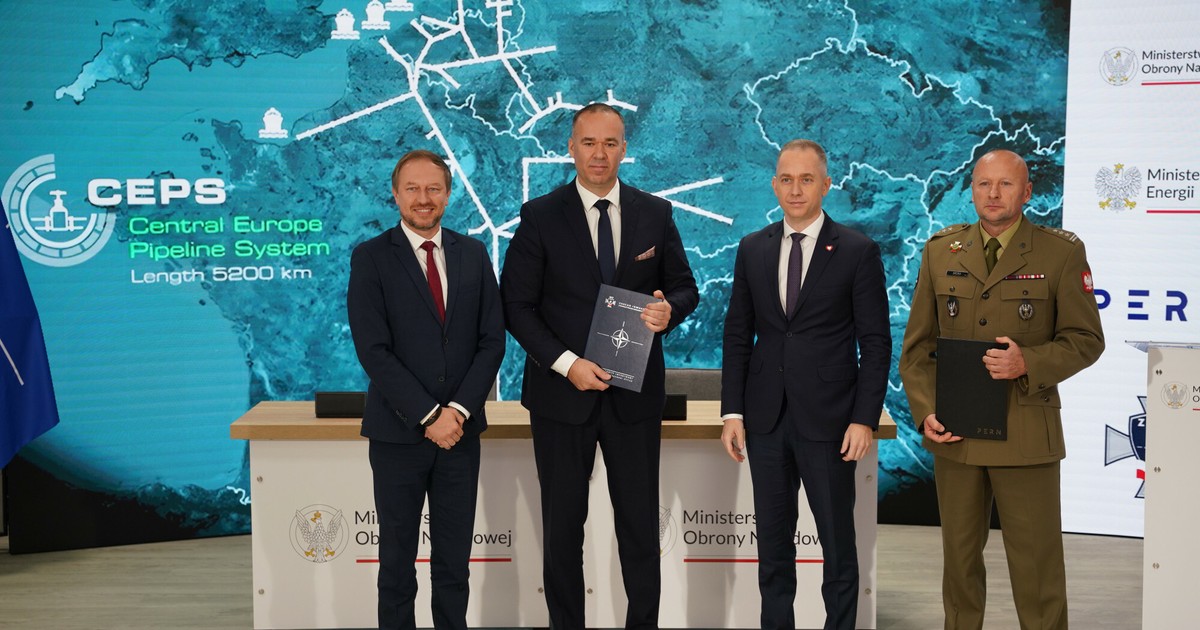
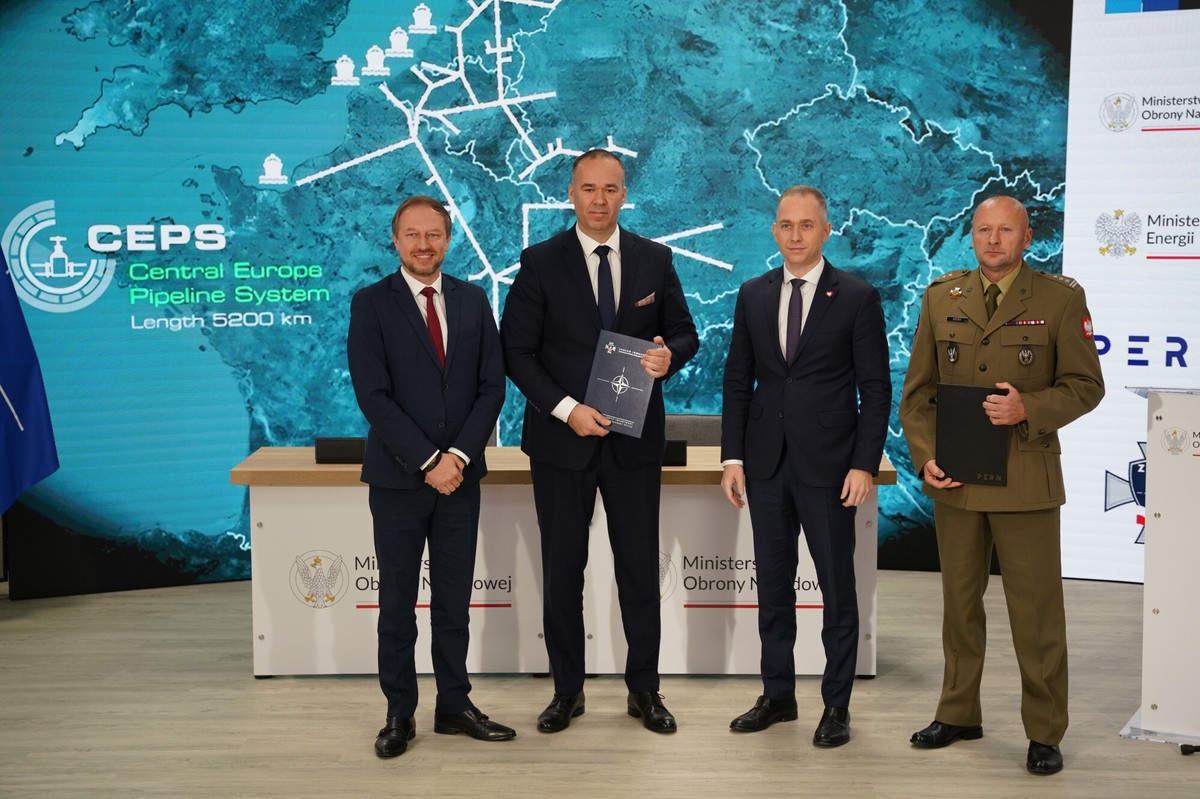
– We are aware that this is a great day for Poland, and in fact the beginning of a long road that we start today – emphasized Tomczyk during the ceremony.
Read also: Former President of Georgia: the EU must be ready for hybrid war with Russia
The agreement assumes the integration of the pipeline system supported by PERN with the NATO network, as well as the construction of new fuel warehouses that will be used by both the Polish army and the allied forces. This is a strategic step that is to increase the country's energy and operational security in the face of growing threats on the eastern flank of the alliance.
A step towards greater integration under NATO
The NATO fuel pipeline system (CEPS CEPS) has been operating since the 1950s and covers over 5,000. kilometers of pipelines running through eight European countries. The system not only provides stable fuel supply for allied troops, but also their quick transport in the event of a crisis. Attaching Poland to this network means not only an increase in defense capabilities, but also the possibility of faster response in the case of military operations in the territory of the country and the region.
Read also: The elite thunder defends nicotine sachets. “Out of concern for the safety of soldiers”
Experts point out that In the context of the war in Ukraine and the risk of energy destabilization in Europe, this investment takes on special significance. Until now, Poland has remained outside the NATO pipeline system, based on its own warehouse and suspension infrastructure. Integration with CEPS is to make the country more resistant to crises and capable of performing the role of a key logistics node for allied operations.
PERN SA, a state -owned oil and fuel magazine operator, plays the role of the main technical and executive partner in the project. The company currently manages over 3,000 km of pipelines and 20 warehouse bases throughout the country. Thanks to the agreement with NATO, its infrastructure is to be adapted to allied standards, which will allow integrated operation within the common system.