At a time when the front line seems blocked, and the ability of Ukraine to force the military initiative is limited by the lack of long-beating systems, a major decision to reconfigure the strategic balance in the region: the transfer of cruise missiles Tomahawk to the European allies to be delivered to Ukraine.
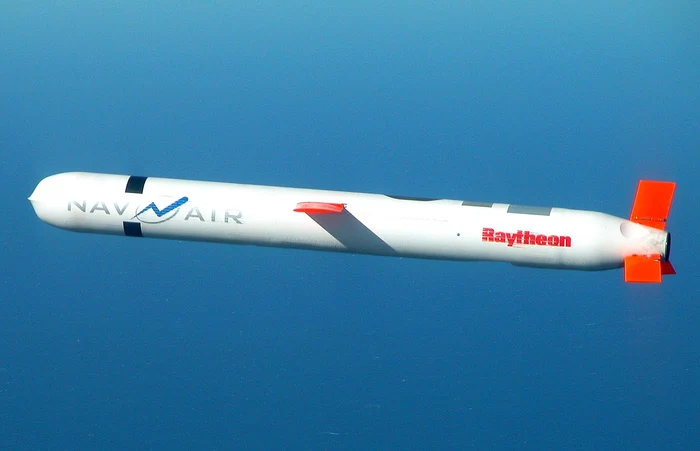
Tomahawk/photo rocket: Archive
According to sources close to the White House, President Donald Trump took this option, and JD Vance Vice President confirmed that the subject is “in evaluation” – a significant change in the detention expressed by previous administrations.
A potential leap in Ukraine's strategic striking ability
Tomahawk-the emblematic rocket of the US Navy, with a range of up to 2,500 km-would give Ukraine the ability to hit deep behind the Russian lines, including strategic targets on the territory of the Russian Federation. It is not a tactical advantage on the ground, but about weakening Moscow's ability to support the logistics war, explains George Barros, an analyst for the Institute for War Study (ISW), in an interview with Kyiv Post.
“Ukraine has a real operational need to hit deep behind the Russian lines – both in the intermediate and deep area“Says Barros. Local developed rockets or long -range drones do not currently offer the ability to transport large useful loads, which significantly limits the effect on Russian military infrastructure.
Instead, Tomahawk can carry strong focus and hit specialized or reinforced targets, in an impossible manner for current Ukrainian systems. “I am not a miraculous solution, but it represents a significant leap in the Ukrainian capacities to undermine Russian logistics,” points out the American analyst.
Strategic implications for Russia
Beyond the direct military impact, the possible delivery of these missiles could have important psychological and political consequences. Colby Badhwar, an analyst within the Tochnyi Research Group, stresses that threatening of blows in the depth of the Russian territory will force Moscow to move warehouses and support infrastructure, affecting the army's rapid reaction capacity.
“Tomahawk provide Ukraine a means of threatening a much broader spectrum of strategic targets than Kamikaze drones, which are limited by the size of the foci“Adds Badhwar. In addition, the mere fact that such an option is discussed in Washington marks a clear break from the position retained from the past.
A decision with echo at the Kremlin
The Kremlin reacted promptly. The spokesman of the Russian Presidency, Dmitri Peskov, said that the armed forces “closely monitor” the information on the possible delivery of Tomahawk, but tried to minimize the impact of the system: “There are no magic weapons. Neither Tomahawk, no other can change the dynamics on the ground,” Peskov said.
However, concerns are obvious. The possibility that Ukraine may gain access to rockets capable of hitting sensitive targets inside Russia is a significant escalation in Moscow's logic.
Why now?
The decision occurs at a critical moment. Moscow has recently intensified air attacks on Ukraine, including a wave of drones and rockets that targeted civil infrastructure last weekend. At the same time, President Trump, previously known for his reluctance to directly involve the US in conflict, suddenly changed his speech: he cataloged Russia as “a paper tiger” and publicly supported the idea that Ukraine can regain all the territories lost after 1991, including Crimea.
The delivery of Tomahawk missiles could thus be a calculated movement to exert military and political pressure on the Kremlin, at a time when negotiations seem frozen, and Russia does not show signs of withdrawal or concessions.
Whether the decision to transfer the Tomahawk rocket will be approved in the current form or just signal as a possibility, it indicates a profound change in the Western approach to the conflict. Ukraine has been demanding increased capacities for months to respond asymmetrically and disrupt Russian supply chains. In the absence of such capabilities, the war risks entering a dangerous impasse, with human costs and increasing materials.
It remains to be seen whether the Trump administration will go to the end and if the European states will take over the initiative. But, of course, the mere possibility of this decision forces all parties – including the Kremlin – to regain its expectations.