Germans pound their heads against the wall. Lack of prospects for both entrepreneurs and employees. It has not been so bad for 14 years. “There is still a lack of impulse”
In September, the number of people without a job in Germany increased again by more than expected. Years of economic weakness have reflected their mark on the labor market. Data published by the Federal Labor Office showed that unemployment (corrected by seasonal effects) increased by 14 thousand. up to 2.98 million, the highest in 14 years.
“The labor market is still missing the impulse necessary for stronger revival,” commented the head of the Labor Office, Andrea Nahles.
Local newspaper headlines are dominated by information about the reduction of employment by domestic leaders. At the beginning of this week, Lufthansa announced that Until 2030, they will liquidate 4,000 administrative positions. This message appeared only a few days after the engineering giant Robert Bosch announced that by 2030 he would release an additional 13 thousand. people, although in November last year He has already announced a dismissal of 5550 employees.
The Volkswagen car manufacturer and the second largest German lender, Commerzbank, announced significant employment reductions at the beginning of this year. Such trends affect the further links in the supply chain: in the first half of 2025. The number of insolvency throughout the country increased by over 12 percent. compared to the previous year. Last week Kiekert, a car subcontractor, who was a pioneer in the field of central castles, declared bankruptcy, exposing another 700 German jobs at risk.
Continued article under video material
Friedrich Merz promised more
The largest European economy was in the recession two years in a row, a This year, it will achieve a minimum increase, according to the Think Tanks reporting report to the government. Many people are afraid that the country can miss the phrase, which Friedrich Merz promised when he ran an election campaign at the beginning of this year. Companies are becoming more and more skeptical about whether the government will carry out the necessary reforms.
Only in August (uncorrected) the number of unemployed in Germany for the first time in a decade exceeded 3 million. In September, as usual at this time of year, it fell below this level. The seasonally corrected unemployment rate remained stable at 6.3 percent. workforce.
While analysts say that unemployment can still grow, they argue that changing demographic data and persistent skill deficiencies They should prevent massive growth similar to that from the beginning of 2000.which caused radical reforms of the labor market under the then chancellor Gerhard Schroeder.
Employment data were not the only disturbing data from Germany, which was made for September 30. It turns out that retail sales in August fell by 0.5 percent, which suggests that Consumers are becoming more and more cautious in spending money.
On the other hand, the last declines of global energy prices leave more in consumers' pockets, and the analyst Claus Vistesen from the Pantheon Macroeconomics group indicated that the planned cuttings of energy related to energy from January will improve their situation.
Entrepreneurs in Germany are afraid for their future
The results of the study published in September 24 also indicate that There was an unexpected decrease in the mood of German entrepreneurswhich intensifies the fears of German business that the government of chancellor Friedrich Merz will not make the promise of economic recovery.
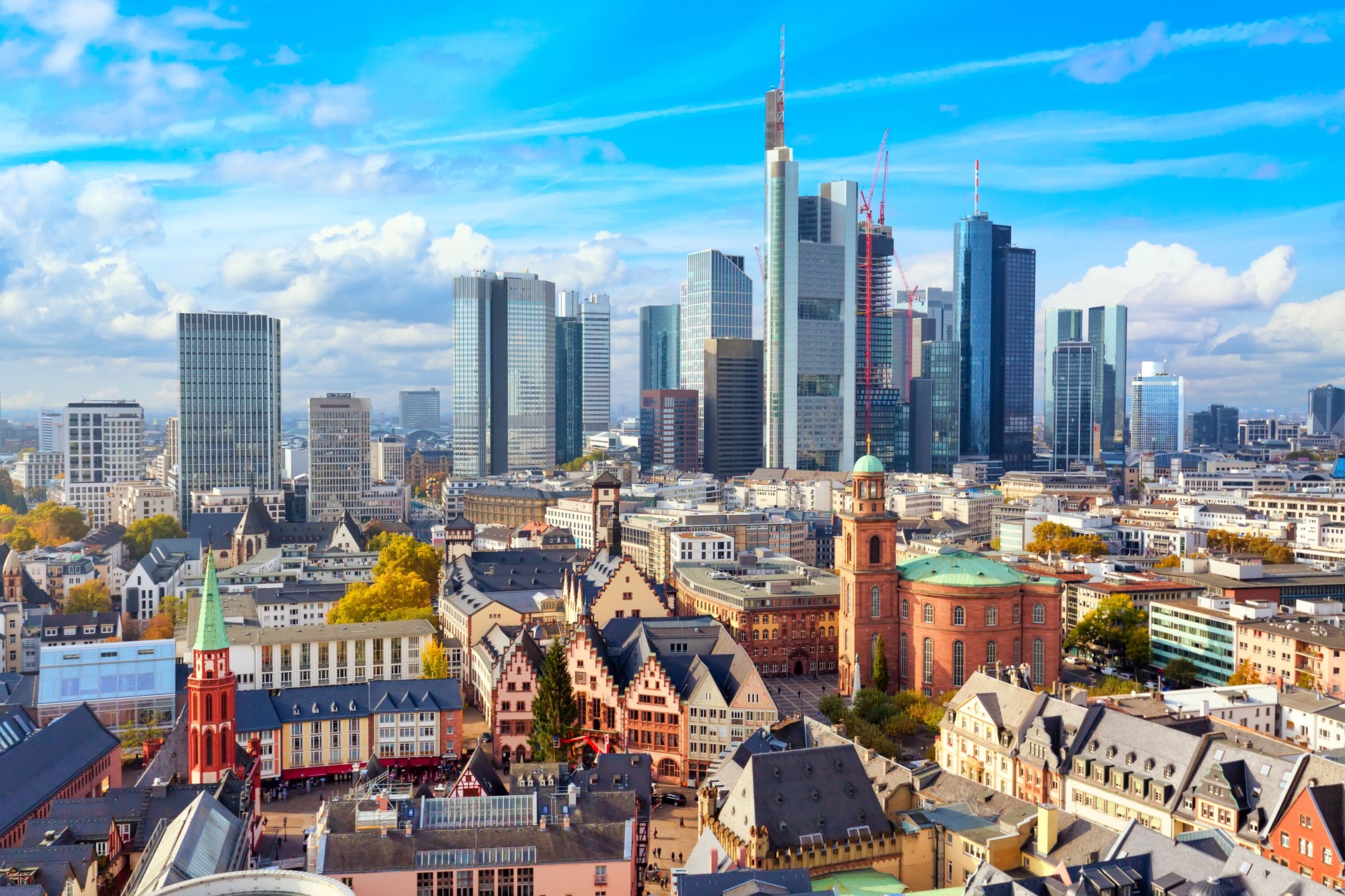
Centrum Frankfurt am Main, financial capital of Germany. Illustrative photoNick on / Shutterstock
The IFO Research Institute said that the economic climate index dropped to 87.7 of 88.9 in August – although Analysts expected a slight increase in the index in connection with the expectations of the introduction of huge fiscal stimuli.
A representative study commissioned by the German newspaper “Bild” showed that not only enterprises are more and more pessimistic As for the country's economic prospects.
Trust in the ability of Christian Democrats and Social Democrats to restore the German economic growth economy still decreases. While in May 43 percent respondents believed that this would happen, By mid -September, this number dropped to just 28 percent.
I’m Ashley Davis as an editor, I’m committed to upholding the highest standards of integrity and accuracy in every piece we publish. My work is driven by curiosity, a passion for truth, and a belief that journalism plays a crucial role in shaping public discourse. I strive to tell stories that not only inform but also inspire action and conversation.