
One of the most picturesque villages in Europe will introduce an entry fee for tourists: “We simply have no space for all these people”


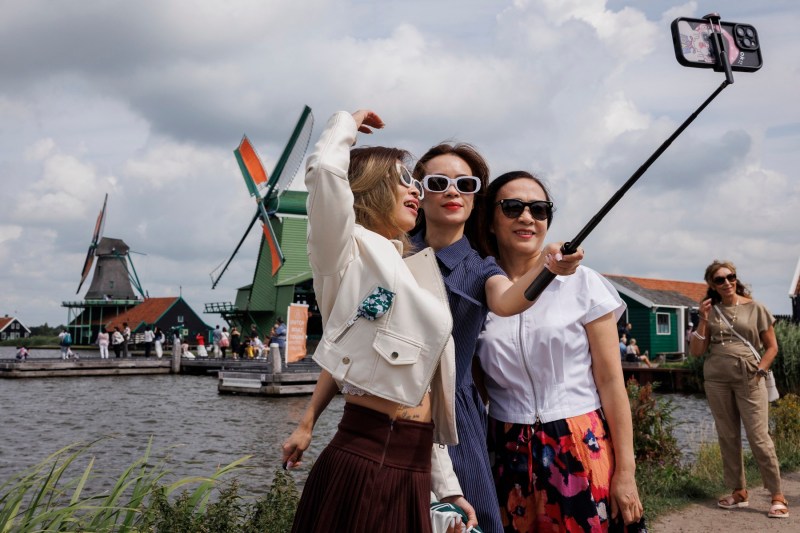
Visitors taking pictures of the famous mills from Zaanse Schans in the background, photo: Simon Wohlfahrt / AFP / Profimedia
The Dutch historical village Zaanse Schans is well known for its windmills, which a lot of tourists want to visit. In fact, they are some of the most picturesque examples in the Netherlands and are easily accessible in Amsterdam, which is why the local authorities have now decided to perceive tourists coming to visit, reports the BBC.
Last year, 2.6 million people visited the village – a huge figure for such a small place, with a resident population of only 100 people.
The Local Council says tourists who come here are too many and announced that, starting next spring, it will charge each visitor from outside the area a fee of 17.50 euros ($ 20.50) to enter the village, trying to control the number of tourists.
“In 2017 we had 1.7 million visitors … This year we head to 2.8 million,” said BBC Marieke Verweij, director of the Zaanse Schans Village Museum. “But this is a small place! We simply have no space for all these people!” She stressed.
Worse, says Verweij, visitors often “I don't know that people live here, so enter their gardens, enter their homes, urinate in gardens, knock on doors, take pictures, use selfie sticks to look in houses.” “So, no intimacy at all” for the locals, “she mourns.
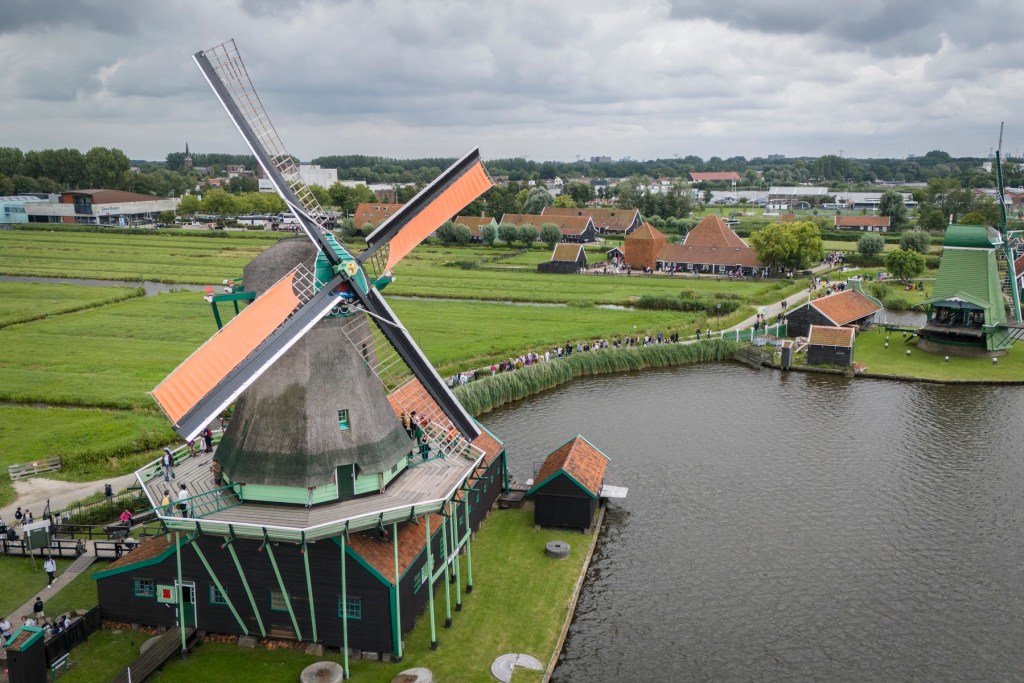
Tourists will receive access to windmills and local museum in exchange for tax
The plan is for everyone to reserve and pay tickets online. However, the Local Council promises visitors that for the 17.50 euros they will receive access to two things for which they should have paid separately – the entrance to the museum and access inside the windmills.
If only half of the current number of visitors will continue to come after the entry tax, the annual revenues for the local community will be around 24.5 million euros.
The Council plans to spend the money on the maintenance of the mills and new infrastructures such as, for example, new toilets. But the owners of shops and restaurants are not delighted by the authorities' initiative.
Zaanse Schans stores are an attraction in itself. Employees wear traditional costumes in the cheese store and do demonstrations to make hats, among others. And the shops are located in old and beautiful wooden houses. For example, the antique and gifts store dates from 1623.
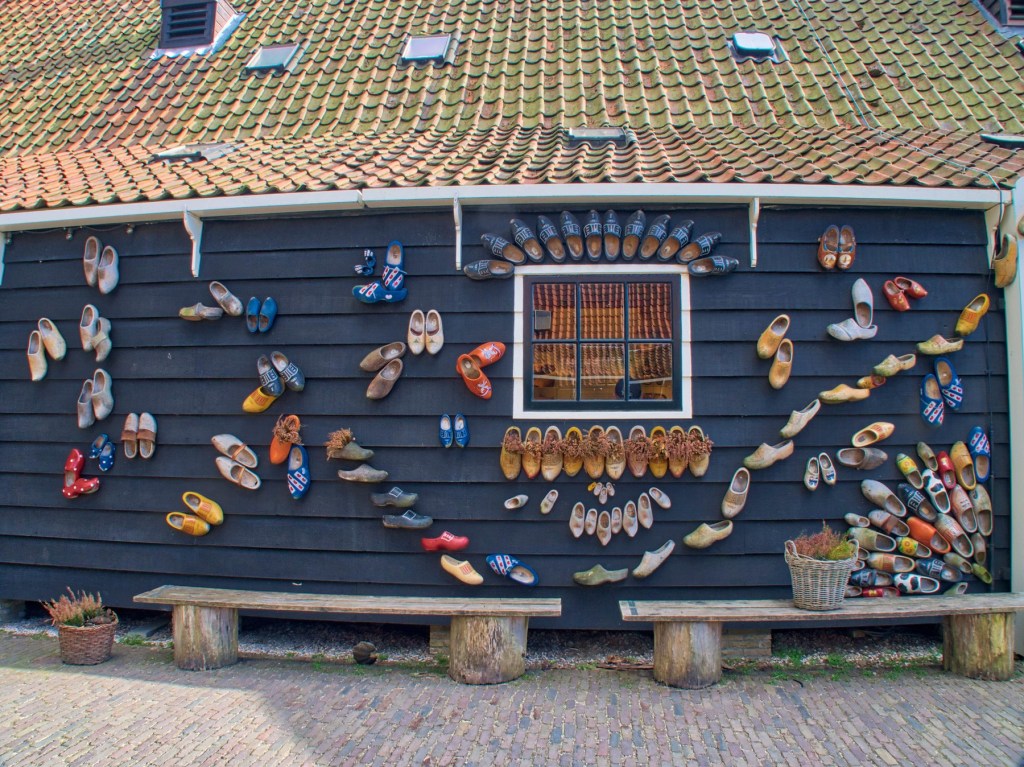
The village traders are dissatisfied with the measure
Sterre Schaap, the administrator of the gift store, accuses that the entrance fee threatens the means of living of traders and restorers in the village.
“It is awful. It will mean that people who do not have a large wallet will not be able to come here,” she told the BBC, emphasizing that the tax “will mean that we will lose many of our customers.”
“If you come with a family of four people and pay for parking, it reaches about 100 €. So people will not have a budget for other things,” she explained.
BBC notes that this measure is also a sign of the times. Rachel Dodds, a tourism teacher at Toronto Metropolitan University in Canada, mentions some comparable cases:
“Bhutan charges a daily fee for visiting the country. Venice, of course, is probably the most famous, with 5 euros for one day visitors.”
However, the villages that charge entrance fees are still very rare. Other current examples are the private fishing village Clovelly from Devon, England, Civita di BagoGio and Corenno Plutio from Italy and Penglipuran from Bali, Indonesia.


