

Without a firearm, Russian President Vladimir Putin managed to bring the Ukraine war to millions of Europeans who have been almost unaffected by the conflict, and this without any explosion, but with a murmur, writes Nick Paton Walsh, CNN's international security correspondent.
Prime Minister Mette Frederiksen told worried Danes on Thursday evening after Drone caused major disturbances on several airports that Europe should consider “more violent and frequent hybrid attacks. But he did not mention Russia as a direct author – perhaps due to lack of evidence or because the attribution of a wine would serve the purposes of Moscow.
The risks of assigning guilt for sabotages and attacks
The lack of clarity is a symptom of these attacks. The anonymous author cannot be, at least for a while, called or stopped, regardless of damages or inconvenience. And wait and uncertainty is another symptom. Frederiksen also mentioned another reason for the unknown attacker, namely that “they want to stop confident in our authorities,” CNN analysis shows.
The same story takes place throughout Europe. Did Russia really intend to send over 20 drones to Poland? The 12 -minute violation of Estonia's airspace was caused by the poor training of Russian pilots, as General Alexus Grynkewich suggested, the NATO forces commander, or is it an amplification of Moscow's aggression? How can a cyber attack that led to the cancellation of some air races in Europe a few days later to be a simple coincidence?
After three days when the airports were closed and after the observation of a military ship near the Danish coasts, with closed transponents, Danish officials are not clear about the authors of the attacks. Frederiksen admitted the risks of both hasty and late answers. The Danish military espionage said on Thursday that he cannot “name” the perpetrators, while the head of the internal security police, PET, said that “the risk of Russian sabotage in Denmark is high.”
 New drones seen in Denmark this time next to military bases
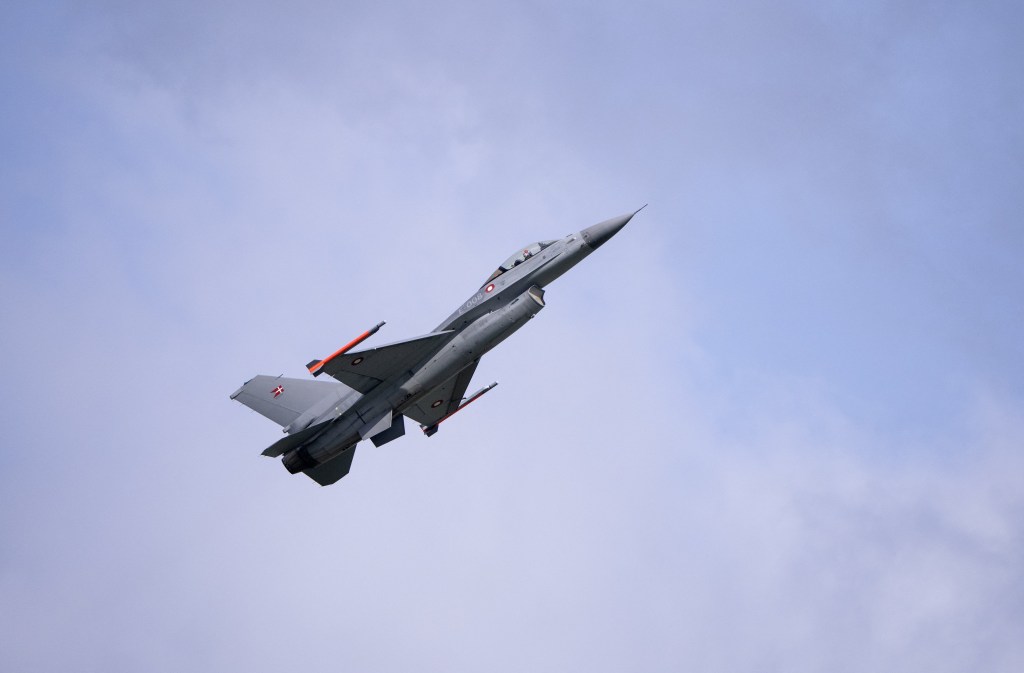
Otherwise, Denmark is transparent in terms of the threat that Putin represents. He donated Ukraine F-16 aircraft, helps her build drones and armed with long-range missiles as part of discouragement efforts.
Western officials are struggling every day with a paradox of the hybrid war – whether to attribute a guilt or not. The designation of the real perpetrator – especially if it is Russia – can it amplify the discord and anxiety they want to reduce? Or does it leave the blind society and unprepared until the moment when strong defensive actions will they become necessary? It is much easier, political and hypothetical, to break a Russian plane after months you have blamed Moscow for closing airports and the chaos created.
Sabotage spectrum is planning on Europe
For months, the spectrum of sabotage has been insinuated in Europe. The United Kingdom, a fervent supporter of the defense of Ukraine, had young criminals recruited by Russia and convicted according to the harsh provisions of the national security law to set on a deposit with provisions for Ukraine. British police arrested a 41 -year -old man last week and a 35 -year -old woman in Essex, by virtue of the provisions of the same law.
Poland has sent to prison Ukrainian young people for arson caused with the help of Russia. The software of the check-in of an airport and a kindergarten were attacked by cyber, more likely by criminal groups than by Moscow agents. Regardless of who is responsible, the spread of chaos and vulnerability allowed Putin to bring the feeling of a conflict in the door of Europe, even when the Trump Administration asks Europe to be more responsible for its prophets.
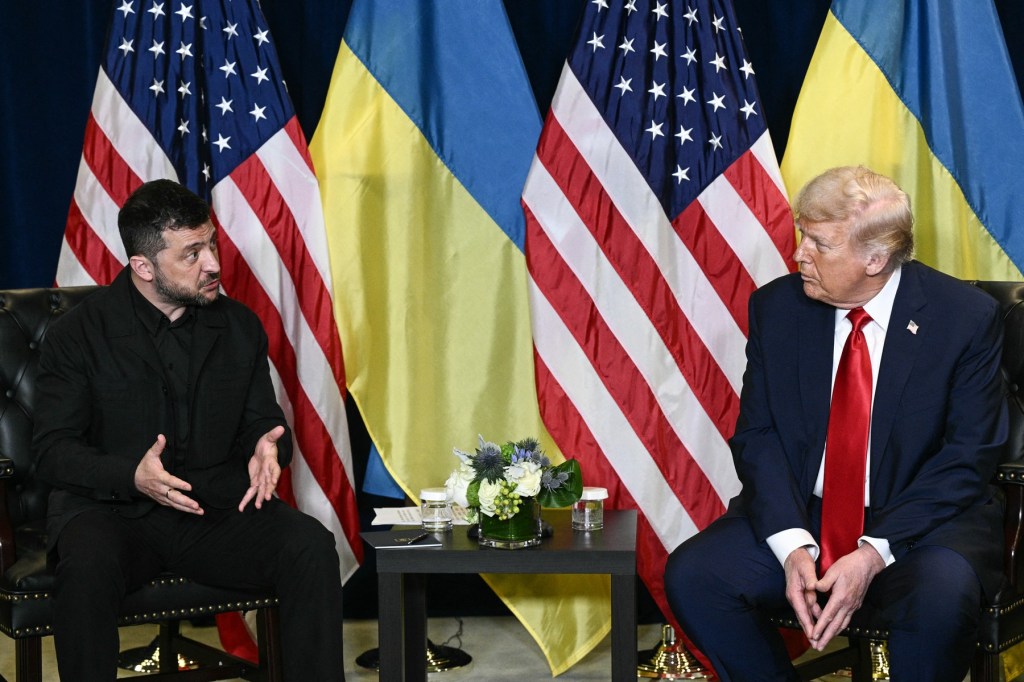 Trump told Zelenski that he is willing to provide new long -range weapons. Follow a major Washington policy change?
The costs of urgent and inevitable support for Ukraine feel more tangible in European homes. It amplifies the arguments of those who want Putin's tanning, what they propose to be given what they want if they stop, as well as those who say that the appetite of the Kremlin for aggression would increase and that a determined response is needed. And the threat risks distracting the attention of European political decision makers from the more important mission of the support of the Ukraine front. It is a miracle, to a point, that Russia's summer offensive has not led to more territory, but the assaults on Ukrainian cities are constant and intensify.
For Europe's defense budgets, the last weeks of hybrid disorders have added two more expensive tasks: a greater resilience to drones and hackers and a constant and expensive air defense against Russian drones and aircraft flying to the eastern border.
The cost of defense against cheap drones does not compare with the extraordinary efficiency of this new threat. A Dutch F-35 can shoot with a rocket to break a shahed polystyrene drone flying in Poland. But this is unsustainable over a long time and puts you in the strange situation of choosing between not intercepting intruders because it is too expensive or spending millions every month for a robust defense of its air space.
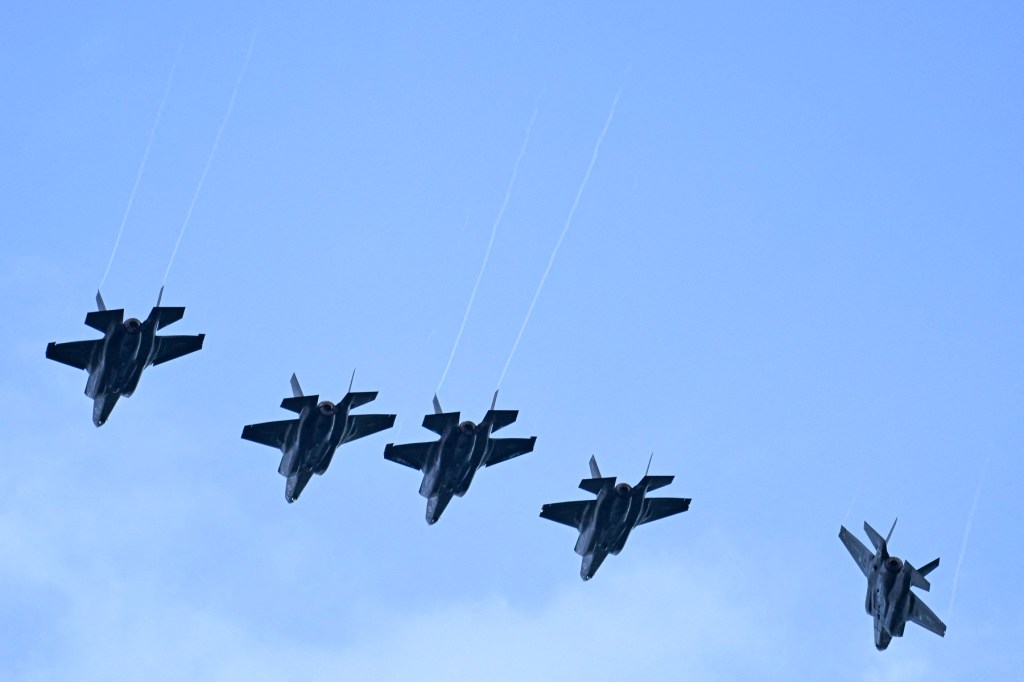 Zelenski says Russia has attacked Poland with 92 drones
What risks they take a little
The situation is not pink at the Kremlin either. There is a appreciable risk that outsourced sabotages will exceed the limits and kill civilians in a NATO country, writes CNN journalist.
There is a risk that Russia will be accused of things that he has not done and to provide coverage to broaden the activity by organized crime. There is a risk that the unpredictable nature of US President Donald Trump will cause a disproportionate reaction to any escalation. Or could refuse to react. Large conflicts start from a lack of extensive predictability.
And this is not in favor of Putin. It is not a partisan of steep risks. He invaded Ukraine only after he was told that it would take a few weeks to defeat her. He seems to have climbed against Kiev and Europe in recent weeks only after having a very friendly meeting with the President of China, Xi Jinping.
But for now, hybrid attacks, intentionally or not, impose costs to Europeans to support Ukraine's governments.
The disadvantages of delays in airports, the increase in gas prices and cyber attacks are comparable to those felt by ordinary citizens in Russia, a country that has launched an unprotected invasion, killing the innocent Ukrainians.
But in the last month, Europe has gained concerns for which there is no clear culprit or cheap resolution. Distracting short -term attention is certainly a win for Putin, in the fourth year of war of existential importance for him.


