Chronic kidney disease: the simple test, under 1 euro, which can save the kidneys of Romanians and prevent dialysis

Chronic kidney disease (BCR in Romanian or CKD in English) not only can lead to dialysis or transplant, but accelerate biological aging and increase the risk of heart attack, stroke and premature death. The presence of this disease involves a probability of mortality two to seven times higher, and the situation is aggravated with the ages. Great challenge: often, BCR does not manifest itself until the disease is already advanced.
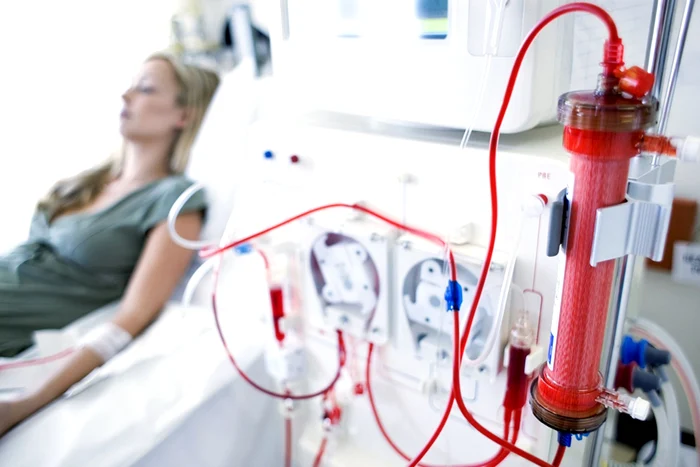
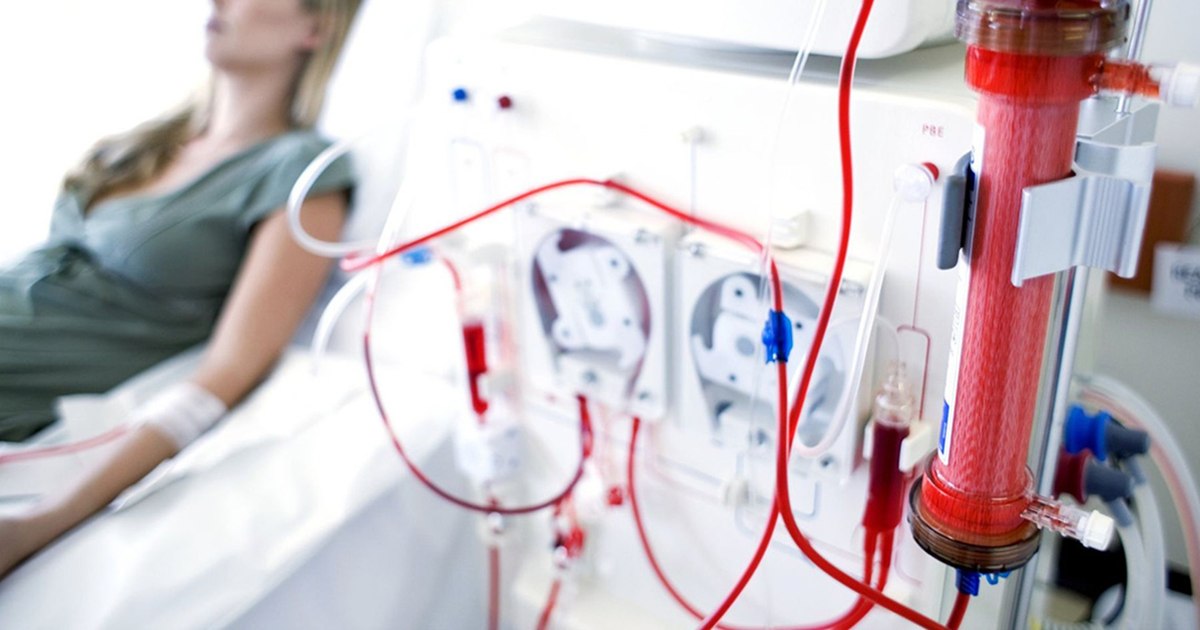
Dialysis, the expensive treatment that the simple test can postpone the photo university of saskatchewan
Globally, over 850 million people suffer from BCR, and the lack of early diagnosis can have dramatic consequences, including in Romania. “BCR is the cause of death with the fastest growth, in Spain and globally, and risks becoming the second cause of death by the end of the century if we do not change the way we act. 80% of people with renal function are not diagnosed. This is a major public health problem,” Warns Dr. Alberto Ortiz, the head of the Nephrology and Hypertension Section of the Founded University Hospital of Madrid.
In this article you will find out how BCR can be detected earlier, what simple and cheap methods can save the kidneys, and what impact the prevention on health and public budget including in Romania. The incidence of BCR has increased by 29% in recent years, and early detection is essential.
Chronic kidney disease in Romania: most patients, undiagnosed
In Romania, the chronic kidney disease already affects over 1.3 million adults, according to the Predatorr study by the Romanian Neprology Society. The data show a prevalence of about 7% among the population between 20 and 79, with higher incidence after the age of 60.
The essential problem is that most patients do not know that they are sick. In the area of Moldova, for example, almost 13% of the population has BCR, but over 90% of those affected are not diagnosed, discovering the disease only in advanced stages.
Experts point out that factors such as diabetes, hypertension, obesity and dyslipidemia are the main responsible for the occurrence of BCR and that their prevalence is higher than previously believed.
Even though free analyzes have been introduced to detect renal disease recently, screening is done rarely, and most patients reach the doctor only when the disease has progressed and requires expensive treatments such as dialysis or transplant.
Early Diagnosis of BCR: How can the kidneys save
A recent study in Spain shows that a simple and cheap screening, achievable in primary medicine, could radically change how chronic kidney disease (BCR) is detected: albuminuria testing – determining the presence of a protein in the urine that should not be there and can signal the disease just before the glomerular filtration is affected.
Albuminuria is associated with reducing Kloth's anti-aging hormone production, an essential kidney function. Early diagnosis and treatment can slow down the aging process and renal damage.
Study “The impact of albuminuria screening in primary medicine for detecting and treating chronic kidney disease: discoveries ondaas study“published in Clinical Kidney Journalshows that the systematic inclusion of the analysis of the albumin/urinary creatinine report (UACR) allows the early detection of BCR, even in stages where the disease can still be controlled.
The traditional method for BCR detection consists of estimating renal function (glomerular filter) based on serum creatinine. As the nephrologist Alberto Ortiz explains: “We must wait for the disease to have destroyed the equivalent of an entire kidney to diagnose. When treatment begins, renal function can no longer be recovered, just slowed.”
Ondaas study: How helps the albuminuria screening when detecting BCR early
One year of dialysis for a patient with advanced BCR costs, on average, between 45,000 and 60,000 euros, according to European estimates. In comparison, an albuminuria test costs under one euro and can help to detect the disease early, delaying the moment when dialysis would be needed.
Here, so which, would be the concrete benefits of such screening:
- Very low cost: Only 30-50 cents per test.
- High Accessibility: The equipment needed to test the albuminuria exist in the Romanian hospitals, and the implementation of a national program could allow the processing of a large volume of daily samples.
- Quick confirmation: Repetition of the three -month test confirms the diagnosis for a total cost of about 1 euros, allowing immediate initiation of treatment.
- Delay of dialysis: Early detection can postpone dialysis even 27 years old, according to authors' estimates, slowing the aging process and reducing the risk of cardiovascular disease.
- Major Economic Impact: By preventing expensive dialysis, the health system can save significant amounts, and patients can maintain their quality.
“Early detection and early treatment not only save the lives of patients, but also reduce the huge expenses of society”mentions Professor Alberto Ortiz, the study coordinator.
Even if the research was carried out in Spain, the situation is also comparable in Romania: over 90% of patients are only detected in advanced stages, and the implementation of such screening could transform BCR prevention into an essential pillar of public health and state budget.
Albuminuria screening: early detection of chronic kidney disease in adults
The Ondaas study, conducted in collaboration with the health authorities in Burgos, included 9,890 adults. The main results:
- About 1 in 5 participants met the criteria for chronic kidney disease (BCR).
- 14% had high levels of albuminuria.
- 13.8% had reduced glomerular filtration.
- Of those with normal glomerular filtration, 903 people had high albuminuria – a high risk group that would otherwise have passed unobserved.
Professor Alberto Ortiz points out that most people with high albuminuria and normal renal function are not diagnosed today: “Albuminuria screening, ie checking the presence of a protein in urine that should not be there, allows BCR diagnosis even when glomerular filtration is still normal”.
Moreover, the analysis allowed the reclassification of 434 patients already diagnosed with BCR in a higher risk group, making them eligible for treatments meant to slow down the progression of the disease-about 22% of those with BCR.
Ortiz warns: “Whoever does not know the values of cardio-renal health may have BCR and not be diagnosed or treated. Early detection is essential to protect the kidneys and long-term health.”
Romania can prevent chronic kidney disease by albuminuria screening
The old age is the main risk factor for BCR, and Romania, as with other European countries, is facing an increasingly aged population. Implementing albuminuria screening in primary medicine can detect BCR early, save lives and reduce medical expenses. With a cost below a euro per test, Romania could become a pioneer in the prevention of chronic kidney disease, protecting the health of the population and reducing the long -term risks.