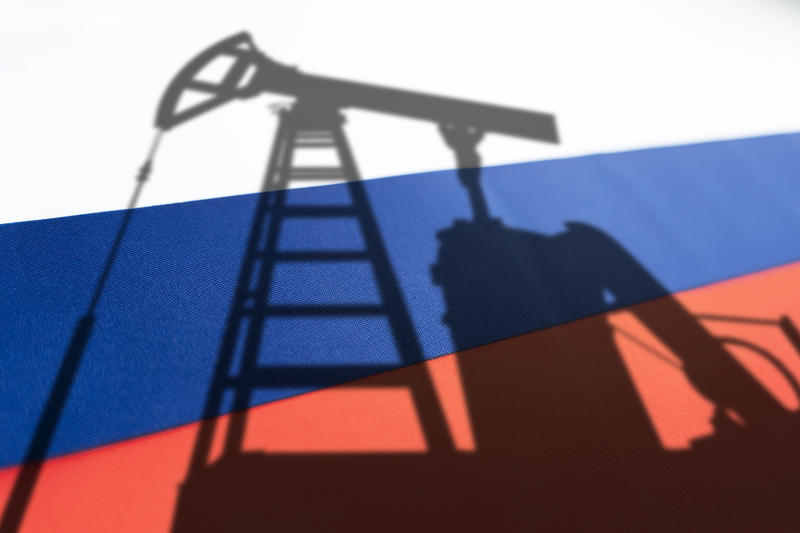
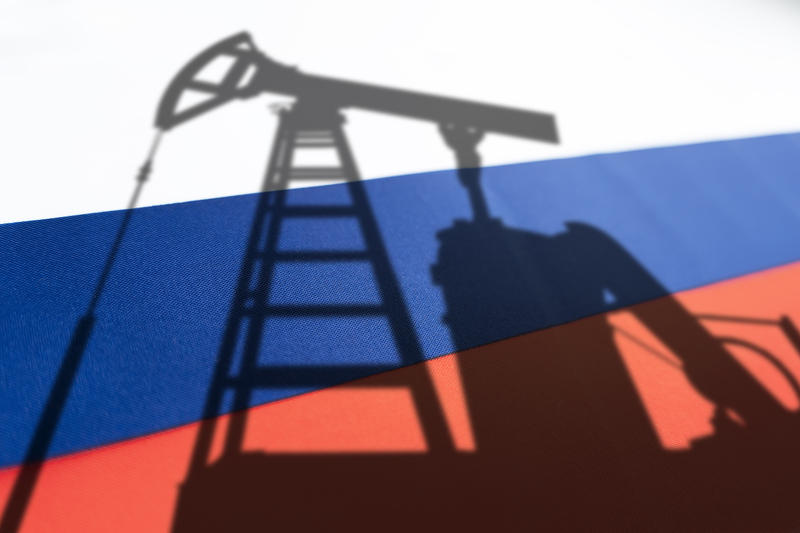
Russia pumps oil on export on less and less money, photo: Dreamstime / Dmitry Melnikov
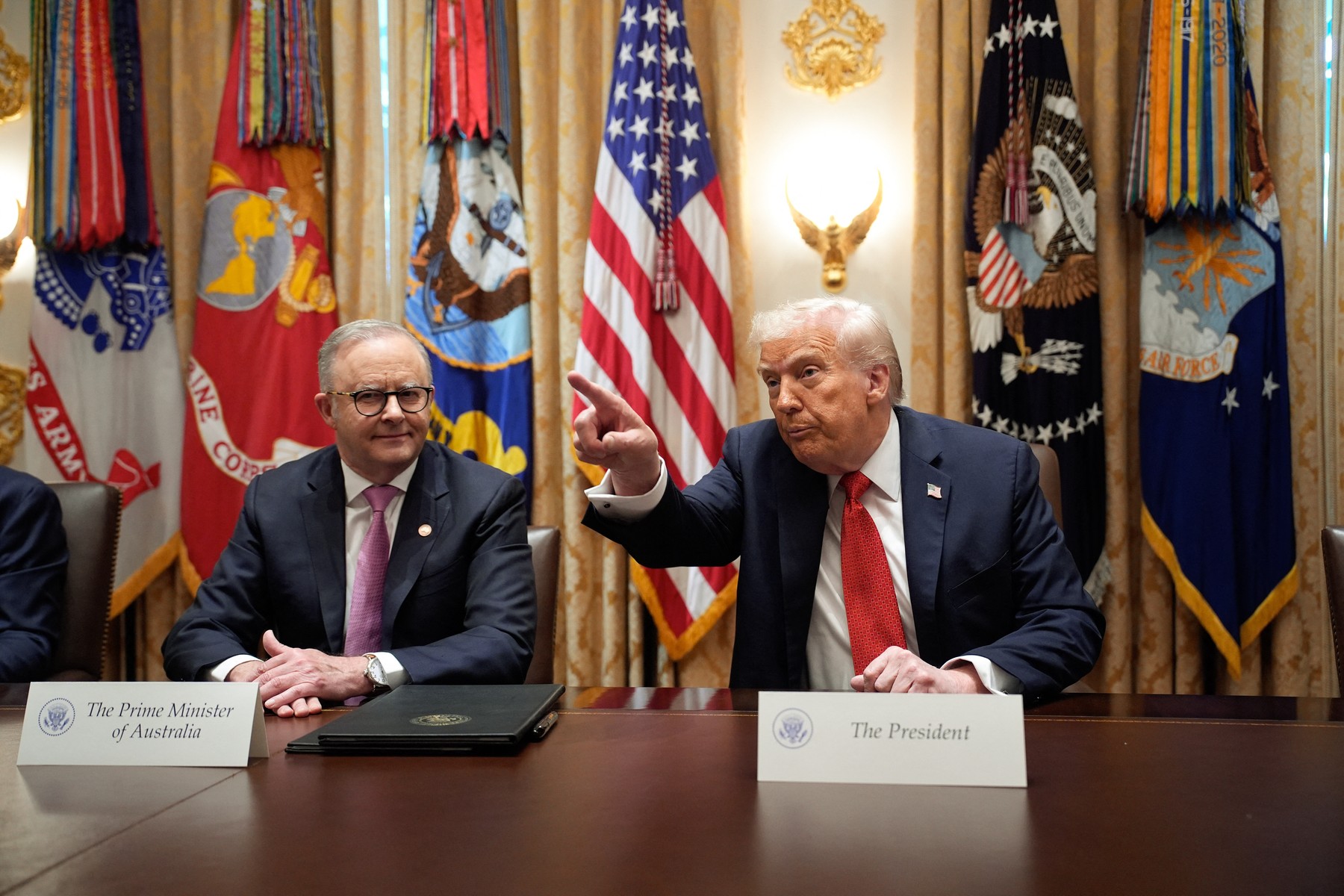
The US President asked NATO partners to cease Russian oil purchases. The US president again referred to this fact in a letter to NATO members, later distributed on Social Truth.
In this, Trump has expressed his willingness to impose “significant sanctions” of Russia, although he conditioned them with all NATO member nations “to agree and start doing the same thing and that all NATO nations stop buying oil from Russia,” writes the Spanish press.
The announcement of the Republican comes a few weeks after his meeting with Russian President Vladimir Putin in Alaska. The failure of Moscow to obtain an armistice in Ukraine worsened the detection of Russian drones in the NATO airspace, increasing the dissatisfaction in Washington and intensifying tensions on the European continent.
The fossil fuel industry continues to play a key role in a Russian economy suffocated by international sanctions. Most of its exports are made up of oil and gas, but, as indicated by the International Energy Agency (AIE), they are currently “at the lowest levels” from the beginning of the invasion in Ukraine, in February 2022. In practice, this has been translated by a decrease in income, which, in turn, contributed to the economic.
Traditionally, Russia was one of the main suppliers of the EU-27. By 2021, Russian gases represented about 35% of EU imports, a declining figure in recent years, favored by countries such as the United States and Norway.
According to the data of the European Council, “Russia's weight in Gas imports through EU pipelines decreased from over 40% in 2021 to about 11% in 2024. For pipes and GNL combined, Russia represented less than 19% of the total gas imports from the EU in 2024”.
At European level, all eyes are focused on Hungary and Slovakia, because these are the last two importers of Russian crude oil, which conflicts with the EU goal to gradually eliminate their addiction to Moscow.
As a report of the Center for the Study of Democracy (CSD) and the Center for Energy Research and Clean Research (creates), both countries would have taken advantage of the EU exemption – because they are out of the sea – to “continue to import Russian oil, which remained above the levels before invasion.” Both countries in Central Europe remained 87% dependent on Russian crude oil in 2024.
In the same way, according to Creat, Belgium, France and the Netherlands also appear on the list of the main European importers of Russian fossil fuels. Belgium ranked second in June – importing entirely liquefied natural gas – followed by France, while the Netherlands ranked fourth.
Globally, China remains the leader, followed by India and Turkey. In June 2025, imports from the Asian giant represented 38% (about 5.4 billion euros) from the monthly export revenues of Russia, being among the first five importers. Donald Trump did not overlook the role of both countries.
In fact, CNBC has already reported that Washington was trying to ask the EU to impose 100% customs tariffs for Asian economies, in order to pressure Moscow to put an end to the war. As EFE emphasizes, the US president has already increased customs tariffs for India to 50% as reprisals.
(Material made with the support of Rador Radio Romania)