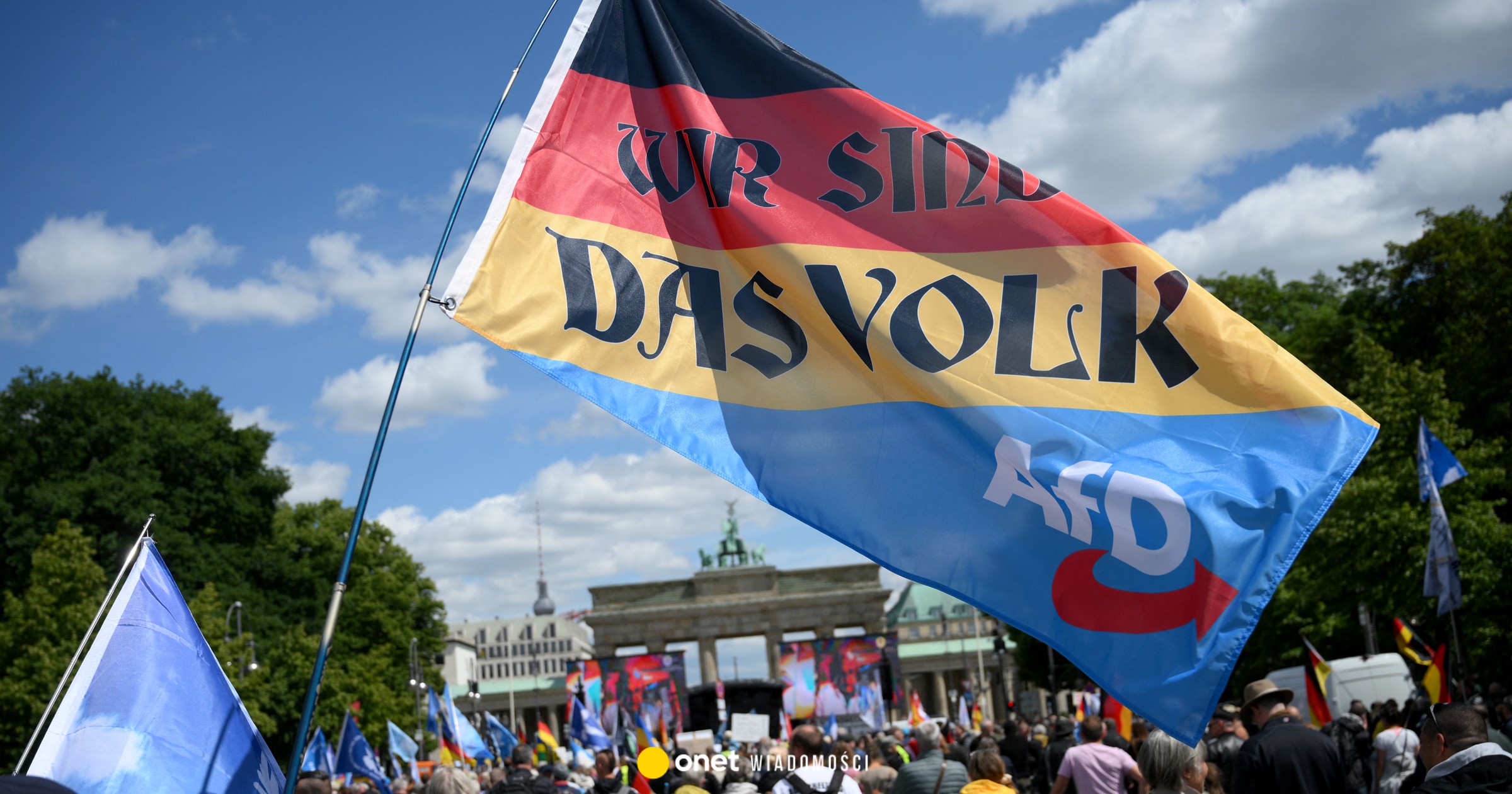
Preliminary election results in North Rhine-Westphalia, a land in the west of Germany, reminds about the growing attractiveness of the far -right party for voters Also, apart from its bastions in the former GDR, where she is already the most powerful political force.
AFD leaders are currently perceiving a more populated western part of the country-including the falling industrial cities of North Rhine-Westphalia, in which there are steel smelters and a weakening coal industry-as the key to expanding the party electorate, Especially in the case of voters from the working class more and more often resorting to the extreme right.
According to the preliminary results of the AFD, it won almost 15 percent. votes in the Land, taking third place. In the last local elections in North Rhine-Westphalia Five years ago, this party won only 5.1 percent. votes. In the city of Gelsenkirchen, the former Heavy Industry Center, the AFD candidate will even face in the second round of elections for the mayor with a centrolevil politician.
Continued article under video material
According to the preliminary results of the CDU of Chancellor Friedrich Merz, they definitely overtook all other parties, winning 33 percent votes. His coalition partners from the Centrolevic SPD-once the dominant political force in the industrial centers of North Rhine-Westphalia- took second place with approx. 22 percent., According to preliminary results.
Elections, although they do not have a direct impact on general German policy, They were widely seen as a mood barometer Almost four months after Merza took office. Some conservative and central politicians in Germany expressed relief that CDU and SPD achieved such good results, because in national polls both parties recorded a decrease, while support for AfD increases.
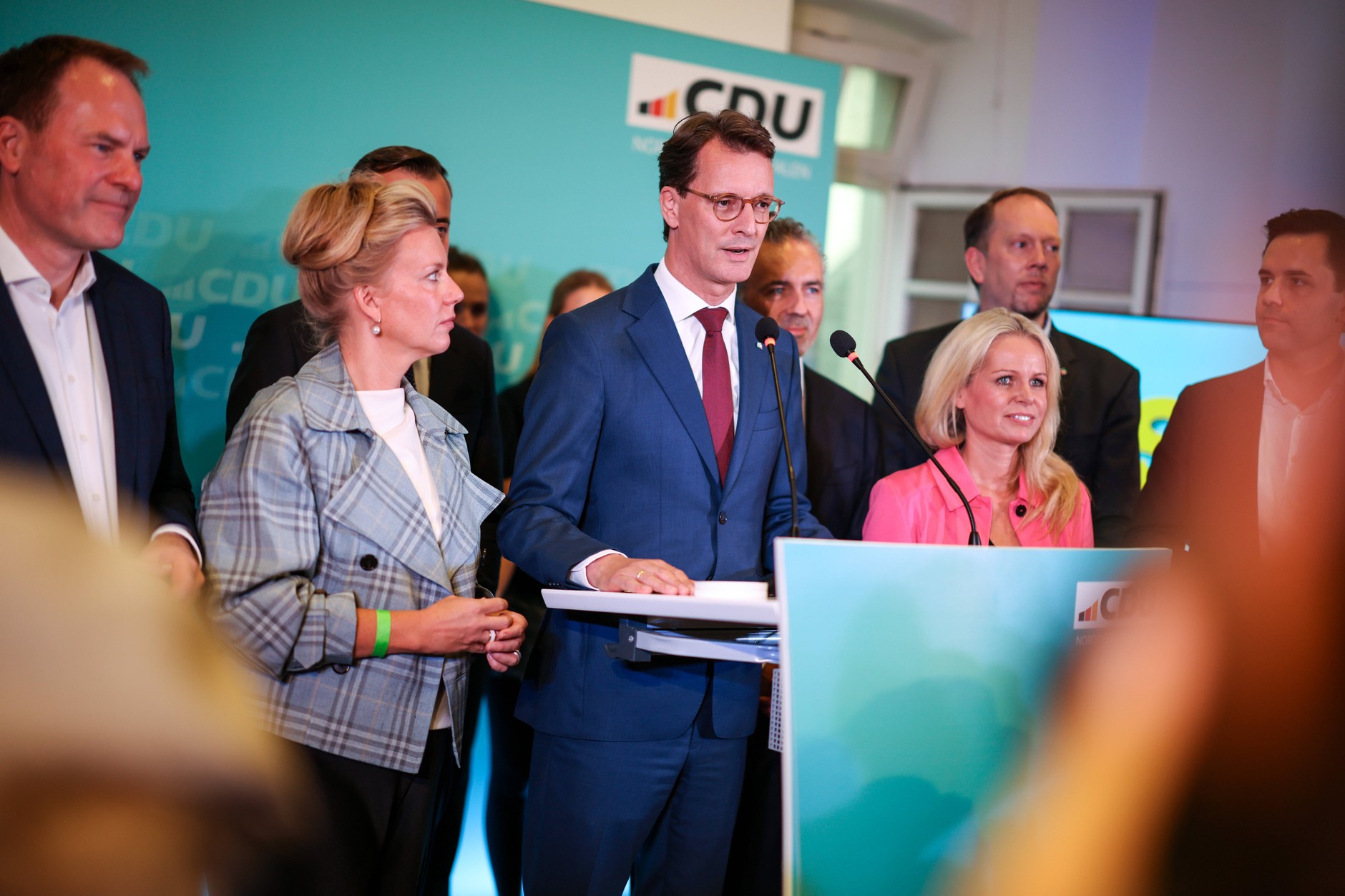
“All Christian Democrats will be delighted with this result,” said Hendrik Wuest, the conservative Prime Minister of North Rhine-Westphalia, in a television interview just after closing the polling stations. Wuest added that A strong AFD result “will not let them sleep peacefully”.
Hendrik Wuest, Prime Minister of North Rhine-Westphalia, during the CDU election rally. Duesseldorf, September 14, 2025Christoph Reichwein / DPA / PAP
Centr's politicians must ask themselves a question “What are the right answers when it comes to poverty and migration”admitted Wuest. – Are all parts of our social care system really fair? What about problems related to housing costs? Some issues were ignored for a very long time – emphasized the influential CDU politician.
“We strengthened our voter base”
In the Bundestag elections in February AfD took second place with 20.6 percent. votes, what was The best federal result for the far -right party in the post -war history of Germany. The AFD's success was largely based on its dominance in former Eastern Germany, where she took first place in virtually all lands.
Since then, AfD has become even more popular, even though it was recognized by the German intelligence agency as an extremist party, which intensified A hot debate on whether this party should be banned in accordance with the provisions of the German constitution.
AFD leaders are now going to increase your support in former Western Germany. The turnout in the Sunday local elections in North Rhine-Westphalia increased to 58 percent, in accordance with the EXIT Poll data, which suggests that the party could mobilize new voters.
After the announcement of preliminary results, AFD politicians had reasons to be happy. “Huge success” – wrote on X Alice Weidel, party leader.
“We strengthened our voter base,” said ENXHI Seli-Zachas, AFD politician in North Rhine-Westphalia, in a television interview. – It is no longer just a voice of frustration.
I’m Ashley Davis as an editor, I’m committed to upholding the highest standards of integrity and accuracy in every piece we publish. My work is driven by curiosity, a passion for truth, and a belief that journalism plays a crucial role in shaping public discourse. I strive to tell stories that not only inform but also inspire action and conversation.