The Stanford University report stands out from other studies due to its exceptional data quality. It is based on monthly payroll records of millions of employees provided by ADP-one of the largest HR and payroll service providers in the USA. This allowed for extremely precise analysis and tracking of changes in almost real time. The study provides much more reliable conclusions than analyzes based on data from surveys.
Generative artificial intelligence develops at a pace, which was difficult to predict. Its impact on the labor market is becoming more and more visible, especially in the case of the youngest employees.
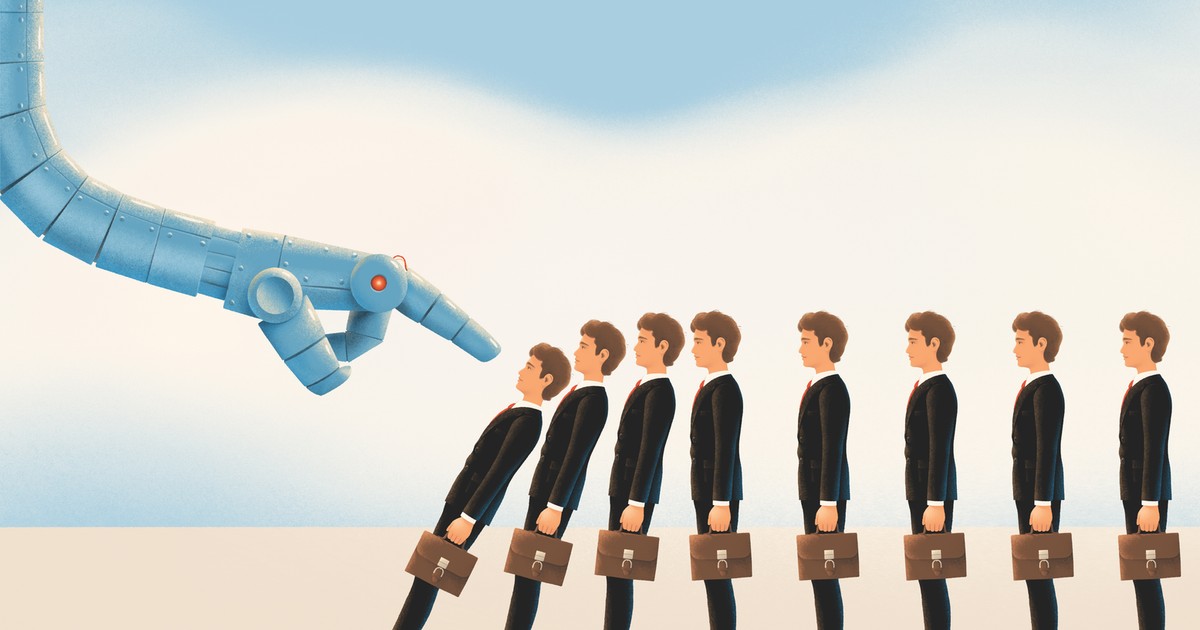
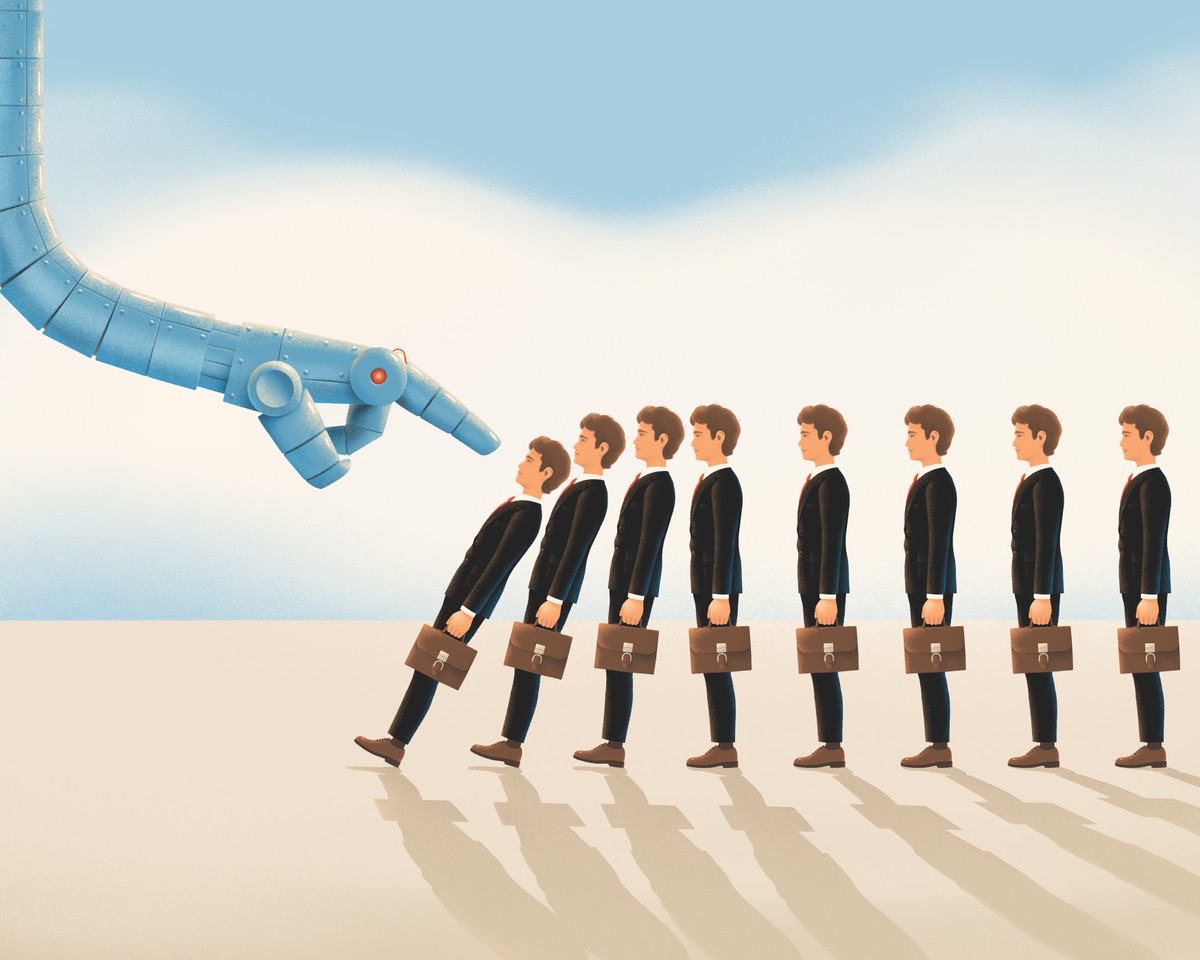
According to the study, From the end of 2022, in the 22-25 age group, employment in the competition most exposed to AI fell by about 13 percent. compared to the professions of the least at risk of automation.
What's more, older employees in the same professions are doing much better – they not only do not lose their jobs, but in some cases employment in these groups is even growing. Why? As the authors of the report explain, younger employees are mainly based on theoretical knowledge, which AI can easily take over. Older, however, have practical experience and intuition, which algorithms still cannot be reproduced.
Stable salaries, but fewer jobs
One of the myths that refutes the report is the belief that the reduction of jobs caused by AI should lead to an increase in salaries for those who remain on the market. Data show that salaries in industries susceptible to the influence of artificial intelligence remain stable – regardless of the age of employees or the level of risk of automation. Companies react primarily to limiting the number of positions, not lowering wages.
For young people, this means a double problem: not only is it more difficult for them to find employment, even when they succeed, they can't count on a rapid increase in salaries. This is a serious challenge that can affect their financial situation for many years.
Where does AI replace people, and wherever he supports?
The authors of the report analyzed in detail the tasks performed by employees and the potential possibilities of their automation. The results show where artificial intelligence actually replaces people -in customer service, simple back-office, entering data or junior roles in IT-and where plays the role of supportas in the work of managers, analysts, in quality control or medical professions.
-AI takes care primarily about simple and repetitive tasks, where the scale counts, as in customer service or back-office. This gives companies a quick cost effect, but the real question is whether they can redesign the way of working, not just cut costs-comments Kamila Kierzek-Mechło, managing director of Buzzcene.
An example of Salesforce, which strongly automated customer service and boasted a reduction in thousands of full -time jobs, shows that AI can give a quick cost effect. In turn, clarna, which first limited employment, and after a few months had to rebuild teams, proves that too aggressive automation is reflected in the quality and flexibility of the company. – Savings come first, and then there is a need to balance quality and human supervision. The future is not “ai versus people”, but “AI with people” – where technology relieves, and man brings creativity, critical thinking and responsibility for decisions – adds the expert.
The future of young employees
Entering the labor market has always been a challenge, but today young people face unprecedented difficulties. Generative AI changes the market structure – Positions, which were a stable career starting point a decade ago, lose their importanceand in their place new roles appear, often in areas difficult to predict.
That is why the importance of competences that cannot be easily automated: creativity, teamwork, flexibility and ability to combine knowledge in various fields. However, even they do not protect against wage stagnation, which further limits the attractiveness of many career paths.
– in practice Young people will be closer to business, customers and tools right away, instead of learning only on simple tasks. That is why I would carefully approach the statements about the “end of juniors”. Rather, the redefinition of their role, which will require the involvement of the entire organization, and not just the IT or HR department-says Kamila Kierzek-Mechło.