The small seeds of chia, in, sesame or fennel – seemingly insignificant – have become true stars in healthy eating, and the reasons are as simple, so strong: they support digestion, metabolism and the whole well -being of the body. But not only the choice of seeds matters. Equally important is the moment when you consume them and how you prepare them, so that the nutrients are truly absorbed and transformed into superfoods.
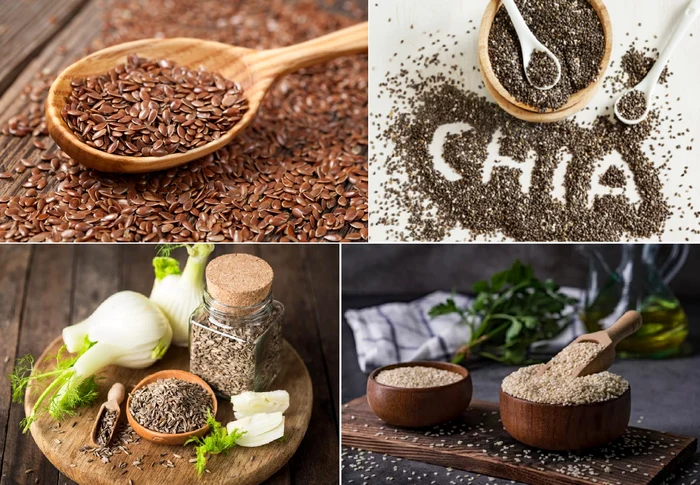
Flax seeds, chia, fennel and sesan turn your digestion if you know when and how to consume them
In the morning, chia seeds or in can be reliable allies for an energetic day and for a balanced digestion, while the sesame, rich in calcium and minerals, finds its meaning for dinner, supporting the regeneration of the body overnight. The fennel, on the other hand, fits in the afternoon, relaxing the digestive tract and removing the discomfort.
Dr. Sarabh Sethi, gastroenterologist at the prestigious Aess in India, explains, by posting on Instagram, as the simple choice of the right time for seed consumption can transform how the body uses nutrients, demonstrating that sometimes, small gestures make big differences.
The ideal moment of the day for the consumption of seeds
“Chia seeds are ideal in the morning or before training”says the doctor, “Because their soluble fibers slow down digestion and maintain stable blood sugar.”
As for flax seeds, they should be consumed all morning, ground, to reduce intestinal inflammation. In addition, you get rid of bloating and constipation quickly.
The surprise comes to dinner: the sesame, rich in calcium, helps the health of the bones and combats the oxidative stress, exactly when the body enters the process of nocturnal regeneration.
And the fennel, unlucky from many culinary traditions, fits wonderfully after each meal. The active substance in it, anestol, relaxes the muscles of the digestive tract and drives away bloating and gases.
But the question remains: how much does the moment of consumption of these seeds matter in reality? Can such simple habits make the long -term difference in intestine health? To understand better, here's what another expert says.
Seed softening: How to stimulate digestion and increase nutrient absorption
Dr. Adithya V. Naragund, senior consultant in gastrointestinal surgery and HPB at Cytecare Hospatals, Bengaluru, explains for Indianexpress.com How softened seeds can improve digestion: “Seeds, such as chia or basil, become softer on the outside and activate enzymes that make nutrients easier to absorb. At the same time, the process reduces compounds that can prevent absorption and allow them to swell, forming a gentle gel with the stomach.”
For example, chia seeds absorb almost 12 times their weight when soaked in water and release mucilage. It supports digestion, increases the feeling of satiety and helps reduce excessive calorie consumption, explains the surgeon.
In addition, seeds are a rich source of B vitamins and minerals and are naturally gluten -free, which makes them safe for people with celiac disease.
Dr. Naragund adds that a consumption in the morning of the softened seeds is particularly beneficial, because the body is in a state of fasting, and the intestine is more receptive to hydration and fiber. This combination supports regular intestinal movements, increases satiety and offers constant release throughout the day.
How does the moment of seed consumption influence digestion and satiety
Dr. Naragund also explains why the moment we consume the seeds matter: because each type has unique properties.
Flax seeds are rich in soluble fiber and omega-3 fatty acids, which support the metabolism and regularity of the intestinal transit if consumed in the morning.
Susan seeds, high in calories and minerals such as calcium and magnesium, support the body's recovery processes during the night, being suitable for dinner.
Fennel seeds help digestion and reduce bloating, which is why they are often consumed after meals.
“seeds As chia helps in addition to regulating appetite through their mucilage content, offering satiety and preventing over -feeding when consumed in the morning. Although the body may benefit from seed At any time, aligning consumption with the natural rhythm of digestion increases their effect and minimizes discomfort ”adds Dr. Naragund.
Recommended daily portions of seeds for healthy and balanced digestion
A safe daily amount for most seeds is about one to two tablespoons. This portion is sufficient to provide fiber, healthy fats and micronutrients, without overloading the digestive system. Excessive consumption can cause bloating, gas or constipation due to the high fiber content.
“Too high intake can also interfere with mineral absorption in some people or contribute to an unwanted caloric surplus. Even if chia seeds are gluten -free and rich in vitamins and minerals, excessive consumption can cause digestive discomfort due to the high fiber and mucilage content. Moderation is the key for the intestine to benefit from them without adverse effects ”concludes Dr. Naragund.
Conclusion: seeds, allies of digestion and intestinal health
The seeds of chia, in, sesame and fennel are not only small, but extremely powerful through the benefits they bring to digestion, satiety and general health. Choosing the type of seeds, the moment of consumption, the appropriate quantity and the way of preparation – for example, their softening – they can make the difference between a regular digestion and an optimal one.
Regular consumption, respecting the portions recommended by one to two tablespoons a day, supports the intestinal transit, maintains the level of energy and contributes to the effective absorption of vitamins and minerals. In the morning, flaxseed flax seeds offer an energetic start and balanced digestion, while sesame and fennel can be strategically integrated in the afternoon or dinner, to support the body's restoration and reduce bloating.
By simple but correct habits, seeds become strong intestinal health. Their integration in a balanced diet not only optimizes digestion and satiety, but also contributes to general long-term well-being.
So, for a healthy digestion and constant energy throughout the day, choose the right seeds, consume them at the ideal time and do not forget about the correct portions-the small gestures make the difference for the health of your intestine.