Create in the village, a premiere in a county in Oltenia. “We have the largest number of civilian marriages in the last 7-8 years. It has been an explosion”


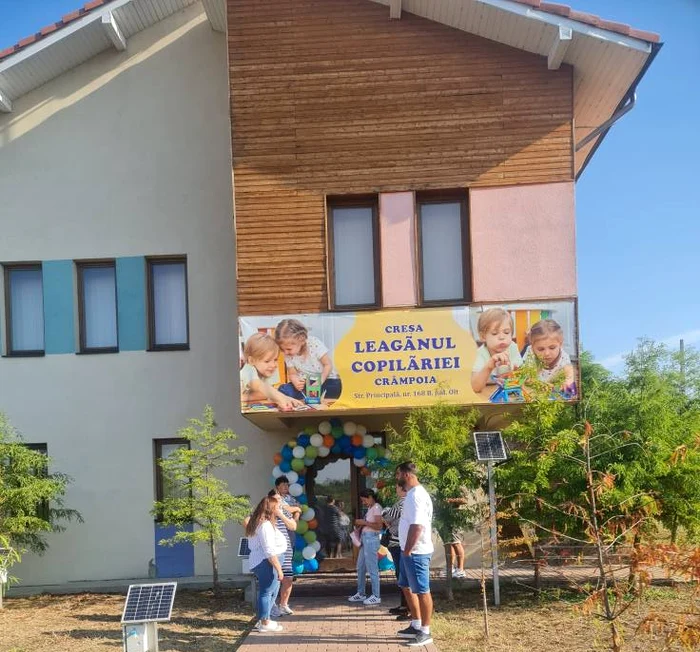
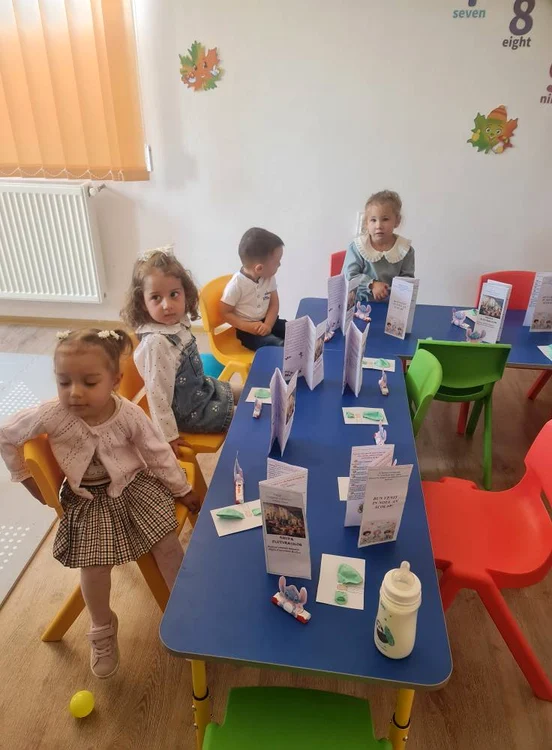
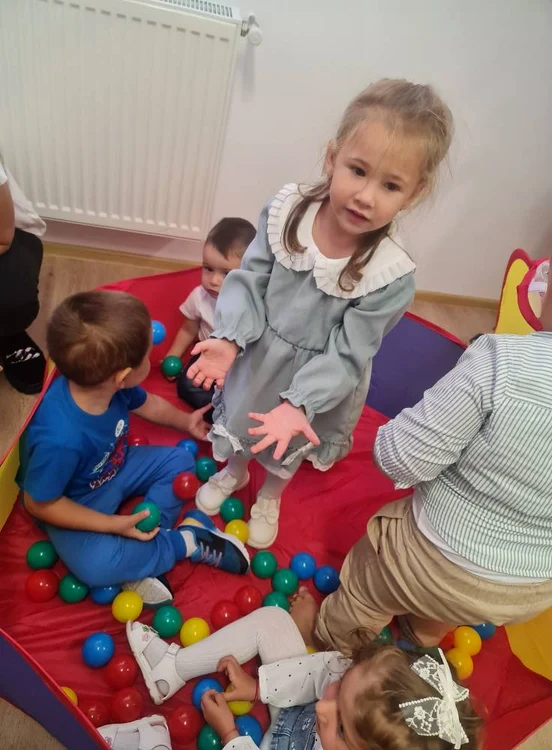
The first functional nursery in the village, in Olt county, opened its gates. It has only one group, with 12 children, but it is expected that the number of those who wish to grow. In the commune there is no lack of an after-school, for which there is a project instead.
The nurse
In the time when most rural localities record negative increase, young people taking in the last decades either the road of cities or abroad, in Crâmpoia the first nursery in the village in Olt county has opened. The nursery premises were built in the county, in rural localities, a few years ago, they were also equipped, but they never opened their doors.
Crâmpoia Creșa, a state nursery, for which parents will not pay money for the instructional-educational process (as is the case with private kindergartens), has only one group, being employed, through the Olt County School Inspectorate, an educator and a caretaker.
“The idea exists 6-7 years ago. About 3-4 years ago the effective construction began. The investment is on funds, by AFIR, with a contribution of 2% of the UAT. It has been accredited and authorized by the Ministry of Education following the report to the completion of the construction and the teaching report to the Technological High School, for the Educational Act. The school inspectorate were made two employment, an educator and a caretaker, both of which have 12 children.said the mayor of Crâmpoia commune, Ionel Mirea, for “Adevărul”.
The nurse
The children with whom the nursery begins the operation are all from the town of Crâmpoia, but they have already been interested, shortly after the unit was opened, and parents from the neighboring localities.
“Only on Friday before the opening of the school year did I receive the authorization from the Ministry of Education and so, without too much announcement, we already have 12 children. I am very glad that last year, but especially this year, we have the largest number of civil, and religious marriages – although for religious ones it is not the record – for the last seven to eight years. About 2018 were rarer civilian marriages, but now, so it was an explosion. We had a weekly, even two or three ”added the mayor.
Among the children already registered are babies under a year, parents expressing their desire to return to work. The mayor says he does not know if he can open the second group during the school year, but if this possibility exists, and the requests impose it, he will.
About 300 employees at the commune level
The specificity of Crâmpoia commune, a locality that at the last census had 3,345 inhabitants (decreasing by about 300 compared to 2011) is slightly different from other localities. Here there are several factories with profitable activity, confession companies in particular, but not only, along with small business of young people, so that local workforce has been absorbed, and young people have not migrated to the city, as with so many rural localities.
“This is an advantage of our commune, that we are, so to speak, a green, young commune, and with fewer people out, having a job and a salary.”explains Mayor Ionel Mirea.
From Crâmpoia to Slatina, the municipality of county residence, there are almost 40 kilometers, and to Drăgănești-Olt, a small city, devoid of industry, are 30 km, so the opportunity to work near the house has been used by the locals. If during the time they work, they know their children safely, the mirage of the urban is almost no longer.
The nurse
In Crâmpoia there is even high school, which, however, due to the weak results at the baccalaureate for several years in a row, can only make registrations for the vocational school. Things are dynamic, so it is hoped that one day they can return and give the children the chance to graduate 12 classes in the village, if they want it will be offered again. The most conscientious graduates of the Gymnasium School in the locality, and there are not few, usually leave for the theoretical high schools in Slatina and follow their dreams. At Crâmpoia there are now those who want to learn a job, teenagers both from the locality and from the neighboring localities.
“We are missing an after-school, it is the next project we work on”
“I started from the fact that many are employed in the locality, some of them are employees of the manufacturers and they want many moms to return to two years to work. Not to mention the fact that they want to have after-school. And we are working now on this. It is the only level that is missing the educational infrastructure. People come to work in the morning, leave their child at school, the child does and, the parent has finished the program, takes it by hand and go together at home ”, the mayor said how he would like to work. The nursery would be near the school, where there is a former communal bathroom, which will either be rehabilitated, if the specialists believe that this can be done, or will be torn down and will be built from scratch, as happened in the case of the nursery (built on the site of the former bakery). At this time it is not clear from what funds this project could be made, but the mayor is waiting for the following financing lines from European funds, because it would be far the best solution.
Three rural localities in Olt should have already had nurseries with over 10 years of operation. They were the first ones in which, in 2012, buildings were built and equipped with the purpose of nursery. However, the investments of this type were not based on the well-founded needs of the locals, but were made in a time when the projects for the development of the localities received a high score if they had a social component. So, in order to have modern roads and other infrastructure elements, the town halls also proposed nurseries or centers for the elderly. They had the chance to offer young parents education and care services for the children of ante-pre-preschool communes Bobicești, Slătioara and Teslui. The nurseries never worked, and after five years the buildings could be changed.