2025-09-07 18:38, act 2015-09-07 20:41
publication
2025-09-07 18:38
update
2025-09-07 20:41
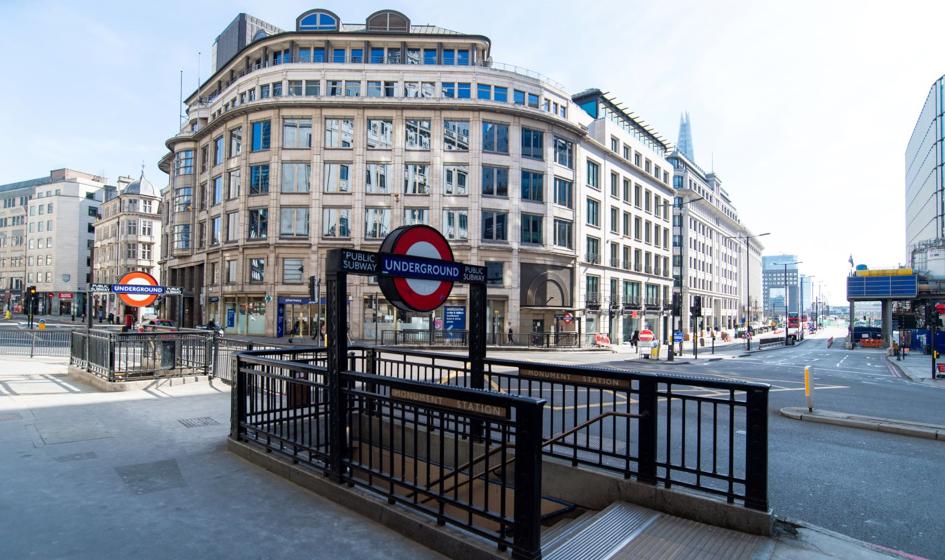
Over 10,000 On Sunday, employees of the London metro began a strike in connection with failure to meet the postulates regarding wage and working conditions. Serious difficulties in public transport in the 12 million capital of Great Britain are to last until the Friday morning.
Members of the Rail, Maritime and Transport (RMT) trade union demand wage increases and a 32-hour work week. Employer Transport for London (TFL) proposed a 3.4 % wage increase, but did not agree to shorten the 35-hour work day, considering that it is “neither practical nor profitable”.
On Sunday, the metro operation will be limited from 18 local time (7pm of Polish time), and from Monday to Thursday he will suspend all courses. During this period, travelers can use the other London railway lines: Elizabeth, London Overground and National Rail. The biggest difficulties are expected on Tuesday and Thursday, when the Docklands Light Railway (DLR) trains are suspended because of the strike due to a strike that is a consequence of another dispute.
Train and station employees will strike on Monday and Wednesday, and traffic on duty and traffic controllers on Tuesday and Thursday. Therefore, the metro movement will be suspended until the morning on Friday.
The strike does not apply to bus drivers, these are to run according to the plan, although it is expected that the closing of the subway will strain the lines. Some central railway stations that connect to metro stations will be closed.
The strike of metro employees will affect communication with six London airports. The Piccadilly line will be closed on the largest of them Heathrow, but you will still be able to get and leave the airport with the Elizabeth line or the Railway of Heathrow Express. The National Express bus carrier also serves connections with this airport.
The easiest way to reach the Gatwick airport, as well as leaving it is to use the Gatwick Express train or one of the direct Thameslink trains. These trains are not covered by a metro strike, so they will run unchanged. Travelers who will come to the Stansted airport or have a plane from this port should use Stansted Express. Great difficulties are waiting for people who will have to get to the London City airport or leave it, during the strike they will have to choose a bus or taxi.
The strike will not affect the train courses to the Luton airport, i.e. Luton Airport Express and Luton Dart. You will still be able to reach the Southend airport from Stratford and Liverpool Street.
From Friday, the strike of First Bus bus drivers in the western part of London, which will lead to difficulties on some routes.
According to the British Ministry of Transport, in the period from March 2023 to March 2024, the London Metro transported an average of 3.23 million passengers a day, which accounted for a total of 1.18 billion.
The last metro strike, which caused the entire London network to be closed, took place in March 2023.
The history of the London subway dates back to 1863, when the world's first underground passenger line in the world was opened in the world, connecting Paddington and Farringdon stations and having six intermediate stations. Since then, the metro network, called by Londoners “tube”, has grown to 272 stations and 11 lines, with a total length of over 400 km.
From London Marta Zabłocka (PAP)
mzb/ punishment/