
The head of Russian propagandists announced, in Soloviov's show, that she was diagnosed with “a serious and terrible disease”

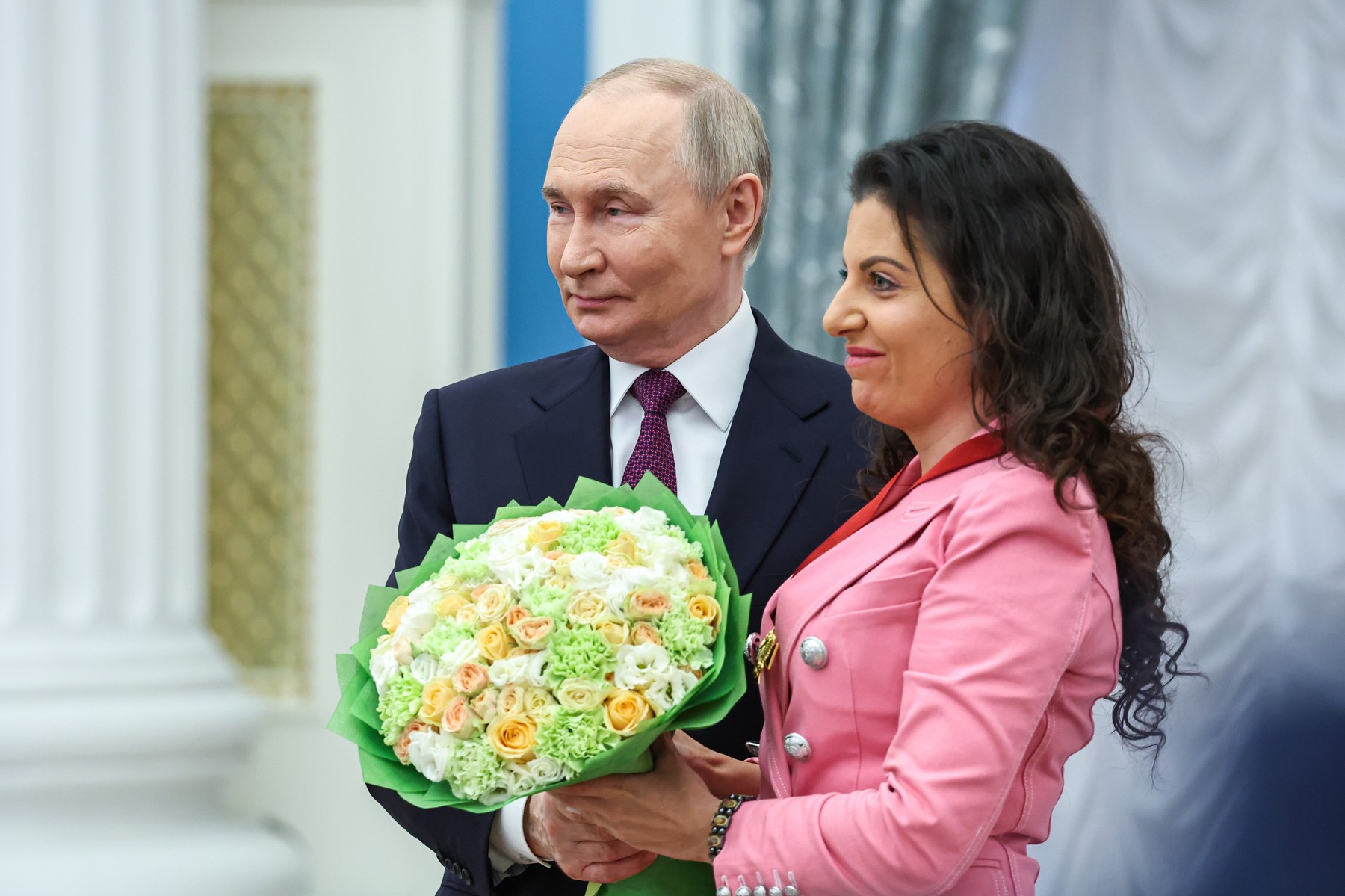
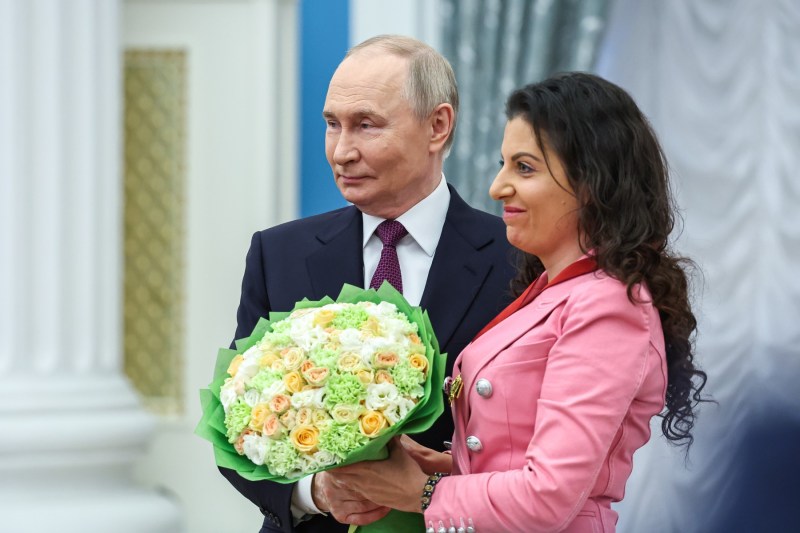
Russia's president, Vladimir Putin (left), and Margarita Simonian, chosen editor of TV-Novosti, after being distinguished with the order “for merits to the homeland”, during a ceremony at Kremlin, Moscow, May 22. 2025: Alexander Kazakov / Zuma Press / Profimedia
The Russian journalist Margarita Simonian, considered one of the main voices that spread the propaganda of the Kremlin, announced that she was recently diagnosed with a “serious illness” and that she is to undergo surgery, writes The Kyiv Independent.
Simonian, 45 years old, is a Russian RT (Russia Today) and Media Rossiya Segodnya group.
“This week I was diagnosed with a serious and terrible illness,” September 7, September 7, said at Vladimir Soloviov, another pro-Kremlin journalist, broadcast on the Rossiya-1 channel.
Simonian did not give additional details about the nature of his illness, adding that he decided to talk about it to “prevent the spread of rumors.”
According to a source close to the Russian media industry, quoted by The Moscow Times, Simonian has been diagnosed with cancer and faces several serious health problems.
The source added that there are discussions about the continuation of its activity at the RT, and the possibility of leaving the Simonian Margarita from the position of CEO of the Canal.
During Soloviov's show on Sunday, Simonian also recalled that her husband, Tigran Keosayan, has been in a coma for nine months.
Keosayan, a 59 -year -old Russian film director, and he was close to the Kremlin, was admitted to the hospital in December 2024. He is in a coma, and his condition did not improve.
Simonian is one of the most prominent figures of the Russian state propaganda and has been included in the list of sanctions by the EU, the United Kingdom, the US and Ukraine for its role.
Since the beginning of the Russian invasion of Ukraine and so far, she has constantly expressed her support for the aggression of Moscow, denounced the 2022 anti-war protests in Russia and spread false statements about the conflict to discredit Ukraine, notes the publication from Kiev cited.


