According to sources, the package may also include sanctions against Russian payment systems and credit cards, cryptocurrency exchanges, as well as additional restrictions on oil trade.
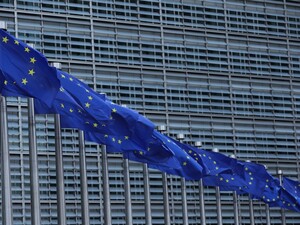
The EU hopes to coordinate some of its last measures with the United States, sources said. This week, the delegation of officials of the EU will go to Washington to meet with American colleagues and discuss the potential of joint actions.
According to sources, the last EU restriction package implies tightening sanctions against “shadow vessels”, oil stakers in third countries and may introduce a ban on reinsurance of tankers included in the sanctions lists.
The EU also considers the possibility of tightening sanctions against large Russian oil companies, canceling the current exceptions that some use – for example, Rosneft. He also considers the possibility of introducing more than more goods and chemicals used by the Russian military industry, as well as trade restrictions for foreign companies, including in China, which supply these goods.
In addition, the EU is considering the possibility of the first application of its “tool to combat the bypassing of sanctions” against Kazakhstan, sources said. This means that the country will be forbidden to import a certain set of equipment, which, according to the trade block, is still redirected to Russia in large volumes, where it is used to produce weapons. The agency’s interlocutors warned that the use of this tool requires extensive evidence and, like any EU sanctions, needs the support of member states.
Other measures under consideration include visa restrictions, restrictions on ports serving the shadow vessels falling under sanctions, and sanctions against services such as artificial intelligence that are military importance were added by sources.
The proposed EU package of sanctions may change as it is discussed with the capitals of the Blok in the coming days and weeks.
EU ambassadors were informed about the proposed package on the weekend, and it is expected that it will be officially presented in the coming days.
Context
Sanctions against Russia were introduced in response to its attack on Ukraine back in 2014. After a full -scale invasion of Russian troops on February 24, 2022, restrictions were significantly expanded.
In total, the European Union has already introduced 18 sanctions packages, the last of which EU Council approved July 18 2025.