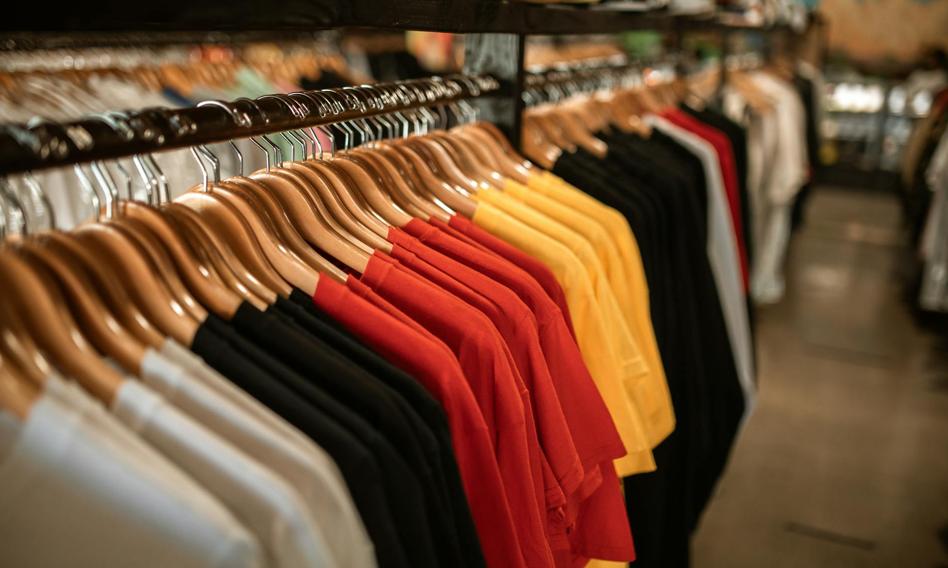
Since the beginning of the year, a significant increase in the amount of textile waste donated to PSZOKs. In some municipalities near Warsaw, it is even three or four times – indicates the Municipal Industry Chamber as a result of new regulations. Still, finding a selective collection point and a trip to it with a sack of damaged textiles can be a challenge for part of society. Therefore, the Ministry of the Environment announces regulations to increase the availability of such points.
The report from the European Environment Agency (EEA) shows that the global production of textile fibers has almost doubled within two decades. In 2000 it was 58 million t -in 2020 – already 109 million t. In 2019, a total of 5.2 million tons of clothing and shoe waste were generated in this way.
From the data cited by the Ministry of Culture and National Heritage before January this year. It resulted that 78 percent Socialty textile waste was not collected selectively. The vast majority went to the landfills. From January 1 this year. New regulations have entered into force in Poland introducing the obligation to selectively collect textile waste for municipalities. This means that they cannot be thrown into mixed waste, but should go to selective municipal waste collection points (PSZOK).
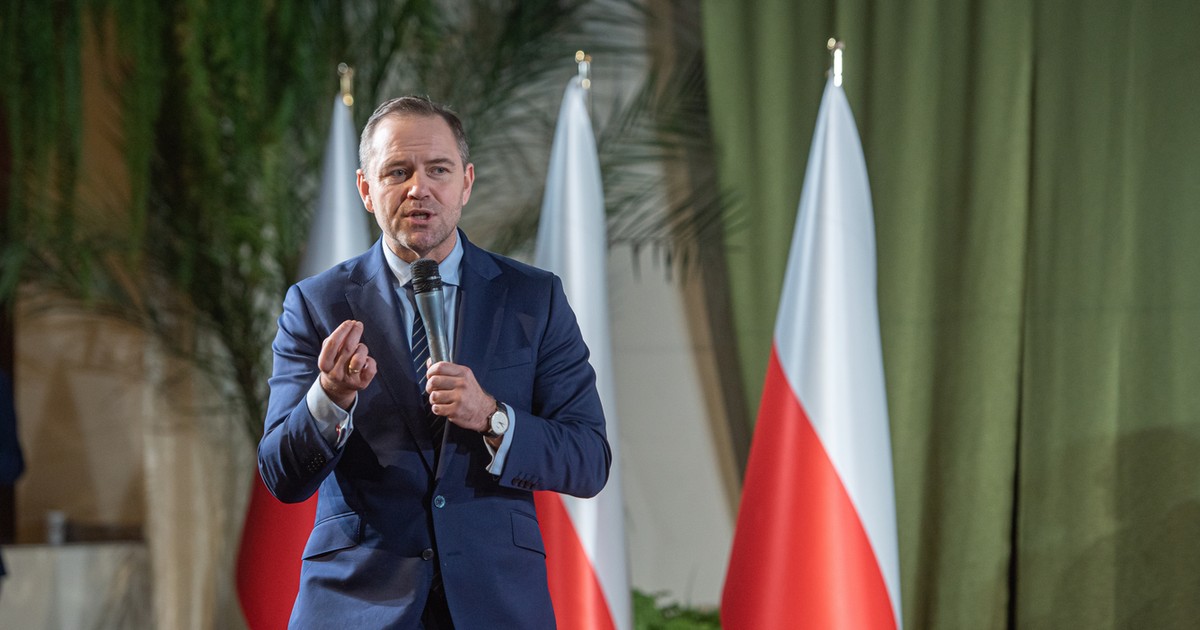
– We are observing a rapid increase in the amount of textile waste in PSZOKs in municipalities – says Newseria Karol Wójcik, chairman of the Program Council in the Municipal Industry Chamber. – Looking at several municipalities near Warsaw, if the municipality collected from 1.5 to 2 to such waste a year in previous years, today it will be 7-8 t, i.e. three- or four times more than last year.
The selective collection of textile and clothing waste includes, among others, used clothing, footwear, bedding, curtains, towels, tablecloths, blankets, curtains, underwear, socks, gloves, hats, scarves, wallets, bags, stripes, leather haberdashery, backpacks, plush toys and rugs. Article 17 of the Waste Act presents a hierarchy of waste management. The most important thing is to prevent their formation, then prepare them for reuse, recycling, other recovery processes, and the last in terms of priority is disposal.
– Residents probably forgot about other methods of good waste. Remember that the first primary rule is to prevent their creation. One of the ways to do this is to transfer them to reuse – explains the chairman of the Program Council in the Municipal Industry Chamber. – Of course, it cannot be waste that is not suitable for re -use. Textiles are very often suitable for using them again, and the collection points worked very well. There were situations in which we got rid of things that are useless.
At the end of July this year. The Polish Red Cross issued a statement in which he informed that he was forced to limit activities related to the collection of used clothing for containers with the Polish Red Cross. The Wtórpol company as an operator terminated cooperation because of changes in the law that entered into force on January 1 and influenced the way of classifying and managing textiles. In the company's opinion, they led to the deterioration of the quality of clothing collected to containers and a significant increase in the costs of its utilization.
– Finding PSZOK is the challenge for us, residents. Very many residents often do not know where in their commune such a point is located, so the collection of door-to-door, just as we collect dimensions, seems to be a good undertaking. Then more residents will benefit and avoid the temptation to throw away waste from textiles to mixed, and this is the worst choice – believes Karol Wójcik. – The most important thing is to return this waste separately, do not throw it into mixed waste, because very often we can not recover this waste in installations, use them energetically.
According to the report of voivodship marshals in the implementation of municipal waste management tasks in 2022, the number of functioning PSZOKs was 2127. The most of them operated in the Mazowieckie Voivodeship (237) and Lublin (213), and the least in Podlasie (12). It was calculated that on average for one PSZOK there were 17,000 residents.
The Ministry of the Climate and Environment is working on the amendment to the Act on maintaining cleanliness and order in municipalities, one of which is the implementation of the assumptions set out in the National Waste Management Plan 2028, including by providing better access to PSZOKs. The new regulations are to introduce a requirement of a minimum number of such points per number of residents of the commune, as well as for distance.
In its recommendations, MKIŚ also suggests municipalities to take other initiatives to facilitate the collection of textile waste. In addition to the door-to-to-door collection, these are also additional containers for textiles in urban spaces, mobile collections or recycling innovation.
– Textile recycling market in Poland is just beginning to be born. There are no companies interested in recycling in Poland, it is only a matter of the future. It seems that in connection with the appearance of a large amount of waste from textiles, some potential that entrepreneurs see, and perhaps such a market will appear – believes the expert of the Chamber of Municipal Industry. – Today, most of these waste goes to energy recovery. They are ground to a small fraction and transmitted, for example, to a cement plant in the cement production process. The most important thing is that this waste does not go uncontrolled on wild dumps and mixed waste, and energy recovery is also a good solution, although it should ultimately be recycling.
The Ministry of Climate and Environment emphasizes that recycling of textiles is still encountering some challenges. One of them is the large diversity of materials from which clothes are made, which hinders their processing and recycling. In addition, some recycling processes can generate waste that requires additional processing.