A high risk operation, directly approved by President Donald Trump in 2019, aimed to obtain a strategic advantage during nuclear negotiations with Phenian. The mission ended with the death of unarmed North Korean civilians.
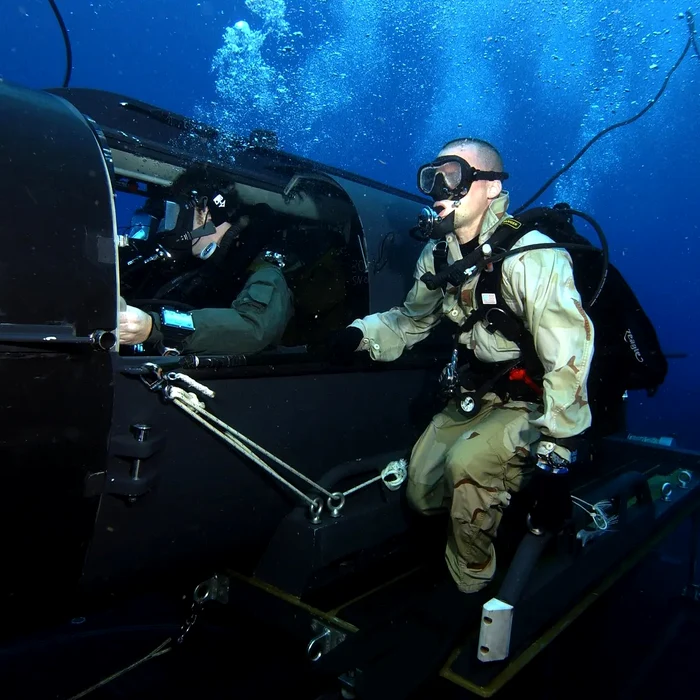
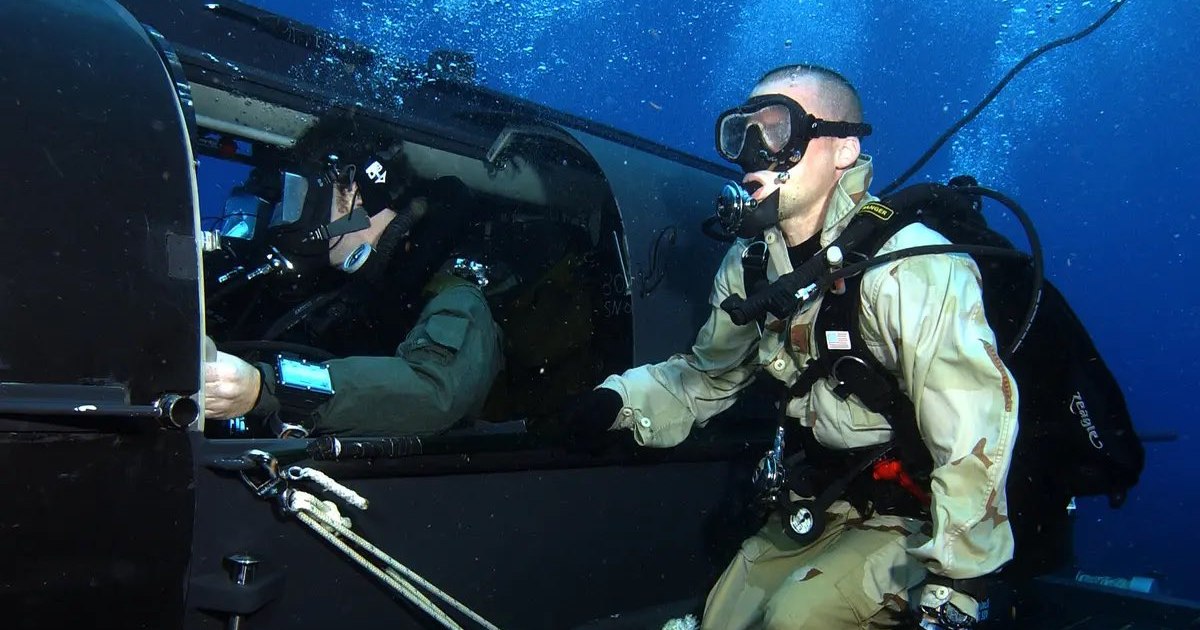
Members Seal Team 6/Photo: X
On a cold night in the first months of 2019, an elite team of American naval forces, Seal Team 6, came out of the dark waters of the sea and stepped on a rocky coast of North Korea. It was the beginning of an extremely sensitive mission, meticulously planned, meant to offer the United States access to the communications of the North Korean leader Kim Jong-un.
Purpose: Installing an electronic device capable of intercepting the exchanges of the Phenian regime, at a time when President Trump was in full diplomatic dialogue with the North Korean leader.
The operation, considered crucial for the American intelligence services, involved infiltrating some troops on the territory of a nuclear armed opponent – a huge risk, which could trigger a major international crisis if it was discovered.
For this mission, Red Squadron was selected, a unit from the SEAL Team 6 known for the raid that eliminated Osama Bin Laden. The military trained on Monday in a row. Armed with hard to detect equipment and dressed in diving suits, they landed on a beach that seemed deserted. But the mission has carried out the plane, writes The New York Times.
A North Korean craft has appeared unexpectedly. His lights scanned the surface of the water. Fearing that they were spotted, the Seal team members opened the fire. All the occupants of the North Korean boat were killed in a few seconds. In the absence of a confirmation that they were not detected, the seal decided to abandon the mission. The interception device has not been installed.
Secrets and risks
The details of the operation have never been publicly recognized by the US or North Korean governments. The information presented in the NYT report was obtained from interviews with over 20 persons – civil servants, members of the Trump administration and current military personnel who spoke under the protection of anonymity, due to the classified character of the mission.
Some of them have decided to speak precisely from the concern that failures in special operations are often hidden, while only successes – like the raid on Bin Laden – are known to the public. They warn that such an incomplete image can lead to underestimation of the real risks assumed by the American forces.
Strategic objective
The launch of the mission took place in the context in which the Trump administration was trying to make decisive progress in nuclear negotiations with North Korea. American intelligence services had warned that, in the absence of human sources or access to communications, understanding the intentions of the North Korean leader remained a strategic “blind point”.
The device designed to intercept Kim Jong-un communications offered a rare opportunity, but it involved a very risky infiltration on the enemy territory.
The plan involved the development of an American nuclear submarine off the North Korean coast. From this were launched two mini-submarines carrying about eight members of the SEAL team. The mission involved swimming in cold water for almost two hours, rapid installation of the device and an undetected withdrawal.
But the operation faced significant limitations. The drone that should have provided air supervision could not be used – the risk of detection being too high. American forces were forced to rely on satellite images, delivered late and without real -time update. In such a scenario, any unexpected change on the ground could endanger the mission.
The mission failed
During the operation, one of the two mini-submarines went wrong the anchor position, causing a hurried and possibly wrong reconfiguration. The team members reached the shore without knowing that there was a small boat with locals in the area – most likely fishermen or shell divers.
In the absence of direct communications and a clear image on the situation, the leader of the shore team made the decision to open the fire. All those in the boat were killed. Subsequently, Seal members fired the bodies in water and, according to sources, would have resorted to a method to prevent them from coming to the surface.
Aware that they were compromised, the military issued an emergency signal. The nuclear submarine has approached a long -time close to the shore to recover. All team members were successfully evacuated.
Immediately after the incident, US intelligence services have observed an intense military activity in the area. However, the Phenian did not make any public statement, and American officials do not know today if the North Korean authorities have managed to understand what happened.
Political consequences
The planned summit between President Trump and Kim Jong-un, held in Vietnam at the end of February 2019, took place according to the calendar, but ended without agreement. In the coming months, North Korea resumed missile tests.
The operation subsequently attracted a series of internal assessments at the army. According to official sources, although the killing of civilians was justified according to the employment rules, the mission was affected by a number of unpredictable factors and minor tactical errors.
The American Congress was not informed about the operation, neither before nor after. Legal analysts state that this omission could be a violation of the law, given the sensitive character and geopolitical risks of the mission.
Balance and worries
Although the mission was abandoned, some of those involved were later promoted. However, the case has resumed concerns about the tendency of elite units to design extremely bold but vulnerable operations.
The Obama administration had restricted such missions in the last years of the mandate, imposing a more rigorous decision -making process. These measures were reversed by the Trump administration, which allowed greater flexibility for major secret actions.
When President Joe Biden took over, the operation was re -evaluated. The secretary of the defense, Lloyd Austin, ordered an independent investigation. In 2021, the conclusions of the investigation were presented confidentially to key members of the Congress. The details of the report remain classified.