The Ministry of the Climate admits: Law on critical raw materials highly out of date and incomplete

2025-09-02 17:49
publication
2025-09-02 17:49
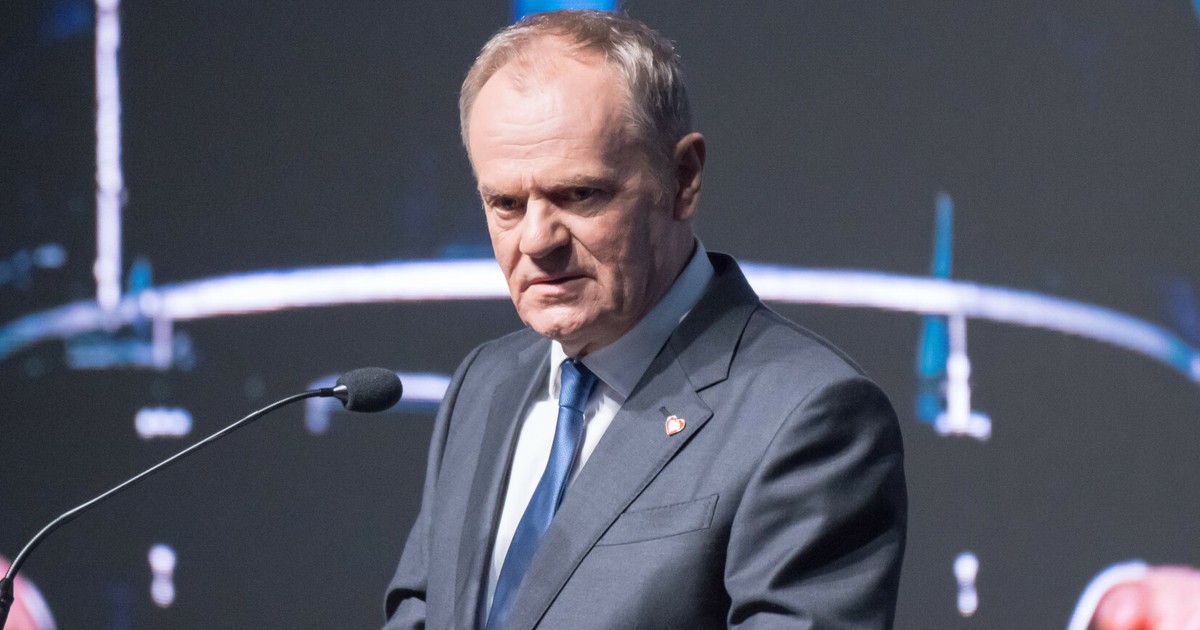
This Thursday, the Act on providing access to critical raw materials, including raw materials important for the domestic economy, will be consulted for consultation – announced on Tuesday the main geologist of the country, deputy minister of climate and community Krzysztof Galos.
The new regulations implement to national law EU Regulation Critical RAW Materials Act on critical and strategic raw materials for the European Union (CRMA); They are also to contain a list of key raw materials for the Polish economy.
During the Tuesday Panel of the Economic Forum in Karpacz on critical raw materials, Galos referred to the announced update of the state's raw material policy until 2050, of which the current version comes from 2022.
– It is our intention to try to organize the matter in the near future. Time runs quickly, so many things happened on the way that this document is already highly out of date and incomplete – he reserved.
He reminded that three concepts of raw materials will appear in the new raw material policy. These will include Critical raw materials for the EU (group of 34 raw materials defined in the Critical Raw Materials Act) and strategic raw materials for the European Union (currently there are 17).
– These raw materials are critical and strategic for the European Union Because the Union focuses on digitization, energy transformation and the importance of the defense industry. And this is clearly articulated in recent years that these are raw materials, where their applications apply primarily to these areas – reminded the deputy minister.
– Appreciating the importance of development industries or the defense industry, however, one cannot forget about the industries that are the basis of the functioning of the economy. That is why we are introducing the concept of key raw materials for the Polish economy – Galos pointed out.
The main geologist of the country clarified that this concept will appear in both the new raw material policy of the state and in the new act implementing the Critical Raw Materials Act, which – as he announced – will go to public consultations this Thursday.
The deputy minister stipulated that the list of key raw materials for the Polish economy “is not yet completely closed”. – It will probably be 44 raw materials, of which only 17 critical and strategic (for the EU – PAP) – he signaled.
– These twenty pairs will be other raw materials: fossil fuels, raw materials for construction, building materials, raw materials for the chemical industry, for the broadly understood metal industry, which in our concept are important for these key industries of our economy, whether industry, whether construction, or even agriculture – calculated the main geologist of the country.
– For the key raw materials for the Polish economy will be other tools (than resulting from CRMA – PAP), which will serve (…) to support actions to obtain these raw materials – added Galos.
The EU regulation regarding critical raw materials entered into force in May 2024. In addition to determining critical and strategic raw materials for the EU, it assumes, among others, that in 2030 at least 10 percent. Annual total consumption of a given raw material in the EU is to come from its own extraction within the EU, 40 percent. from EU processing, and 25 percent Recycling within the EU. In addition, no more than 65 percent are to come from one country outside the EU. deliveries to the EU countries.
On Tuesday, Deputy Minister Galos estimated that “there is no chance” to reach extraction and processing indicators by 2030. – In the case of recycling in the case of many raw materials, there is a chance, but very limited. Only the last indicator is actually to be achieved: greater diversification in a few years – he recognized.
– On the other hand, those indicators are something to strive for. If it was possible to achieve 40 percent at the processing stage. And 25 % recycling, that would mean that we have two -thirds of needs from our own European sources and that would be something. But not in five years – summed up Krzysztof Galos. (PAP)
MTB/ Mick/