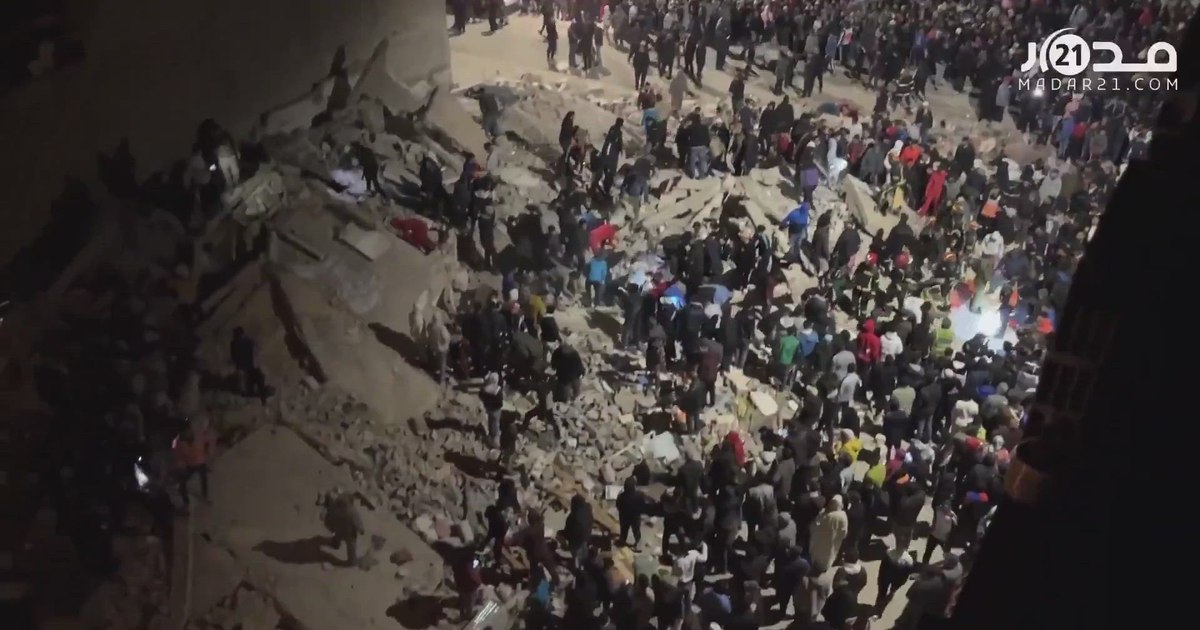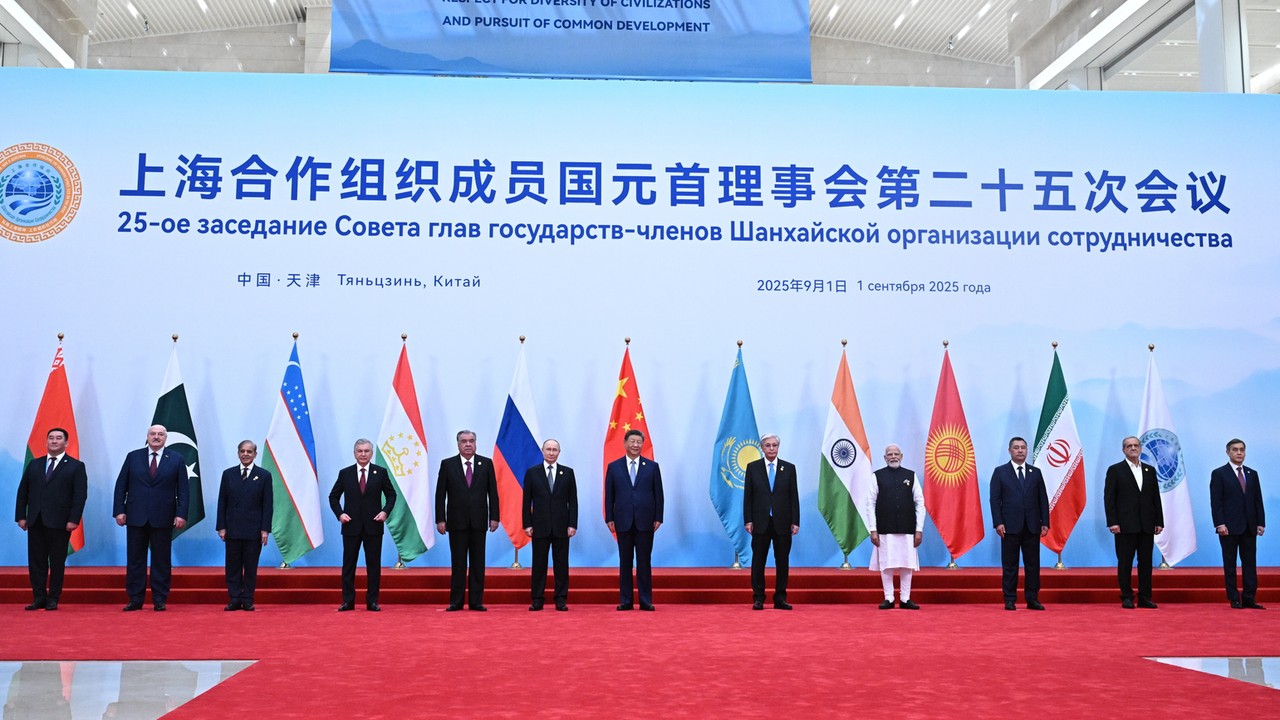
The most blunt formulations in the document concerned the Middle East. Leaders of the SZOW countries “definitely condemned the military aggression of Israel and the United States to Iran of June 2025”, describing it as “a serious violation of international law and the United Nations Cards”.
In the Tian Declaration, the leaders recognized the UN significant importance, at the same time calling for its reform in order to “ensure representation of developing countries” and adapting the organization to “contemporary political and economic realities”.
Leaders of the SZOW countries expressed an objection to “solving smoking international and regional problems with the help of block and confrontational thinking” and emphasized that cooperation under SZOW “is the basis for creating a framework for equal and undivided security on the Eurasian continent.”
Opposition to “three evil forces”
Member States have committed to deepen cooperation in the fight against terrorism, separatism and extremism, i.e. Three forces of evil, which the organization has been opposed from the beginning of its existence. Signed, among others Agreement on the creation of a comprehensive response center to a security threat and the SZOW anti -nobility center.
In the economic sphere, the Chinese initiative of the belt and trail was supported, “unilateral” economic sanctions were opposed and the desire to increase the share of national currencies in settlements was declared. The SZOW development strategy for 2026–35 was also adopted.
The Minister of Foreign Affairs of the PRC Wang Yi informed during a speech closing the summit that a decision was made to establish a development bank of Szow, aimed at strengthening regional economic cooperation.
In a separate statement, members of the organization expressed opposition to commercial funds that “violate the principles and rules of” the World Trade Organization (WTO).
What is the Shanghai Cooperation Organization
“Shanghai Five” – a forum created in the mid -1990s by China, Russia, Kazakhstan, Kyrgyzstan and Tajikistan to resolve border disputes, transformed formally into SZOW in 2001, after joining Uzbekistan. Over time, the group turned into a transregional organization. It currently brings together 10 Member States, including India, Pakistan, Iran and Belarus.
The organization is promoted by Beijing and Moscow as an alternative to NATO.
As Wang Yi pointed out, in Tiancin a decision was made to combine two countries with the status of an observer in SZOW and 14 dialogue countries into one category of “partner states” of the organization.
Kyrgyzstan took over the presidency of the organization in the following year.