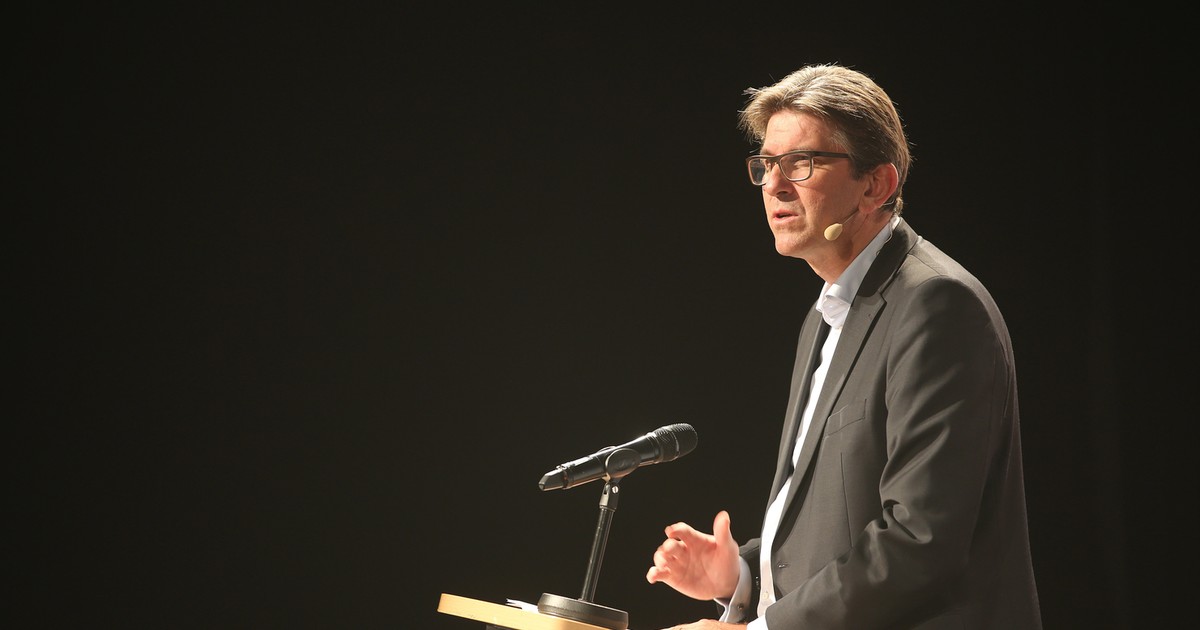
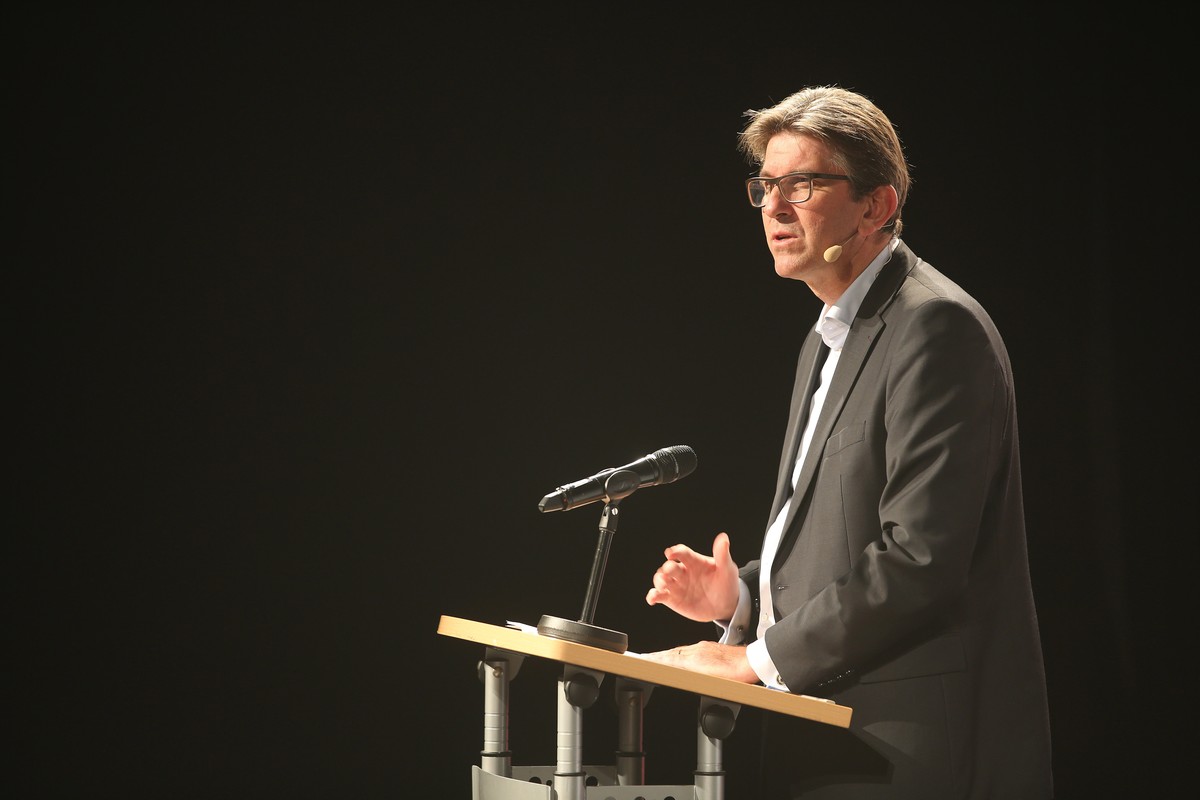
The Minister of State for Culture and Media Wolfram Weimer emphasized that “The German responsibility for the crimes committed by the Germans does not expire. (…) the German responsibility continues, also for what has never happened.
The ceremony was also attended by the mayor of Berlin Kai Wegner, Secretary of State at the German Ministry of Foreign Affairs, Geza Andreas von Geyr and the head of the Polish embassy in Germany, Jan Tombiński.
German Minister of Culture with the assault of the Third Reich
Weimer pointed out that Germany devotes too little memory space about the suffering of Poles during the occupation, emphasizing the need to remind about the actions of the German army and administration in Poland and other countries during World War II. He also pointed out that in the face of Russia's war against Ukraine, a reflection on the common European memory is needed: “the European future requires a common European memory.”
According to the German minister, overworking history and the memory of the victims of the Nazi occupation are “central” for German memory culture.
Polish diplomat Jan Tombiński, referring to the bombing of Wieluń, said: “Every war brings dramas and tragedies, whose first victims are always the weakest.” He also added that for the first time in history Poles and Germans have been allies for over 25 years, and “settling with the wounds of the past will only strengthen our ability to deal with new challenges together.”
The ceremony took place at a temporary monument commemorating Polish victims of World War II, in a particularly symbolic place – it was there in the King Opera building on September 1, 1939 that Adolf Hitler gave a speech in which he announced aggression on Poland.