2025-08-30 11:00
publication
2025-08-30 11:00
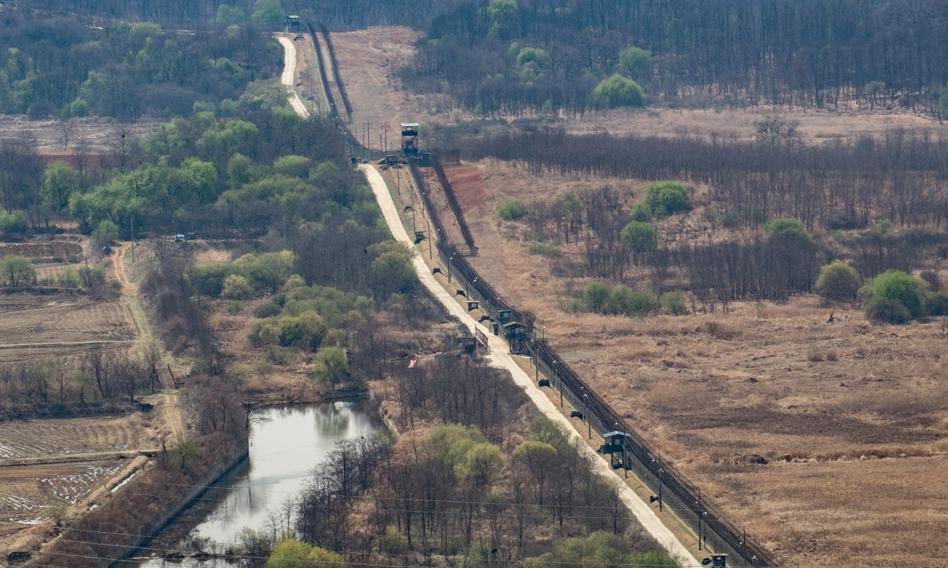
The demilitarized zone between North and South Korea became an ecological oasis, in which almost 6,000 were recorded. species, including cranes, deer and bears, “said Guardian. South Korean researchers also discovered that this area has been inhabited by over 100 endangered species.
The demilitarized zone is a belt of soil stretching to a length of 250 km and 3.8 km wide, running along 38 parallel. This strongly fortified border between the states was created 72 years ago, after the Korean war lasting from 1950 to 1953. This conflict ended with a suspension of weapons, not a peace treaty, which means that both countries remain at war. The zone is not available to most civilians, it is strongly guarded and surrounded by military installations.
The British daily described the work of scientists from the South Korean National Institute of Ecology, which monitors nature in the civil control zone, i.e. in a buffer area with limited access, bordering directly to the demilitarized zone.
Researchers noted almost 6,000 here. species, including over 100 endangered, which is over a third of the endangered species of wild nature of South Korea. The newspaper noticed that although the area monitored by scientists takes less than 10 percent. the total area of South Korea, it is a shelter for 38 percent. endangered species and there are over 30 percent. Flora and fauna of this country.
The diverse relief of this zone creates separate habitats: wetlands in the western sector give shelter to migrably cranes, while raw mountains in the east provide asylum of some of the most endangered country mammals, including Siberian contest and Himalayan bears – we read in the article.
“Guardian” noted that both the persistent state of war and possible peace pose a threat to nature in the demilitarized zone. In an interview with the newspaper, the director of the Ecological Research Institute of Demilitarized Zone Kim Seung-HO expressed his fears that “any peace agreement could bring development, but at the same time he would threaten a delicate ecosystem.”
– Here, war and peace, life and death coexist. The earth contains the remains of soldiers of many nations, and yet nature does not discriminate against anyone because of nationality or ideology. He creates a sense of harmony of these tragic elements – he added.
From London Marta Zabłocka (PAP)
mzb/ bar/