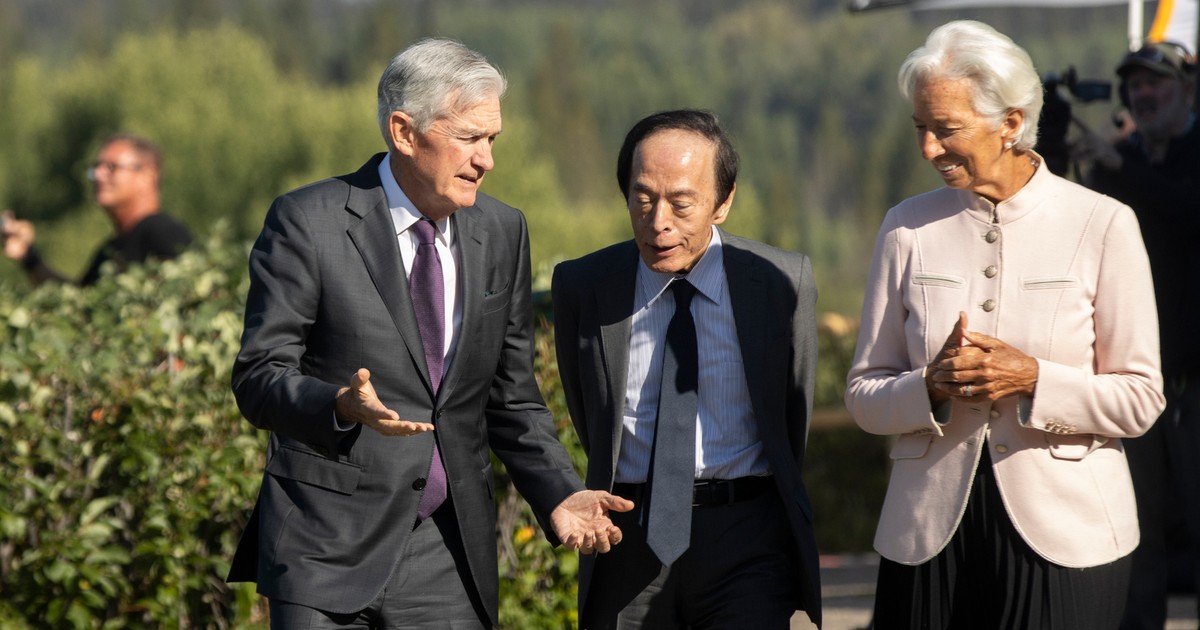

During the symposium in Jackson Hole, Wyoming, leaders of central banks, including Kazuo Ueda from the Bank of Japan, Christine Larde from the European Central Bank and Andrew Bailey from the Bank of England, pointed to the aging of societies as a key challenge for the economies.
Read also: Sikorski supports Ukraine on Independence Day. Strong words were said
Demographic challenges in Japan, Europe and Great Britain
As the Financial Times reported, Kazuo Ueda emphasized that In Japan, the rapidly growing percentage of the elderly led to staff shortages, which is one of the most important economic problems of the country. Although foreign employees constitute only 3 percent. there are a workforce of local labor, they are responsible for half of the work resources.
The aging of the population and low birth rates affect not only Japan, but also other wealthy economies.
The head of the European Central Bank warned that If actions are not taken to increase the number of foreign employees, by 2040 in the euro area the number of people of working age may fall by 3.4 million. Christine Lagarde pointed out that immigrants have played a key role in maintaining the stability of the labor market in recent years, constituting half of the workforce in the region.
Read also: Putin will go further after aggression to Ukraine? Poles have no doubt [SONDAŻ]
According to the British daily, the head of the Bank of England drew attention to the “serious” consequences of demographics and falling productivity for the British economy. Andrew Bailey noted that By 2040 as much as 40 percent The population may belong to the group of elderly than the standard production age, which is additionally burdened with the economic system. The challenge is intensified by a decrease in professional activity, related to, among others with mental health problems and a reduction in the number of young people on the labor market.
The importance of migration in the economic planning of the future
According to the president of EBC, “without an influx of foreign employees, the terms of the labor market could be more difficult and the production could be lower.” Christine Lagarde also emphasized that in the years 2020-2022 these employees contributed to half the increase in employment in the euro area. A similar trend was noticed in Japan, where further economic growth requires a broader debate on the role of immigration.
In turn, Andrew Bailey expressed concern about the growing number of people referred to as “long -term sick”, which negatively affects the indicator of professional activity in Great Britain. According to the Financial Times, the boss of Boa also focused on disturbing demographic changes in society, indicating that more older women remain professionally active, while a similar tendency does not apply to men.