The simplest ways to keep blood sugar under control throughout the day, according to nutritionists


Glicemia is the main energy source of the body. When you eat, the body breaks down carbohydrates into glucose and releases it into the bloodstream, providing energy to cells throughout the body. Some foods can cause a sudden increase in blood sugar levels.
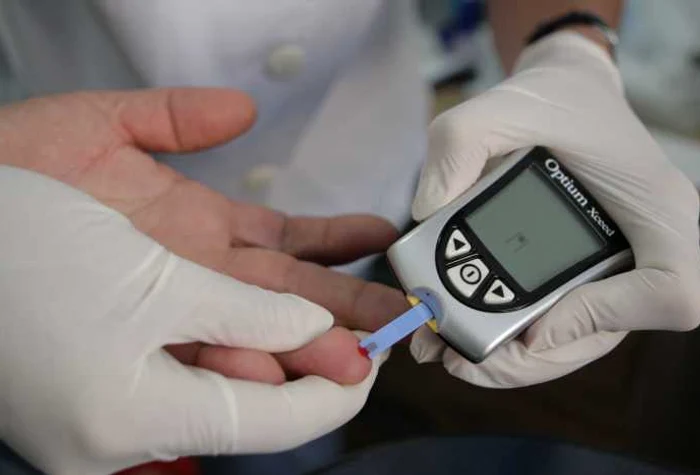
However, in some cases, excessive consumption or consumption of certain types of carbohydrates may cause a sudden increase in blood sugar. From time to time, this is not a problem. But a high chronic level of blood sugar can increase the risk of insulin resistance, prediabet and diabetes, according to Eathingwell.
And if you are prone to a low blood sugar level, these sudden increases can be followed by an unpleasant fall.
“Low blood sugar, also known as hypoglycemia, can contribute to symptoms such as dizziness, confusion and weakness, affecting daily activities”, says Patricia Kolesa, a nutritionist.
Fortunately, there are measures that most of us can take to maintain the level of blood glucose throughout the day. If you are prone to low blood sugar levels, those sudden increases can be followed by an unpleasant fall.
“Low blood sugar, also known as hypoglycemia, can contribute to symptoms such as dizziness, confusion and weakness, affecting daily activities,” says Patricia Kolesa.
Doctors recommend a series of steps that we can follow to maintain blood sugar levels throughout the day.
Eat regularly during the day
If you are used to jumping over the tables, this could affect the blood sugar level.
“Jumping over the tables can lead to decreases in blood sugar, which might let you feel tired, trembling or irritable,” says Dr. Lauren Manaker, a dietitian doctor.
Instead of jumping over breakfast or lunch, try to eat at regular intervals throughout the day. Try a balanced snack, such as cheese and biscuits from whole grains or a perfume with yogurt, fruits and nuts. Instead, you will help your body maintain a constant intake of energy, reducing the chances of blood sugar will decrease too much or increase too much.
Consume more soluble fibers
“Although all fiber sources are beneficial in the diet, soluble fibers found in foods such as oats, beans and flax seeds contribute to stabilizing blood sugar,” says Dr. Kolesa.
When you consume soluble fiber, it dissolves in water, forming a gel -like substance. This thick gel helps to slow down the digestion and absorption of carbohydrates for a more uniform and gradual glucose release.
The types of carbohydrates you consume can have a significant impact on your blood sugar level. Refined carbohydrates, which are frequently found in white bread, white rice, donuts, biscuits, sweet breakfast cereals and sweetened drinks, can contribute to rapid blood sugar, especially if you consume them alone.
Consume proteins
The protein is digested slower than carbohydrates, so it is much less likely to increase your blood sugar. That is saying, some protein foods are better for you than others. The American Diabetes Association recommends weak proteins such as beans, Edamame, Tofu, Tempeh, Fish, Poultry, Eggs and Dairy Products with low fat content.
Stay hydrated
Hydration plays a key role in blood glucose management because the water helps the kidneys to eliminate excess sugar through the urine.
“When you are dehydrated, your blood sugar can become more concentrated, leading to higher levels of glucose in the blood. The signs of dehydration include dizziness, fatigue, extreme thirst or rare urination,” supports Dr. Lauren Manaker.
Limits alcohol consumption
“Alcohol can have unpredictable effects on blood sugar”says Dr. Manaker.
“It can cause a dangerous decrease in blood sugar levels, especially if it is consumed on an empty stomach, as it interferes with the ability of the liver to release glucose. On the other hand, sugary alcoholic beverages can cause sudden increases in sugar level.”adds the dietitian.
Maintains the consumption of added sugar to a minimum level
“Excessive consumption of added sugar, especially when not combined with fiber, protein and healthy fats, can cause rapid increases in blood sugar, followed by decreases that make you feel tired and hungry. Over time, frequent increases can affect the body's ability to adjust blood sugar, increasing the risk of insulin.”says Manaker.
One of the best things you can do for a more stable blood sugar is to give up candy, sweets, pastries and sugary drinks.