
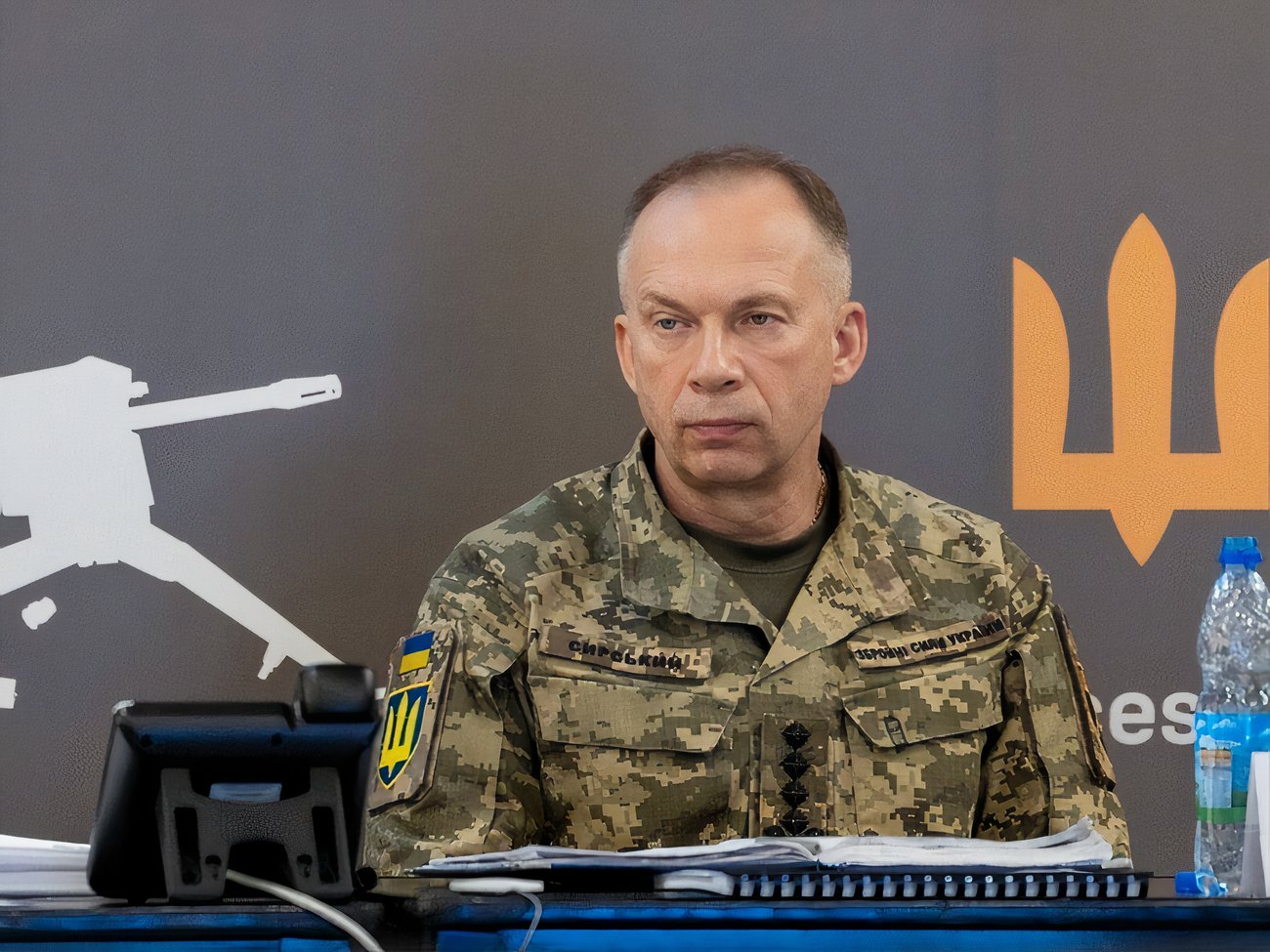
The journalist noted that the Russian Federation prevails in the population of the population, respectively, has a larger mobilization resource. She asked Syrky how to compensate for this difference.
Syrfa in response outlined two directions, which, in his opinion, are capable of helping in this.
“One, perhaps, of the main paths is a technological weapon. That is, to use weapons, equipment without military personnel or weapons that has distance management – to maximize human losses. The second direction is improving the quality of training. Professionally trained soldier has much more chances to survive on the battlefield than just an ordinary soldier who has a weaker training,” said Glavkom.
In this context, he recalled that in Ukraine the basic combined -arms training was increased from one month to 51 days, and the adaptive training course is up to 15 days. Syrfa explained that the soldier who gets to the training center is trained there and after that – in part. In general, this all lasts virtually two months. Although sometimes the course in terms of combat training, depending on the conditions of combat training, can take less time, but it cannot be less than five days, he emphasized.
“This training course includes adaptation and preparation of a soldier for a specific battlefield, if you say a larger scale for the theater of military operations. He is preparing to clash with a specific enemy, which has a certain weapons and tactics. This allows our soldier to be as ready for the challenges that he will meet on the battlefield,” he informed the headcoma.


