A veteran diplomat explains why the Trump-Putin summit to take place is amateur and politically motivated

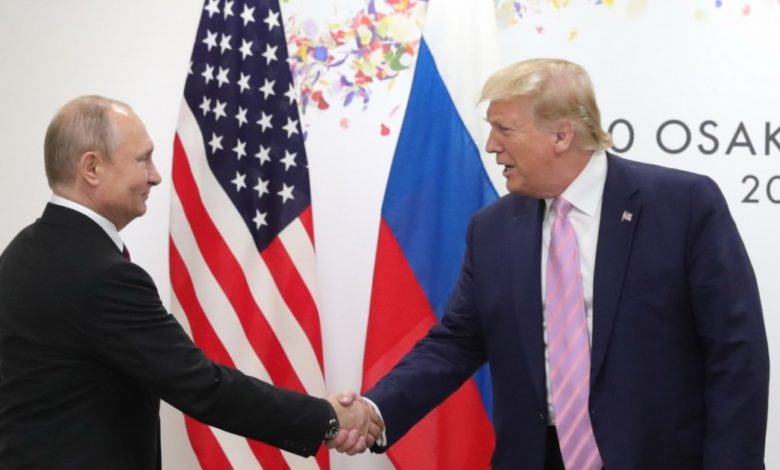
A rush organized summit between US President Donald Trump and Russian leader Vladimir Putin is to take place on August 15, in Alaska. The main subject: A possible peace agreement between Russia and Ukraine. Ukrainian President Volodimir Zelenski will not participate, unless a last moment change occurs.
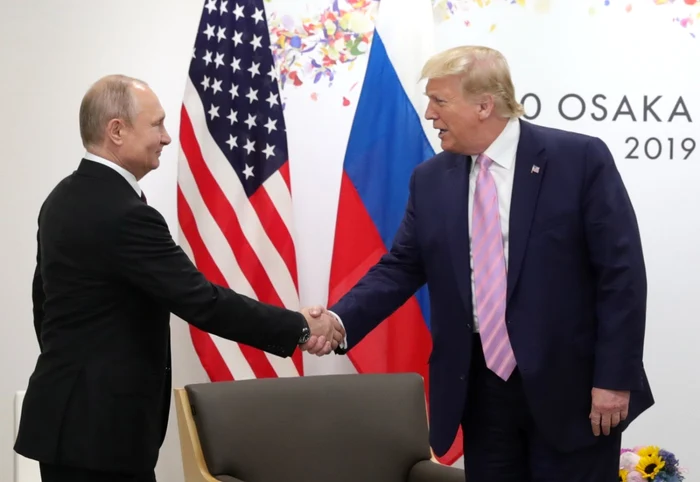
Vladimir Putin will meet Donald Trump in Alaska/Photo: Profimedia
In order to understand the implications of this unusual meeting, the policy editor of The Conversation, Naomi Schalit, discussed with Donald Heflin, a former career diplomat and currently a teacher at Fletcher School at Tufts University. Heflin believes that the summit will most likely produce “a photo and a statement”, but not a sustainable peace agreement.
How does a war usually end?
“The wars usually end for three reasons,” explains Heflin. “The first – both parties reach the exhaustion and choose the path of peace. The second – one of the parties gives up and expresses their availability to negotiate. And the third – when an external force intervenes and imposes a solution. This I saw several times in the Middle East.”
In the case of the conflict between Russia and Ukraine, none of the parties seem willing to give up the territories or sit at the negotiation table, says Heflin. In this context, the role that the Trump administration plays seems to be the third type – an external power that tries to force a solution.
However, he warns, “Russia is not a small country in the Middle East. It is a former superpowers, with a significant nuclear arsenal and a significant army. Can the US impose on Russia? I doubt.”
How is this meeting in the history of peace negotiations?
Heflin invokes a historical parallel: the 1938 Munich conference, when the UK negotiated with Nazi Germany. Although he emphasizes that he does not want to directly compare the current situation with Hitler's regime, diplomatic similarities are difficult to ignore.
“In 1938, Germany claimed that the German minority in Czechoslovakia was discriminated against and demanded the annexation of the territories in which they lived. Czechoslovakia was not invited to discussions. The United Kingdom and France accepted Germany's requests, giving him vague security.
“And now, Ukraine is not at the table. And the lessons of the past show us that an agreement concluded without the direct participation of the affected is unlikely to resist.”
How prepared is the American team?
According to Heflin, serious negotiations require expertise and thorough training.
“Usually, political leaders set the objective, and the specialists in diplomacy and defense implement the strategy: discuss, establish details, elaborate maps and concrete figures. Here, all are missing.”
He warns that, at present, the US National Security apparatus is led by a “B team” – a combination of without experience and lacking in the support of career diplomats, many of whom were removed or resigned after the installation of the new administration.
What does that mean for the Alaska summit?
“Two great powers do not organize such meetings just a few days before, except in the case of a major eventR, ”says Heflin. “The lack of training, consultations with European allies or Ukraine, indicates a non -professional process.”
In his opinion, the summit is rather a political event, meant to generate an image – and not a solid diplomatic result.
Can an eventual agreement apply?
“It is hard to say,” “ Heflin recognizes. “Ukraine received security guarantees in 1994, when it gave up nuclear weapons. It was promised to be invaded. And yet, this happened – in 2014 and in 2022. The West did not intervene decisively.”
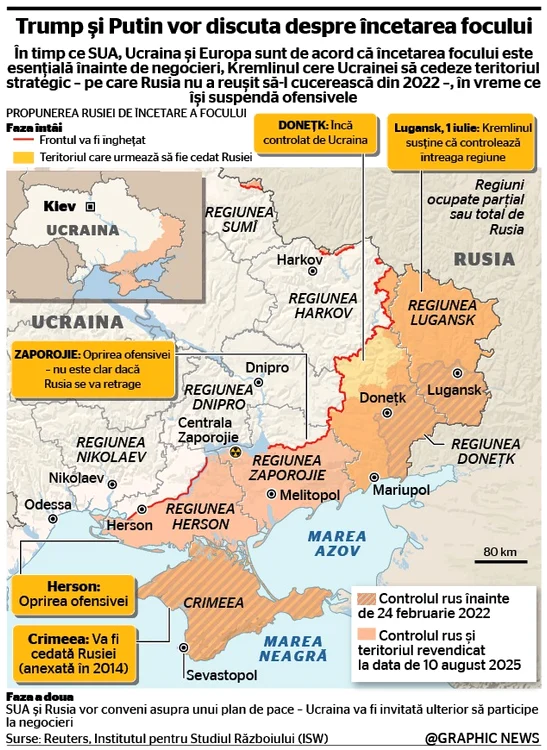
Essential questions remain: Will Russia Crimea give up? Most likely, no. Will Ukraine give in to the busy territories? Still not. Thus, the premises for a real understanding remain uncertain.
What do diplomats say?
Heflin ends with a clear message: “Experienced diplomats consider this meeting to be without substance, with reduced chances of producing real and applicable results. We will see a photo with Trump and a little hands, perhaps an ambiguous statement, but not an agreement to end the war.”