The US president concludes a contract with Nvidia and AMD. What does this mean for the world

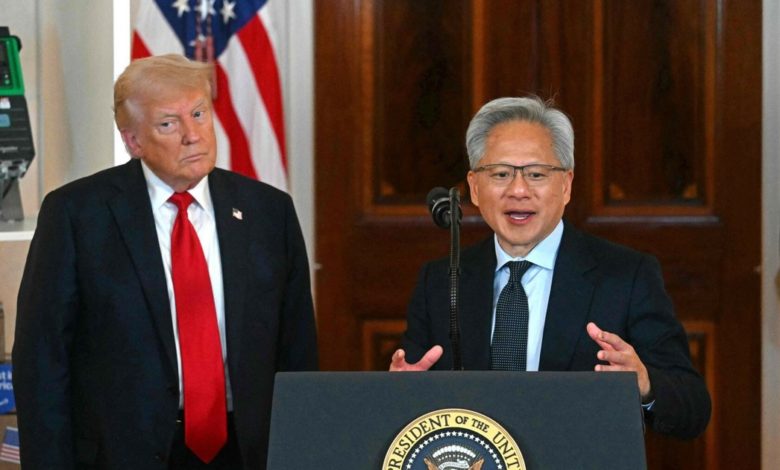
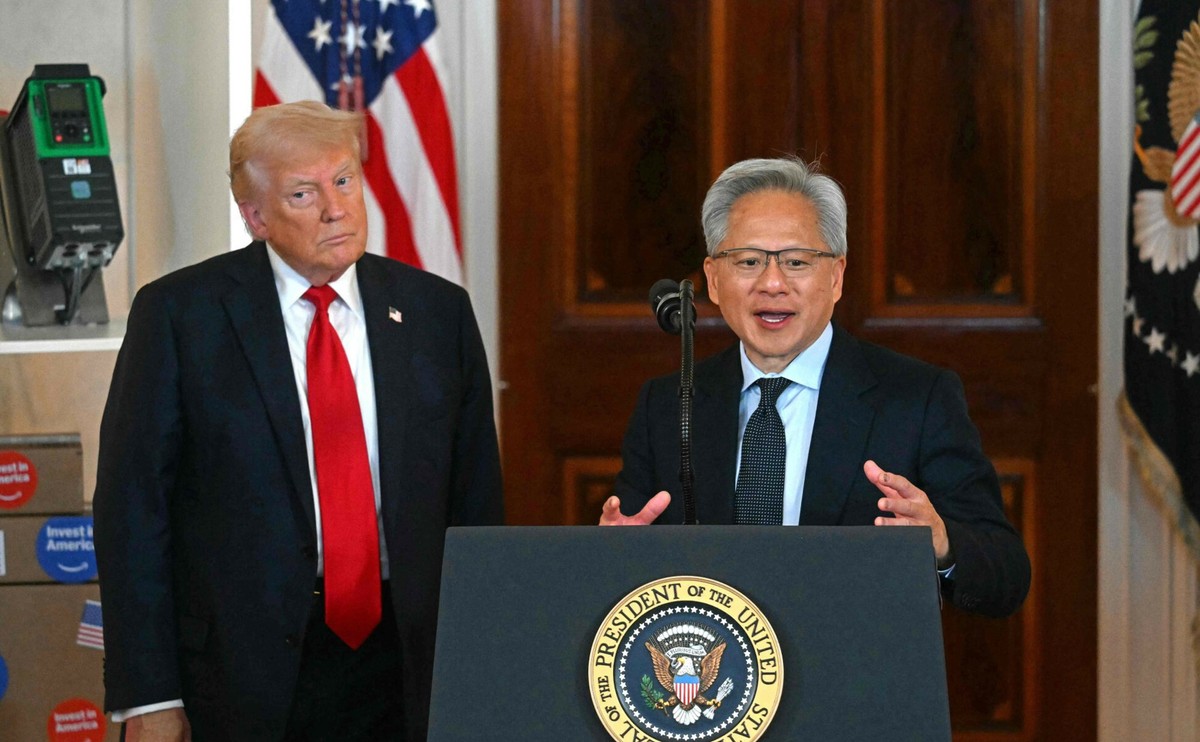
In a short horizon, both companies gain what the most needed: predictability and return to the USA largest AI equipment market. It is obvious that 85 percent Revenue from China is still better than zero-and the market assumes that part 15 % Danina will be transferred at prices to buyers in the Middle Kingdom.
At the same time, the American government materially participates in a stream of money flowing from Chinese demand for AI accelerators, without formally alleviating the export control regime. This is not a return to normality, but rather a transactional suspension of weapons.
Read also: Militarization of the Silicon Valley. Like Big Tech and billionaires enter the defense industry
Geopolitics enters artificial intelligence
Globally, the agreement is tested by a new geopolitical instrument, which is an export license in the form of a fiscal and political tool. If the mechanism consolidates, it can become a matrix for the model pay-to-play in other sensitive domains, though today Analysts believe that semiconductors are a special case due to the impact on safety and defense.
For governments, however, it is a tempting connection of the safety lever with a real impact on margins. For companies – the cost of conducting business in a world in which countries want to participate in technological disability pensions.
This means little for China. On the one hand, local companies regain access to legal, though performance -limited AI training and infections, which inhibits the erosion of their position in the race for the best technologies. On the other The cost of computing capital increases, and the political dependence on Washington's decisions remains. This can speed up two processes: intensification of efforts in favor of full hardware sovereignty and further optimization of models and software to “squeeze” more of less advanced systems.
The world supply chain must take into account subsequent voltages, including price jumps and pressure to limit unauthorized channels.
Check also: And goes for consultants. McKinsey warns against “existential threat”
Europe will take an example? Not yet
Europe and the rest of the world are observing the paradigm shift. Not so much a trade war as adjustable rental of computing power. Access to graphic systems becomes a tool of foreign policy, not just a matter of supply and demand.
For companies outside the USA and China, this means the need to diversify the sources of equipment, earlier purchasing planning and modeling political risk next to technological risk.
The precedent itself raises legal and constitutional questions in the USA and about it, Whether and when subsequent administrations will want to raise a rate of over 15 percent. If sales to China grow, the temptation to increase the share of the state will also grow. At the same time, what looks like for investors today in a reasonable compromise, in the long run may accelerate the spread of technological ecosystems and the formation of parallel standards on opposite sides of the Pacific.
For now, all this looks like a signal that In the artificial intelligence sector we enter the time of the “computing power policy”.