Iran hides its nuclear scientists: over 30 have been eliminated, and others live under strict protection

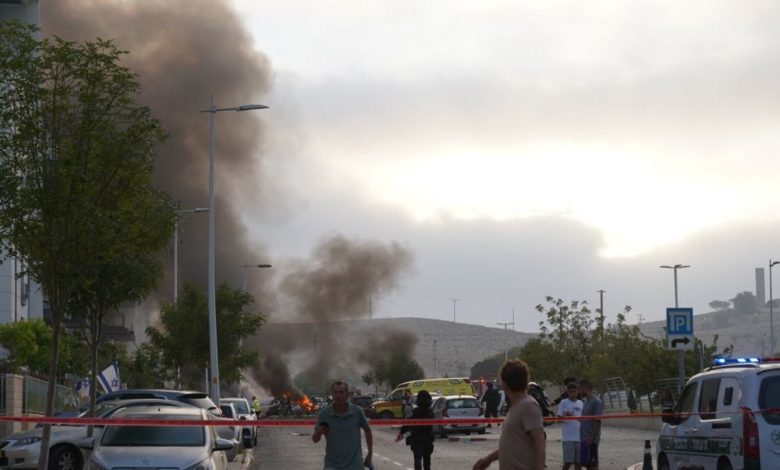
After a series of murders attributed to Israel, the Iranian authorities decided to withdraw from public life some of the specialists involved in the nuclear program. More than 30 researchers have been eliminated in recent years, and those remaining are now living in secure locations, away from universities and the scientific activity carried out previously.
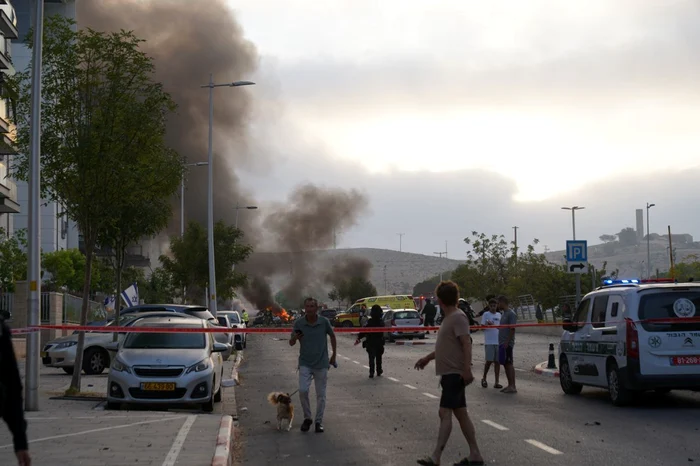
Israeli attacks in Tehran/Photo: Archive
According to an Iranian official quoted by the British publication The Telegraph, most of these scientists have been relocated to guarded housing in Tehran or in cities on the northern shore of Iran. The measure was taken after a new series of attacks in June 2025, in which several personalities in the field of nuclear research were killed.
“Those who teach in universities have been replaced with cadres without links with the nuclear program”explained the official, under the protection of anonymity.
A list of about 100 names would have been prepared by Israel, who consider these scientists as legitimate targets. Moreover, some Israeli analysts called them “dead dead”, despite the increased protection measures that have been offered.
A new wave of assassinations and internal executions
The tension increased even more this week, when Iran performed on Roozbeh Vadi, a researcher in a nuclear center of strategic importance. Tehran authorities accused him of collaborating with Israel, transmitting information that led to his colleagues during the 12-day war in June.
According to Israeli sources, despite these losses, the scientific infrastructure of Iran has not been completely abolished. The remaining specialists would take over the ongoing projects, including those within the Defense Innovation and Research Organization (SPND), a structure known for involving nuclear armament research.
Among the key areas in which these researchers activate include the design of nuclear focoa, neutron physics and the development of delivery systems. The reports of Israeli intelligence services suggest that some of them have worked on adapting Shahab-3 rockets for nuclear loads.
“Although the eliminated ones were in particular to design the foci, the remaining ones are equally important, because they master the delivery technology. This is transformed into strategic targets in June attacks“Said Ronen Solomon analyst.
Iranian universities, under the shooting of attacks
Israel believes that many of the technical knowledge that feeds the nuclear program are concentrated in the university environment. In this context, two higher education institutions in Tehran were attacked in June: Shahid Beheshti University and Imam Hossein University – both with well -known ties with military and nuclear research.
Iran constantly denies that it would develop a nuclear program for military purposes and claim that all the activities carried out are in the regulations of the International Atomic Energy Agency.
However, internal pressure increases. The assassination of several Iranian scientists has aroused reactions among families and academic circles. At a commemoration ceremony, the brother of a killed researcher publicly asked for the exit of Iran from the Nuclear Unlocity Treaty and the renunciation of the taboo regarding the development of a nuclear weapon.
“Iran could have obtained the nuclear weapon in two years, if he wanted. But because we went on the peaceful path, the enemy eliminated, one by one, our scientists”said Seyed Alireza Sadhi Saber.
His brother, Mohammad Reza Sadhi Saber, was killed in Israeli attacks with his wife and three children – including an 8 -year -old girl. The tragedy was widely reported by the Iranian press and fed the voices that demand the change of the official strategy.
A severely affected scientific infrastructure
On June 13, Israeli attacks also targeted specialists in the field of radiopharmaceuticals. Amir Hossein Fighi, one of the most promising researchers in nuclear energy medical applications, was killed that day. He had become known to the general public after appearances on national television explaining the use of radioisopes in the treatment of cancer.
“It is a huge loss, comparable to the assassination of Majid Shahriari in 2010“, A colleague said.
According to experts, this summer attacks have caused significant damage to the scientific and academic network that supports the Iranian nuclear program – a network built in decades and which is now trying to reconfigure, under military protection.
“In the past, security was provided by a single unit of revolutionary guards. Now, several agencies coordinate the protection of scientists, because there is no full confidence.”said the Iranian official for The Telegraph.
Some people under protection would have even asked to change the personal guard, fearing infiltrates or betrayals.