A new study shows what are the most popular baby names in Europe. Muhammad, the most common name in the UK

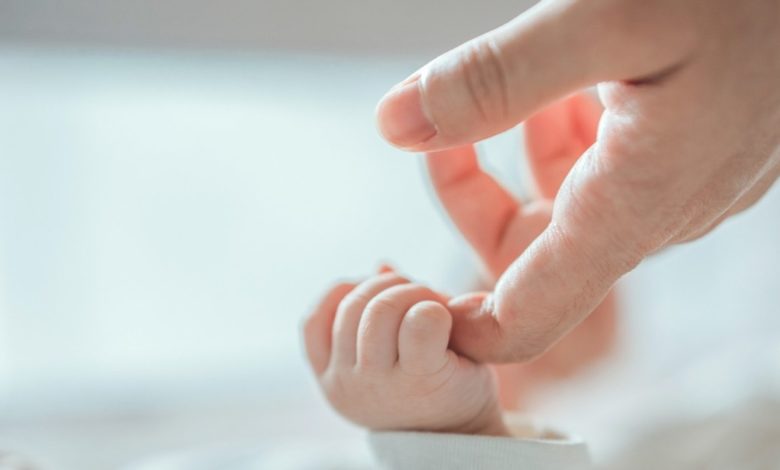
According to a map with the most popular children's names in Europe, in the UK, the most common names in boys is Muhammad.
Photo: Shutterstock
Noah is the most popular name for German boys, according to the Daily Mail interactive map, while Louise occupies the first place in the ranking for French girls.
Four of the 16 countries included in the Daily Mail analysis have chosen Noah most often as boys name.
Although Noah is “quite vintage”, Clare Green, who writes for the site dedicated to those looking for a child, Nameberry, said that parents still consider it “fresh”.
She told the Daily Mail: “Biblical names are universal. Noah has not been used for a long time, but I know that there have been some elements of pop culture that made it popular, such as the movie “The Notebook”. “
However, not all children are just as popular throughout the continent.
For example, Green said that some of the Scandinavian names, which sound more complicated, can be difficult to pronounce, which means that they usually remain inside their own borders.
Instead, the names that have simple sounds tend to be more popular at the universal level. Due to the global nature of the Internet and modern media, Green believes that in the coming decades there may be several names shared globally.
She points out that, as people continue to travel more abroad, there are now many couples from different countries that have children together, which means they will often choose a name that would fit both cultures.
Analyzing the data in more detail, the presence of shorter versions of more classic first names, which have become first name, such as Tom or Sam, is observed.
The Czech Republic seems to have the most stable popular names. Jakub is the most popular boy name in 2011, and Eliška is the most popular girl name in 2012.
But in other countries, such as Sweden, the United Kingdom or the Netherlands, we notice a tendency to more creative or international names. This is probably due to exposure to the global media and to change the attitude towards individuality and identity.
Parents are more aware of the international trends nowadays and it is not unusual for them to base their decisions on things such as Netflix series, friends from different cultures or even their favorite stars on social networks. “
Muhammad, the most popular name in the UK
The analysis performed by the quoted publication comes after last week the most popular names in England and Wales were revealed. For the boys, Muhammad took first place for the second consecutive year, followed by Noah in second place.
Olivia occupied the first place for the ninth consecutive year, being at the top of the ranking every year in 2016, while Amelia and Lily ranked two and three places.
Compared to the rest of Europe, the UK rules on children's names are among the most liberals in the world, similar to those in the US.
In the UK, parents have almost no restriction on choosing the child's name except “Extreme cases”such as a name that could be considered very offensive.
In 2016, a mother from Powys, Wales, was forbidden to name her daughter Cyanide-a type of poison that Adolf Hitler took before shooting.
Denmark, in the meantime, has laws meant to protect the cultural heritage of the country of elections and more unusual names of the names.
Parents need to choose from a list of 7,000 overlying names or request the permission of the Government and the local church. Each name in the list is attributed to a genre, because the name Unisex is not allowed.
Similar genre rules also exist in Germany, where parents' choice must indicate the genre before being approved by the Civil Status Office. France also has a rule on the embarrassing name. In 2015, a judge refused to allow the appointment of a child Nutella.
Switzerland also has a rule that forbids the names that violate copyright and, in the past, has rejected parents to name their children after brands such as Mercedes or Chanel.
In addition to the law, more and more parents appeal to science to help make a decision on their child's name. In recent years, numerous scientific research has been carried out on the names, which claim to show all kinds of trends.
For example, a study published in the Journal of Experimental Social Psychology found that people with easy -to -pronounce names are often perceived more positive than those with complex or unknown names.
Also, a 2012 study found that people with simple names, easy to pronounce, are often judged more favorably. This is because these names are easier to process, create a sense of familiarity and sympathy, which leads to a positive prejudice.
The data were collected from various official statistical bodies in Europe. They only record the official first name, so that the nicknames or other names commonly used have not been included.