I went to Ghighiu, near Ploiești, Hadâmbu from Iași and at Nechit from Neamț. I walked through monasteries with one question: why do we have zoos in the Romanian monasteries? It is a form of human and protection, say monks.
The Ghighiu Monastery in Prahova has the icon of the Virgin Mary from 1958 in the Great Church.
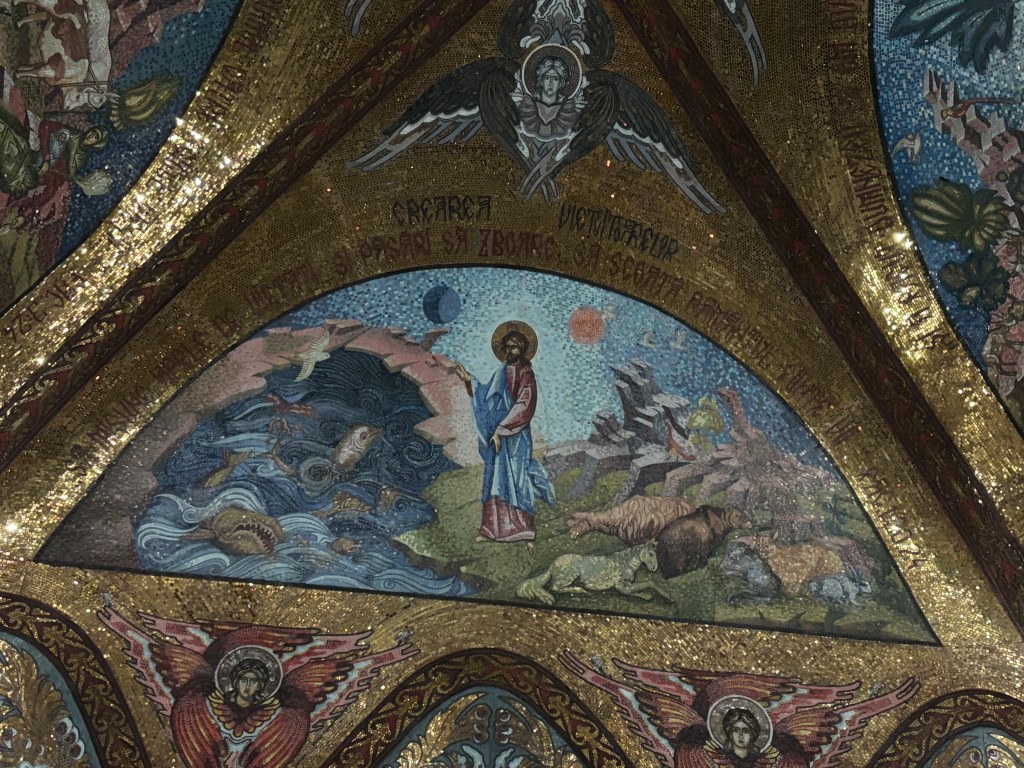
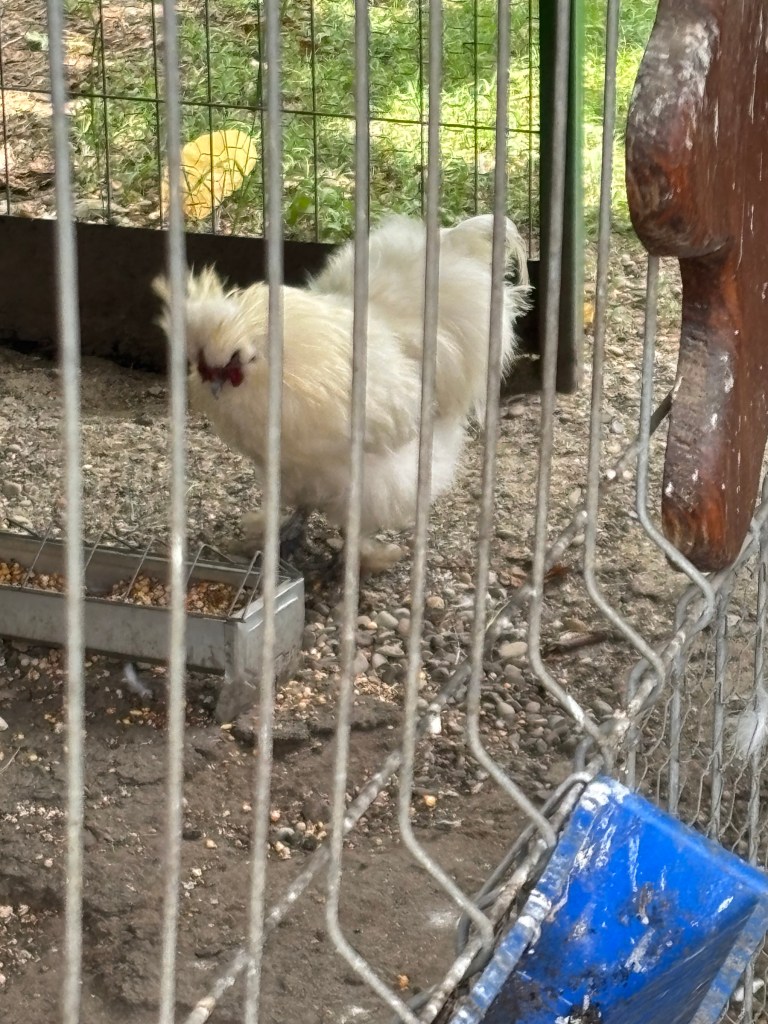
Behind the church lives, pheasants, silk chicken, mountain coconut. But the star is the squirrel. Her life happens in a drilled tree “like a whistle”. From time to time he shows his face, like a Mother of God.
The little girl from the old church told me to look around. What do I see? Paradise. In Paradise there are also happy animals. Who will die of old age.
Also in Prahova, the icon from the Pissiota Monastery He looks at the believer in any place he would stay in the church. The man has the impression that the eyes of the Virgin are accompanying him anywhere.
Outside, they are cages made of border panels. The same fauna as Ghighiu looks at us wherever we go through the monastery yard. Only squirrel is not.
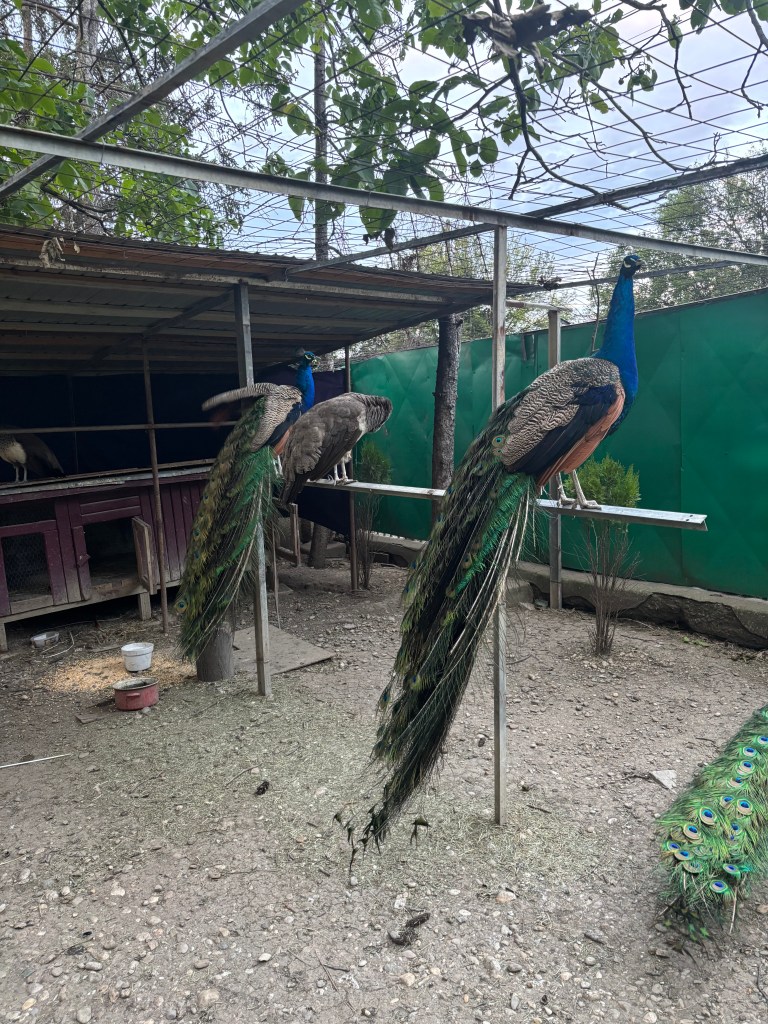
The priest of the monastery smelled me and told me that “those chickens are donations. A relative of a naughty brought them. And we thought it was good to have the children during the jobs. To hear the voice of the Lord and the children with their eyes to dream of the realm.”
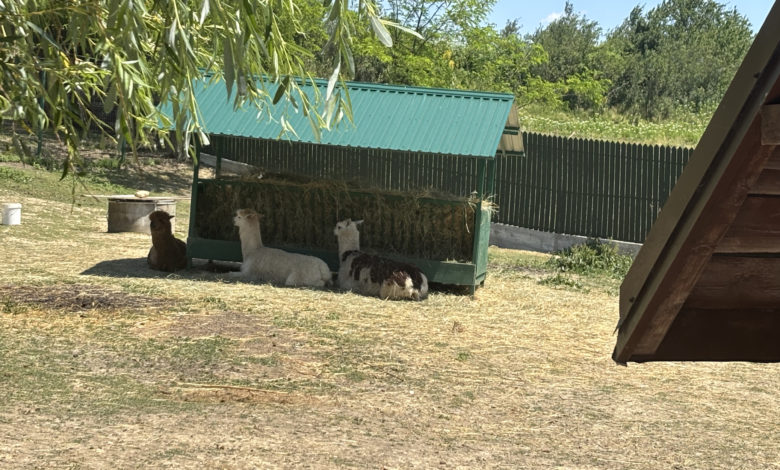
Alpaca from Hadâmbu Monastery
To Hadâmbu, from Iasi, The landscape changes. So far we can say that they are more animal farms, as they meet next to the big cities. Farms that are “nostalgic” after the country's grandmother's yard was once. Places of fun, but also of “piping” of reality by the children: look this is the hen that makes you the egg, look this is the sheep that gives you the milk.
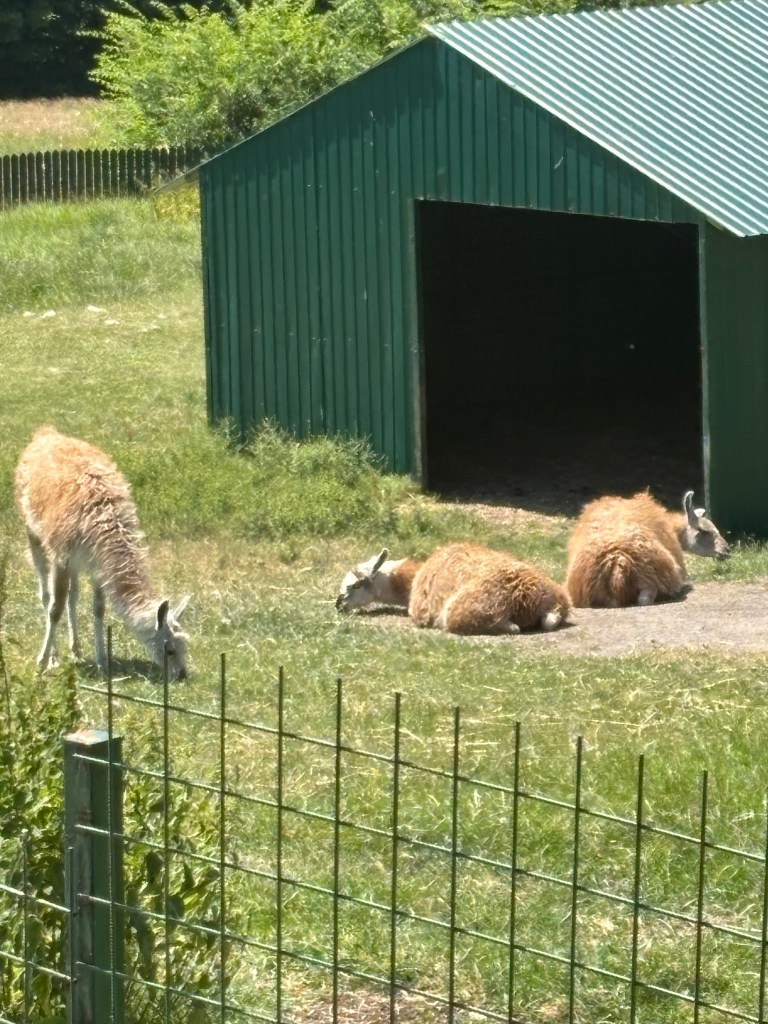
Hadâmbu is different. We enter the intention of the zoos. There are hectares where the peacock, the silk hen, the black swan are eclipsed by the deer, the deer, the blade, the alpaca, the muffin and, I say, even by the rabbit.
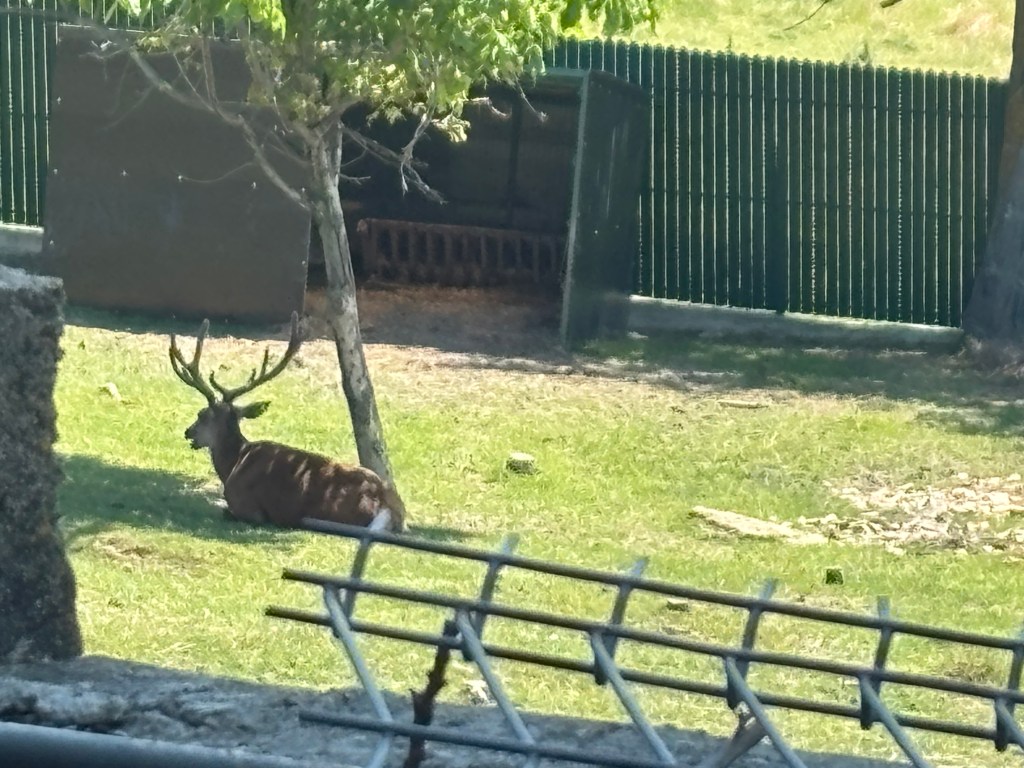
The monk who listened to the Pangar also speaks to me about donations and happy time during the time of work. Then he tells me green in front: “The devil is coming to you to ask me about the rabbit and Alpaca. We are a monastery, we worship here the Lord, that's why we are here, we do not walk after the heresies, after the rabbits.
The wandering animals
“Are you a good man?” I am asked at The Nechit monastery from Neamț de Zenovie, a monk for a lifetime. What is a good man, parent? “Man who uses the time given. The time is given to us by God. Do you use your time properly? Do you clean your home, take care of your parents, do you love your neighbor? Do you listen to them? Do you know something good with your life, for example, you know a job, you do it properly?”
I ask the monk Zenovie about the animals from the Nechit and asks me what I would do with a wandering sheep? I would let it, I say, to wander.
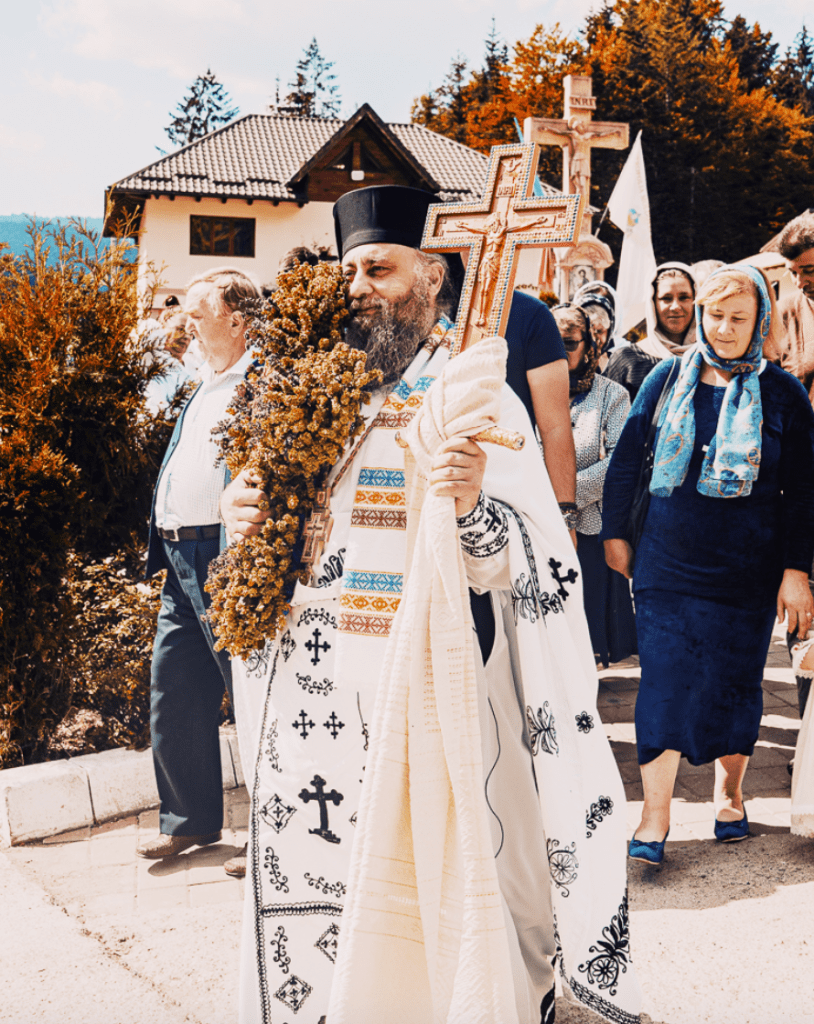
Father Zenovie from Nechit Monastery. Photo: Hotnews/Eugen Istodor
“You see, you from Bucharest do not understand us. Here we are brought ready -made animals and we do them good. We keep them in life. How to let the sheep wander? Where do I come from? You in Bucharest what do you do for you to do the goal for the wandering sheep,
The monk Zenovie puts the point on the i: “The man suffers from the disturbance of the good. The good disturbs the man from the flock. The wandering sheep must be brought to the flock, not to be placed separately.”
Father Zenovie gave me candy and urged me to take cherries from a boiler. He even told me to take place at the table with the monks. It's lunch time and people are back from listening and gather together. “I do not wander like sheep.”
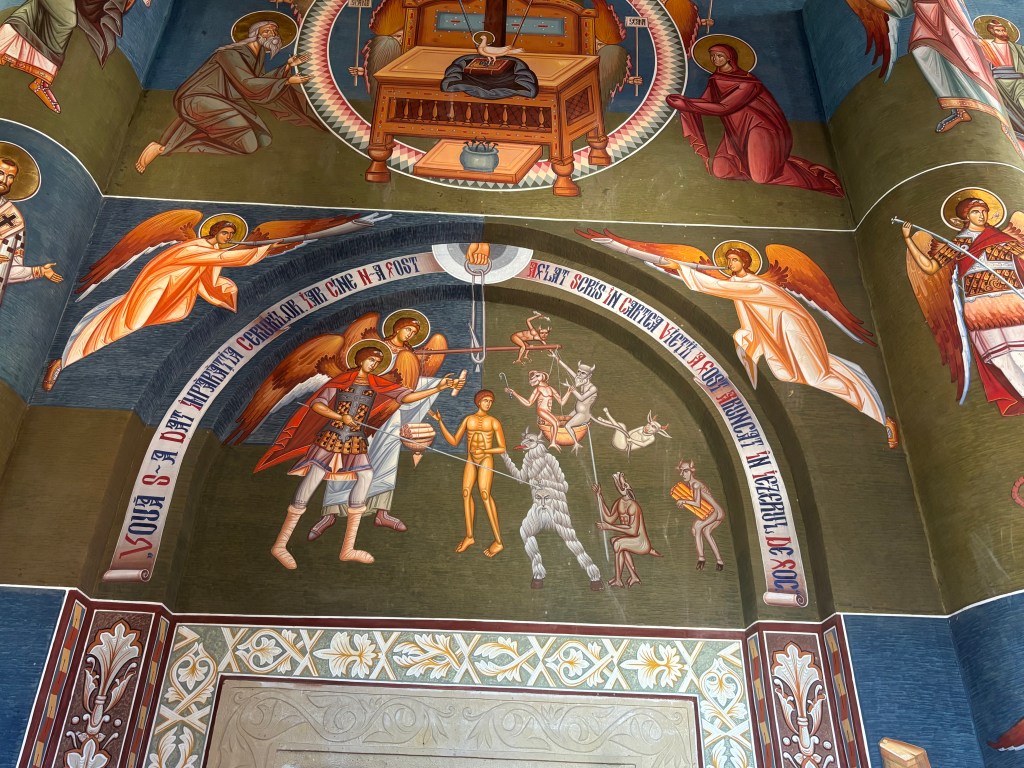
Photo Nechit Monastery: HotNews/Eugen Istodor
The “disneyification” of the monasteries
I started with the same question: how did the zoo at the monasteries arrive?
If I understood the monk Zenovie, I also sought an explanation at an anthropologist.
Alexandru Dincovici speaks of the “disneyification” of the monasteries: “If we think about what they have in common a monastery and a zoo, it seems that we are already preparing to say a bench. Only, in this case, there is no trace of joke, but rather a kind of experience, half spiritual, half or even world.
Noah's ark
In fact, what does it seem hard to understand? It will be the man in the center of attention in Christianity, but God has created a world in which, together with man, there is a matter and a lot of other living things. They are so important that he considered to be worth a place and (at least a) rescue on Noah's Ark.
The zoo present at certain places of worship can thus be considered a way to make religion a lived, tangible, affective experience, and to give a “real” dimension to biblical stories and faith, but also to attract the attention of an audience perhaps urban on the diversity of the world and the non-human creatures that are part of it.
On the other hand, however, we can speak with the same seriousness and about a tendency to “disneyification” present in contemporary tourism, which we can also see in religious tourism. Zoos are thus attraction points that can offer both sources of income and a dimension of the visit that could otherwise be reached much harder in their absence ”.
Ghighiu, Pissiota, Hadâmbu, Nechit do not have sheep in their zoos. They enter another category, like chickens and pigs. From these animals, when it is not a job, they share like me, like believers, like any wandering.
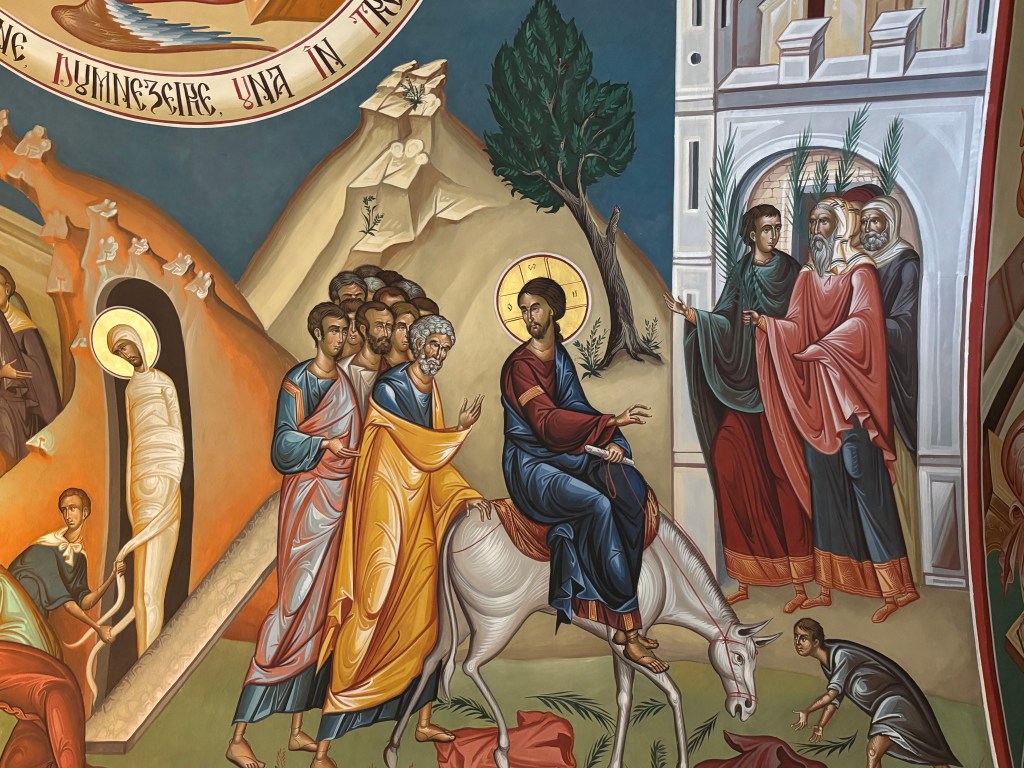
Hadâmbu Monastery. Photo: Hotnews/Eugen Istodor