2025-08-02 06:00
publication
2025-08-02 06:00
According to the EU Commissioner for Transport, Apostolos Dzidzikostas, roads and railway lines in the European Union countries are not adapted to repel Russia's possible invasion. The EU intends to spend EUR 17 billion on improving transport networks – said the British daily Financial Times.
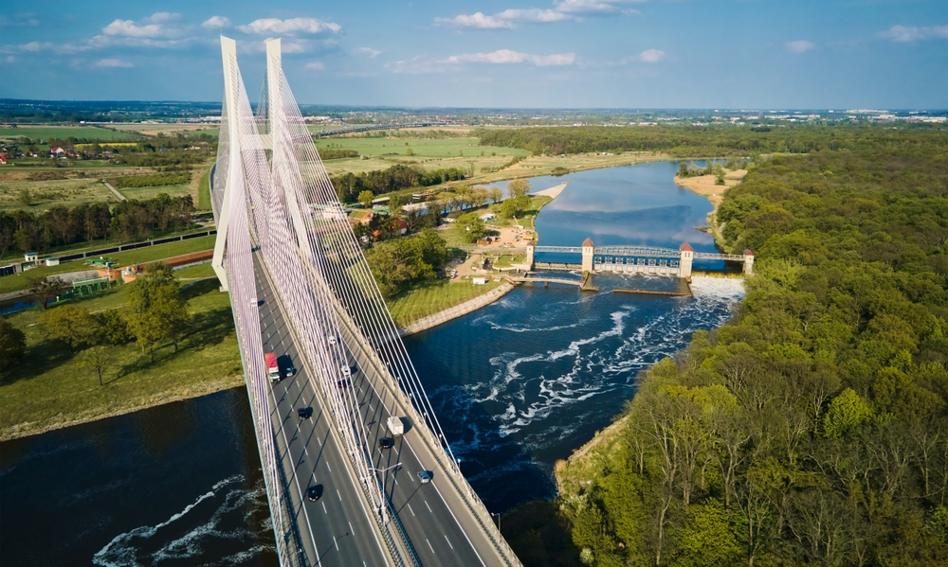

European roads, bridges and railway lines They are not adapted to fast movement of tanks, soldiers and weapons in the event of war with Russia. The tanks sent to the east would get stuck in the tunnels and destroy the bridges, and the army's journeys would encounter serious difficulties because of bureaucracy at border crossings – told journalists Dzidzikostas. The Commissioner wants to allocate EUR 17 billion for infrastructure renovation.
– We have old bridges that require modernization – admitted the Commissioner. – We have narrow bridges that require widening. And we have bridges that are not there and which need to be built – he added. The newspaper noticed that while trucks weigh up to 40 tons, the weight of the tank (up to 70 tons) is almost twice as high.
In the Commissioner's opinion, the displacement of military equipment and soldiers from west to east would take weeks or even months. Meanwhile, a high response speed is required from European troops. That is why the EU is currently developing a strategy for modernizing several hundred infrastructure facilities, which is to ensure the possibility of displacement of the armed forces along four military corridors, crossing the continent, “within a few hours, a maximum of a few days” after a possible attack. Infrastructure expansion projects are covered by a confidentiality clause for security reasons.
In addition The EU is to prepare changes to regulations that would prevent “getting tanks in papers” – he said “FT”.
NATO Secretary General Mark Rutte warned the alliance's Member States in June that Russia could attack until 2030 – reminded the British daily. Although the European Commission in the EU budget draft for 2028–34 declared investing EUR 17 billion in military mobility, high -ranking EU diplomats warn that this amount will probably be reduced during turbulent negotiations between EU countries before the final adoption of the budget.
Dzidzikostas announced that the Military Mobility Plan would complement the NATO allies agreement on increasing defense expenditure to 5 percent. GDP.
“We can't afford a lack of readiness,” the Commissioner emphasized. (PAP)
Os/ Szm/