Facial recognition and fingerprints on EU borders. How will visitors outside the Union be controlled from October

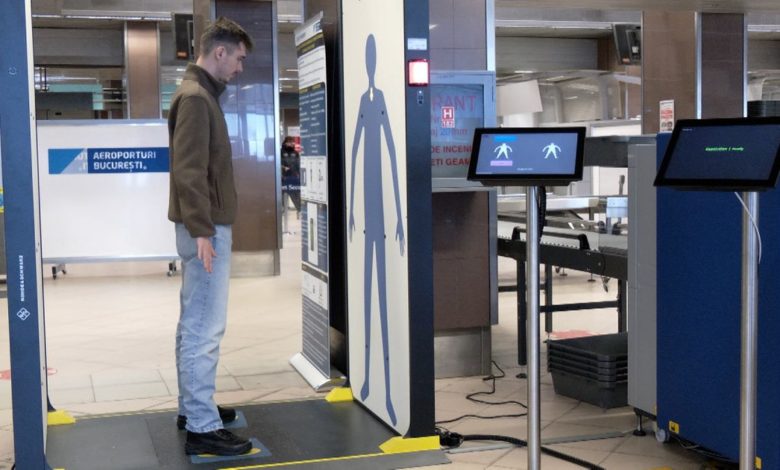
From October 12, the European Union will introduce a digital border control system for citizens outside the community space. The new procedure, which involves scanning fingerprints and facial recognition, will gradually replace the stamping of the passports.
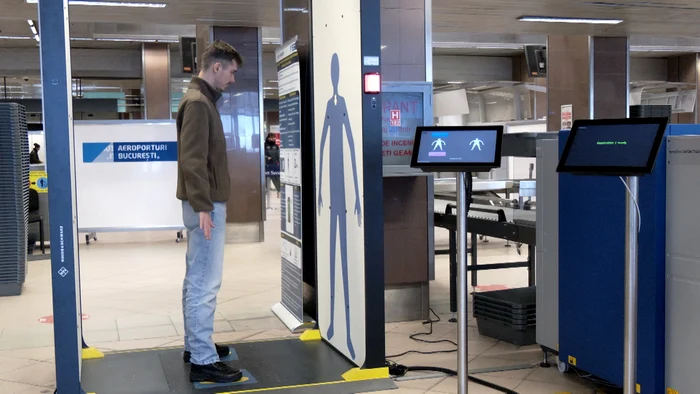
The new EES system is gradually introduced at the entrance to the European countries. Photo. archive
The European Union will implement, from October 12, 2025, the modernized border control system, which involves registering the biometric data of passengers outside the EU. The new input/output system (EES) will replace the traditional passport stamping with digital methods such as fastening and facial recognition.
“Starting October 12, the Member States will begin the gradual introduction of the EES for a period of six months. The border authorities will progressively record the data of the third countries that cross the borders. At the end of this period, the EES will be fully implemented at all border crossing points,” announced the European Commission on Wednesday, in a statement quoted by The Guardian.
The new system will be applied in 29 European countries, including those associated with Schengen space (Iceland, Liechtenstein, Norway and Switzerland – no) and in particular aim at temporary visitors who do not have EU citizenship.
“The European Electronic Supervisory System is an advanced technological system that will digital register the entries and outputs of citizens outside the EU traveling in 29 European countries, including those associated with Schengen space (Iceland, Liechtenstein, Norway and Switzerland – no) for short -term stay. Journey, gradually replacing the current passport stamping system”, The European Commission said.
Through this system, the authorities will be able to check quickly if a visitor has exceeded the legal period of residence.
How the new ees works
At the first passage of a European border, travelers will be checked either the digital fingerprints or the facial image, but not both. The information will be stored in the European system, thus eliminating the need to stample the passport at subsequent entries and exits.
The scanning equipment is already installed in key points such as the Eurostar terminal in London, and in Dover and Eurotunnel new facilities for cars, buses and trucks are arranged.
The project is part of the wider initiative of the EU regarding the “intelligent borders”, meant to increase the security, but also to make the process of crossing the borders for frequent and verifies, but the implementation is not uniform, as each Member State is responsible for integrating the system.