He knows Iran like hardly anyone. Appeals to the West: something may change

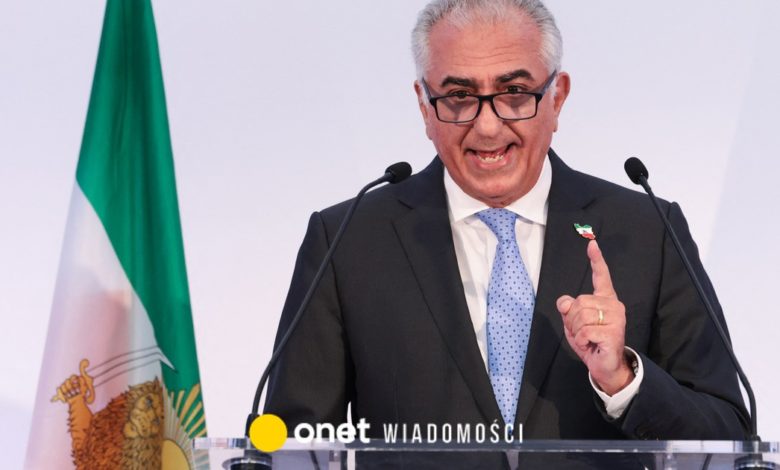
During the conference in Munich last weekend, many speakers praised the Lord as a uniting figure of the Iranian opposition. What do you think you make you a person who can lead changes to Iran?
I think that the basis is above all the trust that my countrymen gave me as a person known for their name and 44 years of commitment to the fight for the liberation of our country. This trust allows me to conduct changes and focus forces around a joint project. Everyone should have their place in it, regardless of party affiliation, worldview, ethnic origin, religion or sexual orientation. This diversity was reflected during our meeting in Munich. Everyone feels that now something can change.
Also in the ranks of the opposition there are many people who remember your father's rule as a brutal dictatorship. How do you intend to dispel their fears that you want to restore this form of monarchy?
I am an independent person. Everyone who aspires to perform a public function should be assessed on the basis of his arguments and actions. What someone has done in the past is not inherited by descendants in the form of good or bad qualities. I am in favor of realizing and maintaining the democratic future of Iran. This requires transparency and responsibility. In our project, representatives of civil society, various experts and lawyers are involved in the state of law, which will be able to permanently protect the individual freedoms of citizens. Only in this way will we gain the trust necessary to make changes. I reach out to everyone who wants to take part in this process.
After overthrowing the current system, you want to referendum on the future of Iran. What exactly do you want to give up to the vote? Is it also about the possible return of the monarchy?
The constitutional assembly is to decide which model of democracy we will choose. Do we want a republic with a prime minister and president, like in Israel, India or France. Will it be a parliamentary republic or a constitutional monarchy modeled on a Swedish or Japanese model. I think the content is more important than the form. First of all, we must guarantee human rights and the functioning division of power. During the discussion we need a transitional government. Ultimately, citizens should receive a design of the constitution that they will be able to accept or reject so that the constitutional assembly can improve it. When Iran has a new constitution, we will be able to choose a new government.
A few weeks ago you stated that the clergy's rule is close to falling. However, it doesn't look like this at the moment.
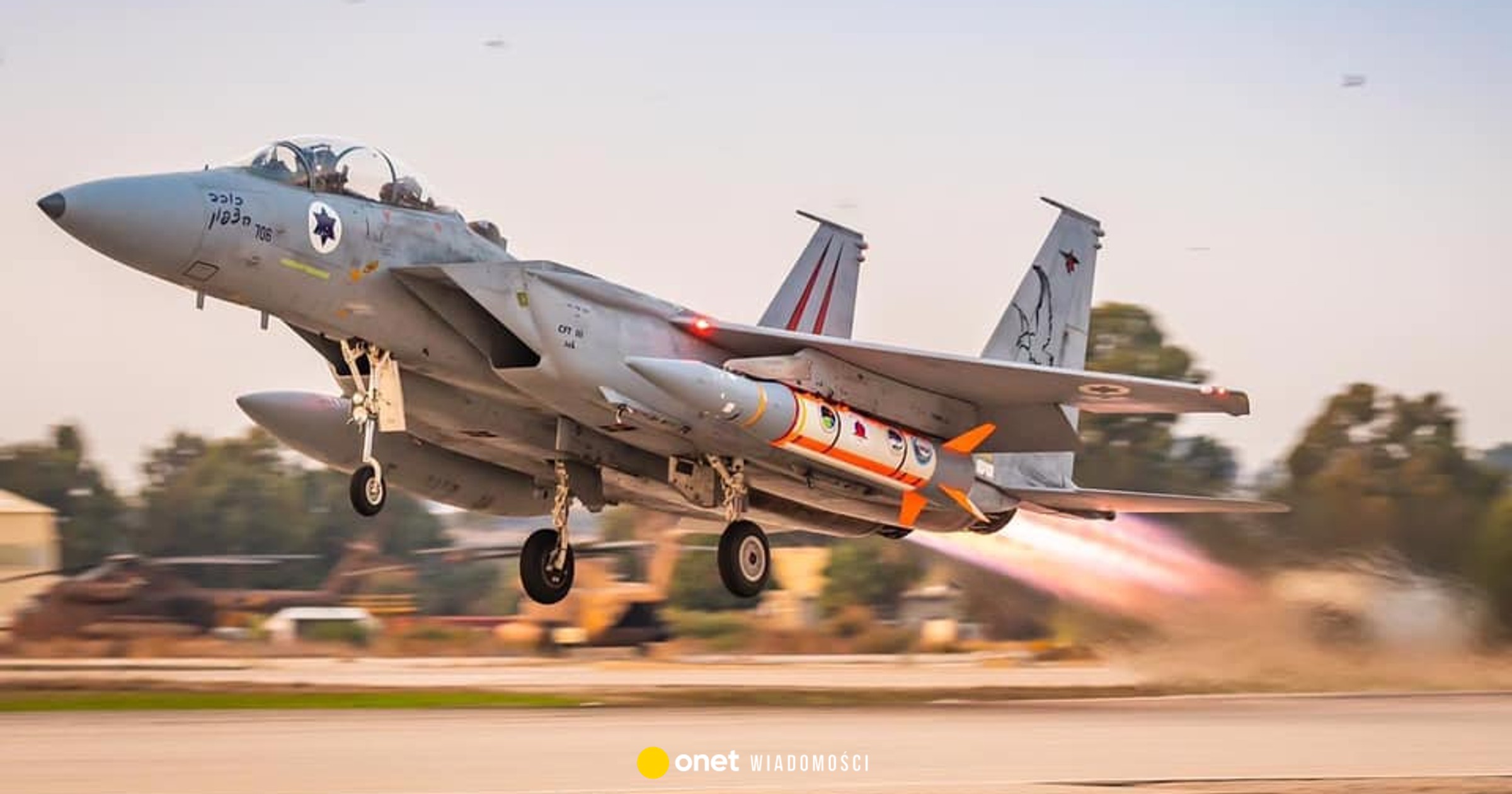
Well, the dynamics that took place then does not continue. Nevertheless, the regime is very terrified. During the Israeli bombing, the so -called The leader of the revolution Ali Chamenei was hiding in the underground bunker. The rulers have already prepared the escape of their families. The attacks caused serious damage to the regime, especially his supervision and control apparatus, and the ability to repress his own population. However, the regime cannot be overthrown from the outside. You need further resistance, demonstrations and strikes, as well as camera erosion from the inside. Today's members of the regime must become part of the solution.
In an interview with Politico, you said that over 50,000 have already contacted online platforms. potential deserters. Are there also high -ranking representatives of the clergy or paramilitary elites of the revolutionary guard?
There are signs that there are very significant members of the regime among them. However, we still have to check it. Finally, you can imagine that the rulers in Iran want to cheat us by sending false deserters. The first signs are very encouraging. However, there is a lack of appropriate international conditions.
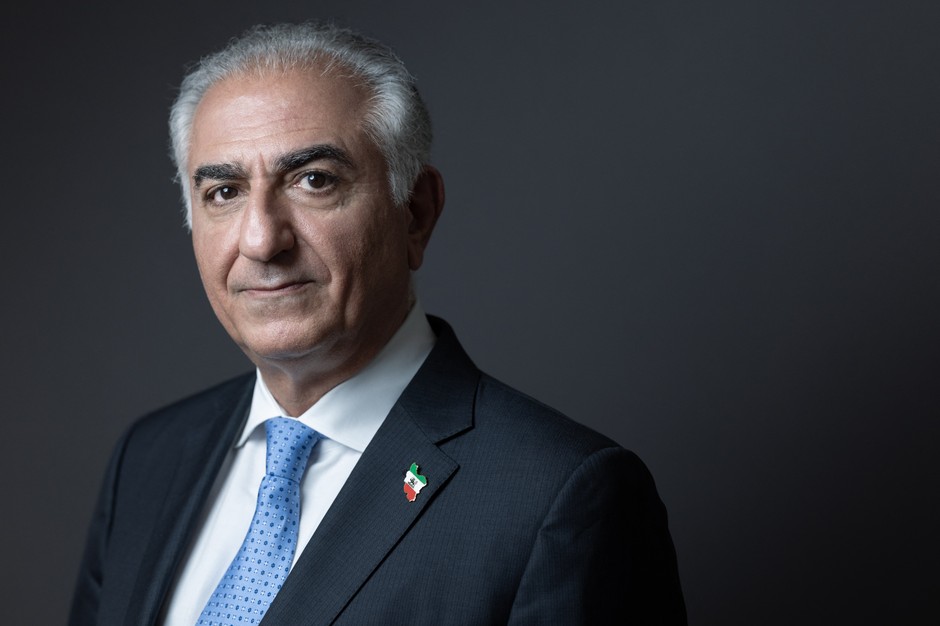
Cyrus Reza Pahlawi, the eldest son of the last Shah of Iran Mohammad of Pahlawi, June 23, 2025.Joel Saget / AFP
How could the governments of other countries accelerate changes?
An effective step would be to recognize the Revolutionary Guard by the EU as a terrorist organization. Many European governments continue to hesitate and focus on calming down, hoping that the regime will change. Many are also afraid of European prisoners in Iran. In confidential conversations, many mandatarzy admits that the EU has become a hostage of these hostages. But each concession extends the life of this regime. Anyway, I have the impression that the new German federal government perceives this regime much more realistically than its predecessor. The Germans finally removed pink glasses.
On Friday, negotiators from Germany, France and Great Britain met with representatives of Iran to resume negotiations on the nuclear program. What do you think about it?
The attempt to convince Iran to give up the desire to have nuclear weapons through negotiations was unsuccessful. Instead of still counting on the reason for the regime, Europeans should rather initiate the restoration of comprehensive sanctions against Iran, which was in force until 2015. Finally, Tehran made it clear that he is not ready to give up potentially dangerous enrichment of uranium in his own country. Quite the opposite: the mullads even want to speed up this process even more. The regime just wants to gain time to get closer to the bomb. Such a movement could prevent this, and at the same time give opposition to Iran a chance to change the regime.
You expressed understanding of Israel for Iran's bombing. Currently, it seems that Israelis are considering bombing Iran, if the Islamic republic proves to be reluctant to cooperate in atomic negotiations. Would you support again?
The fact that these attacks occurred at all was also a consequence of the West's too submissive diplomacy. This does not mean, however, that after diplomacy failure, you should immediately go to military resources. There is a third possibility, and they are the inhabitants of Iran. Let the Iranians change and free themselves. The Iranians are ready for changes, but did the world ever really support them in it? Now that the regime is significantly weakened, we have a unique opportunity. This historical moment should be used.
Until now, the West hesitated before the direct support of the opposition in Iran, fearing that it would discredit this resistance movement.
But you supported Nelson Mandela, the Solidarity Association in communist Poland, as well as libertarian movements in Latin America. In all these cases, external help was decisive. Why would Iran be an exception? Please read what demonstrators in Iran write on the banners: “Death to the dictator!” – Also in English and French. Not because Iranians want to improve their knowledge of foreign languages. This is a direct message to the free world. The Iranians want the West to finally take action.
What should we do?
Advising foreign governments is always a delicate matter. We don't want direct intervention. We do not ask for alms. However, there are two elements that are decisive for overthrowing the regime. One of them is free access to the Internet so that the population can obtain information and the opposition could coordinate. For this purpose, Iran needs proxy servers that will bypass the filters and supervision of the regime, as well as better access to satellite data transfer. The second element is money. For example, protests must be financed. Due to the current sanctions, it is very difficult to send money to Iran. It would be very helpful to alleviate financial sanctions so that you can support the families of strikers of factories or dissidents or political prisoners staying abroad.