The Chinese will pierce themselves. The construction of the largest dam in the world has started

2025-07-21 08:07
publication
2025-07-21 08:07
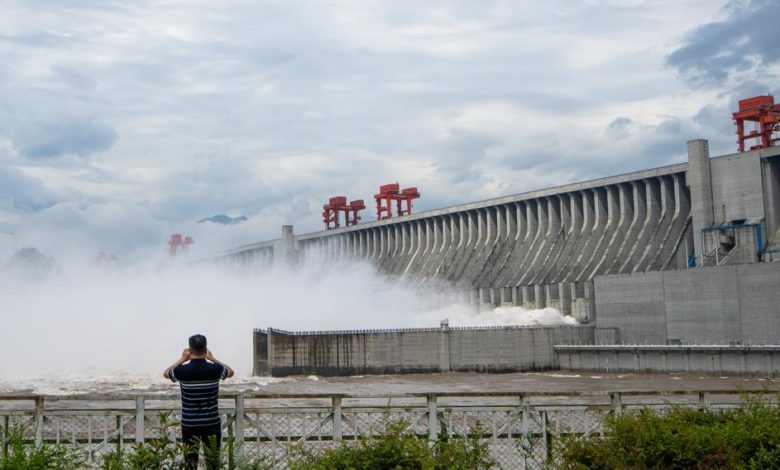
In the PRC, the construction of the world's largest dam and hydroelectric power plant began on the Yarlung Zangpo river in the autonomous region of Tibet – state media reported. An investment worth $ 170 billion is to be the largest undertaking of this type since the time of the dam of three breakthroughs and ultimately produce 300 billion kWh of energy per year.
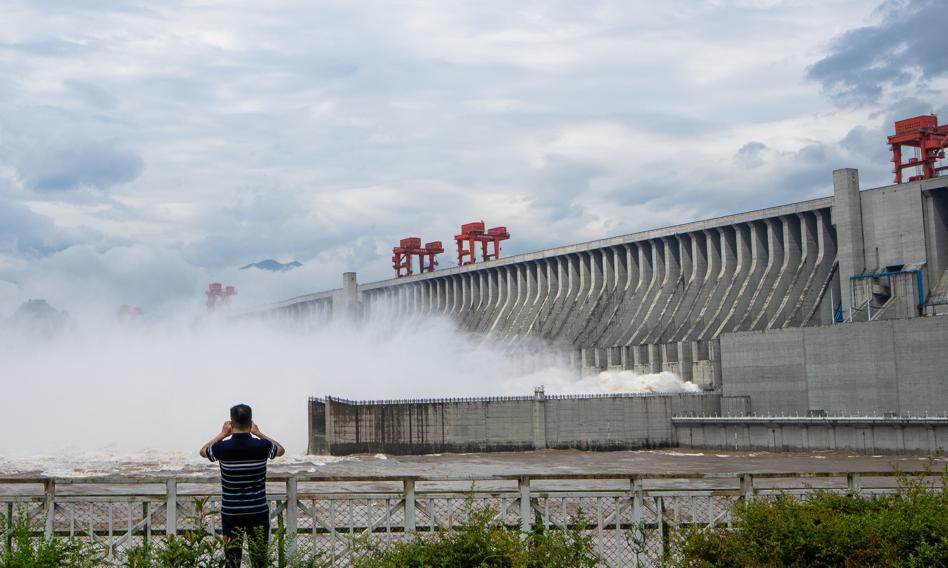
The State Chinese media announced that the premiere of the foundation of the foundation stone was attended by Prime Mini Li Qiang.
The investment, whose value, according to Xinhua agency, is estimated at 1.2 trillion of Yuan, provides for the construction of five cascade power plants and is to be put into use in the 1930s.
Advertisement
Beijing claims that the dam, called by the prime minister, “project of the century”, will meet energy needs mainly in other regions of China, but also in Tibet, without significant influence on water resources and ecosystems.
The Yarlung Zangpo River with a length of about 1700 km begins on the Jiema Yangzong glacier near the Kailas mountain in the southwestern Tibet, then expands and becomes the Siang River in India, and then falls into Brahmaputry.
In January, India expressed their fears to Beijing, declaring monitoring the situation and taking the necessary steps to protect their interests.
Also, non -governmental organizations such as International Campaign for Tibet warn of threats to the natural environment of the Tibetan Plateau.
The news of the start of construction caused significant increases on Chinese stock exchanges, especially in the engineering and construction sector – notes the Reuters agency.
The project is implemented in the context of competition between Asian powers, India and China, which divide thousands of kilometers of disputed borders, as well as China's aspirations for energy self -sufficiency and carbon neutrality.
From Beijing Krzysztof Pawliszak (PAP)
KRP/ AP/