The Russian army uses prohibited chemical weapons on the front as a “standard operating procedure,” says the Vice -amiral that leads the Holland Intelligence Service. “We have noticed ourselves”

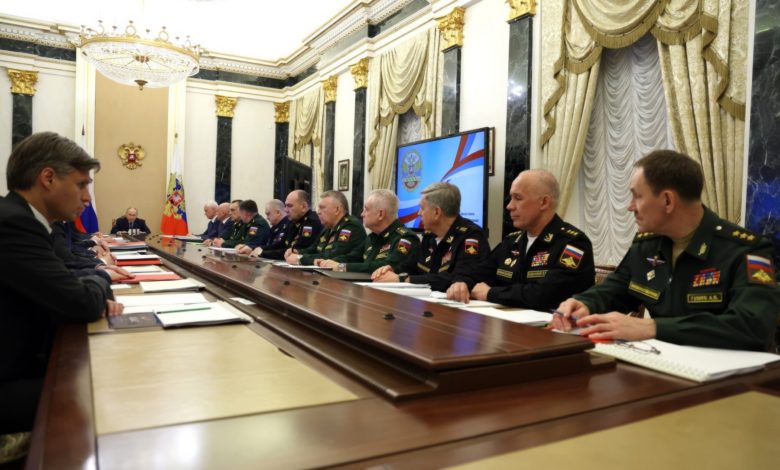
Dutch intelligence services have gathered evidence of widespread use in Ukraine by the Russian armed forces forbidden chemicals, including throwing a suffocating agent from Done to remove the soldiers from the trenches, so that they can be shot, the Minister of Defense and the head of military intelligence services told Reuters.
Defense Minister Ruben Brekelmans asked for tougher sanctions against Moscow. “The main conclusion is that we can confirm that Russia intensifies its use of chemical weapons,” he said in an interview with Reuters.
“This intensification is worrying because it is part of a trend that we have been observing for several years, in which the use of chemical weapons by Russia in this war becomes more and more normalized, standardized and widespread.”
Brekelmans is the first Dutch official to speak in public about the findings of the Netherlands of the Russia's use of chloropicrine, a prohibited toxic substance, which was initially used by Germany in the First World War.
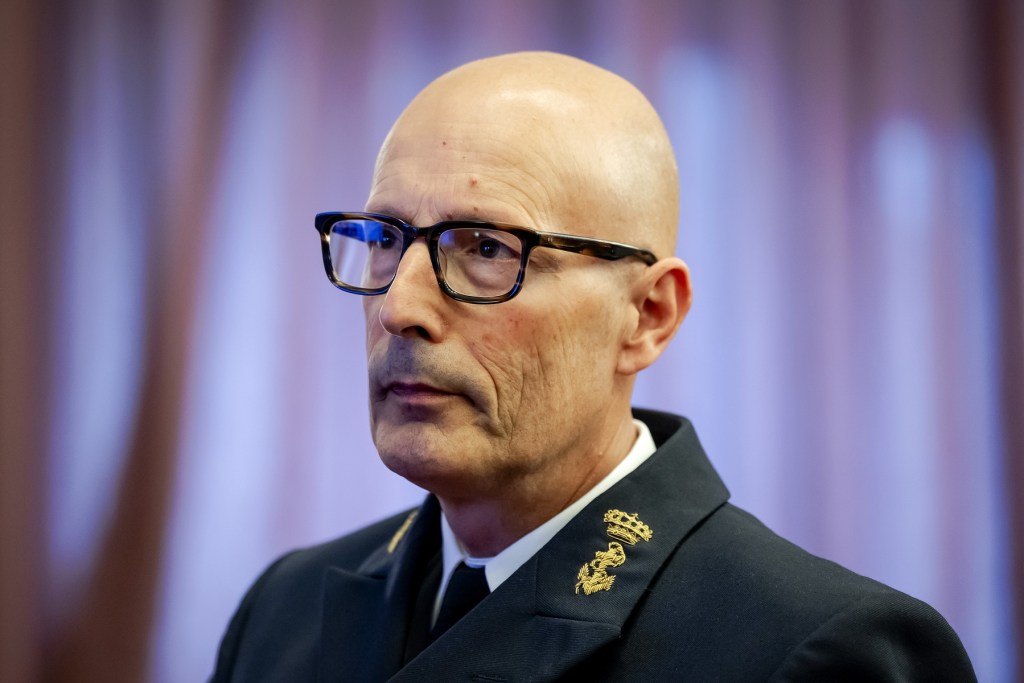
The head of the Military Intelligence Service of the Netherlands (MIVD), Peter Reesink, also told Reuters that these conclusions are based on “our independent information, that is, we have noticed ourselves, following their own investigations”.
The organization responsible for monitoring the use of chemical weapons delayed with an investigation
The United States first accused Russia of using chloropicrin in May last year. Ukraine claims that there have been thousands of cases of chemical weapons by Russia.
The Russian Ministry of Defense did not respond immediately to the request to comment on the article Reuters. Russia has denied the use of illegal ammunition and accused Ukraine of using them.
Maria Zaharova, the spokesman for the Russian Foreign Ministry, said on Wednesday that the Federal Security Service (FSB) from Moscow has discovered an Ukrainian warehouse of explosive devices in the east of the country, containing chloropyrine.
Ukraine has constantly denied these accusations.
The organization for the prohibition of chemical weapons (OPCW), a disarmament agency based in The Hague, which adhered to 193 countries, said last year that the initial accusations made by both sides were “insufficiently founded”.
The OPCW organization was created to implement and monitor the compliance with the Convention on Chemical Weapons (CWC) since 1997. So far, it has not been asked to carry out a complete investigation, which can only be initiated by the Member States.
Thousands of documented cases of use of chemical weapons against Ukrainian soldiers
However, Brekelmans states that at least three deaths among the Ukrainian military were related to the use of chemical weapons, while over 2,500 people injured on the battlefield reported symptoms associated with the use of chemical weapons. The figures were reported by the sanitary authorities in Ukraine.
The Dutch minister stressed that the increased use of chemical weapons by Russia is a threat not only for Ukraine, but also for other countries.
“We need to intensify the pressure. This means to analyze the imposition of new sanctions and, in a specifically, not to allow (Russians) to participate in international bodies such as the Executive Council of the OPCW,” he says.
Reesink, the head of the Military Intelligence Service, speaks of the “thousands of cases” for the use of chemical weapons, invoking a figure provided by Ukraine of approximately 9,000 incidents.
Two -year rotary places in the OPCW Executive Council will be negotiated in the coming months. The conclusions of the intelligence services are to be presented on Friday in a letter to the Dutch Parliament.
Russia is a member of the OPCW and states that it has destroyed its stocks of chemical weapons. New sanctions could be introduced in collaboration with the European Commission, which proposed the inclusion of 15 new entities and persons in the sanction regime, including for the suspicious use of chemical weapons in Ukraine.
Dutch intelligence services say that Russia intensifies its production of chemical weapons
Dutch agencies of military and general information, in collaboration with external partners, say that they have discovered concrete evidence of intensifying the production of chemical weapons by Russia.
Reesink states that this includes increased research capabilities and recruiting scientists for the development of chemical weapons. He adds that Russian officials have given instructions to the soldiers on the use of toxic war agents.
“We are not just talking about the improvisations of the moment on the front line, but it is really part of a large-scale program. And this is of course, it is worrying, because if we do not expose and do not do what Russia does, it is very likely that these trends continue,” says Reesink.
He describes the use of chemical weapons by the Russian armed forces as “almost standard operating procedure”.
“We have specifically identified the use of chloropyrine in improvised ammunition, such as filled bulbs or empty bottles that are suspended by a drone. In the case of tear gases, we notice that they are reused and modified existing ammunition to serve as gas carrier,” he explains.
Chloropicrin is classified by OPCW as a suffocating agent. This can cause severe skin, eyes and air irritation. If ingested, it can cause burns in the mouth and stomach, nausea and vomiting, as well as respiratory difficulties or choking sensation.