Chaos on the border, tension between Poland and Germany. How did this happen?

Relations between Germany and Poland have been tense for a long time. Right -wing populists in Poland have proved that it is politically worth fueling anti -German moods by using historical resentments, namely the invasion of Nazi Germany in 1939 and an extremely brutal occupation of their country. The government of Law and Justice willingly fueled these regretsdemanding from the Germans reparation of PLN 6.2 trillion. Germany's answer, in short, was: Nein.
Another long -term and main dispute was Germany's pursuit of close economic ties with Russia Until the full invasion of Vladimir Putin to Ukraine in 2022 – despite multiple warnings from Polish and other Eastern European leaders that this policy is a terrible mistake.
Continued article under video material
Even in 2006, the then defense minister Radosław Sikorski – currently the Minister of Foreign Affairs – compared the plans to build the first Nord Stream gas pipeline, which would provide Russian gas directly to Germany, down Pact Ribbentrop-Mołotow from 1939-non-aggression agreements between Nazi Germany and the Soviet Union. – Poland is particularly sensitive to the corridors and arrangements above our heads – said Sikorski at the time.
Merz wanted to fix relations with Poland. It did not work out
When in May a German conservative Friedrich Merz was sworn in as Chancellor, he promised a new beginning in relations with Poland. Merz seemed to have the perfect partner in the person of the center prime minister of Poland, Donald Tusk. In 2024, Tusk undertook a politically risky move, abandoning the demands of the reparation of the previous PiS government in order to improve relations with Berlin. Both leaders have a lot in common when it comes to their hawks about the need to help Ukraine and drastically strengthen the defense of Europe to stop Putin.
The first full day of office, Merz went to Warsaw to announce a new beginning in relations between the two nations. “In the heart of Europe, a close Polish-German partnership must be something obvious,” Merz wrote at the X. “We are working on it with all my strength!”
But Merz managed to collapse immediately, trying – or at least making such an impression – fulfill the promise from the election campaign about dealing with immigration from the first day of office Under the pressure of its main political enemies, the extremely right -wing Alternative for Germany (AFD), currently the largest opposition party in parliament.
Just a few days after Merza took office, his interior minister announced increased controls at the Germany borders and the policy of turning the applicants for asylum. New funds, as the minister said, were “signal for the world” that Germany is becoming hard in terms of migration.
According to experts for migration, restrictions at the borders turned out to be mainly an etude at the Political Theater, because only caused a nominal difference in the number of people applying for asylum, which was refused to enter Germany. According to the data of the German Police Trade Union, new inspections led to the rejection of 160 people applying for asylum on the border during the first four weeks
“Paradoxically, the whole thing is a bluff anyway,” Migration Expert “Welt” told the German newspaper this week. The German court found the practice to be incompatible with the EUalthough Merz's government announced that he would continue this policy anyway.
Merz and Tusk under the pressure of populists
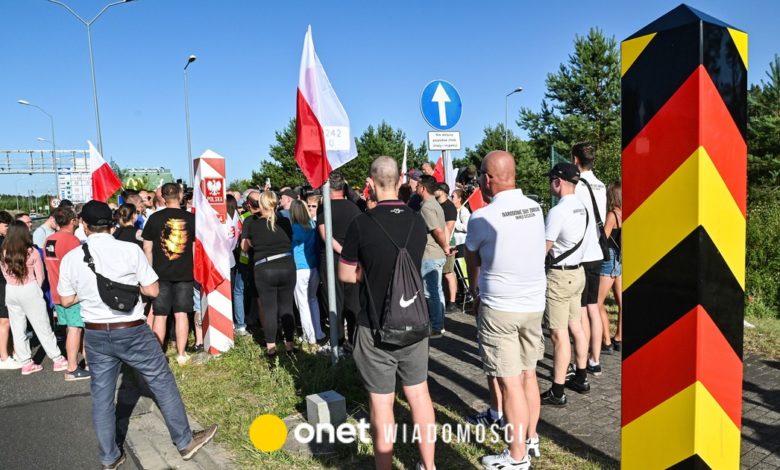
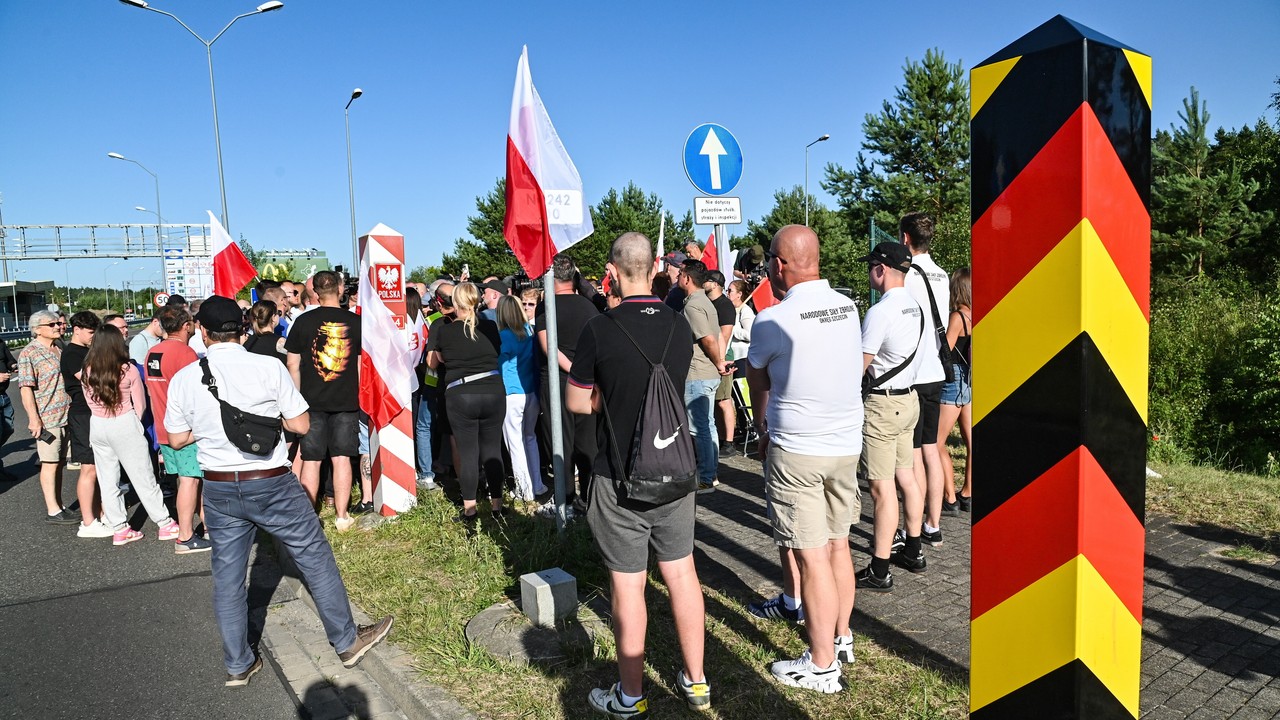
However, combating illegal immigrants on borders had a very real effect in the form of harassing ordinary Poles through Traffic density at border crossings that should be free and open under Schengen. This ensured political fuel of PiS politicians in Poland, who suggested that the Germans were massively turning illegal immigrants to their country.
“The western border of Poland ceases to exist,” warned Mariusz Błaszczak, a high -ranking PiS policies last week, blaming Tusk for “Slavor to Berlin.”
Tusk, under political pressure, announced retaliation border controls this week. Warsaw's patience towards Berlin “exhausts”said the Polish prime minister, announcing an introduction of control at the borders with Germany, as well as with Lithuania.
Merz needs good relations with Poland, growing military power to achieve his goal, which is the independence of Europe from the American defense forces. However, his relations with Poland are threatened because Both sides are inner pressure. At the same time, Merza's government showed that it is willing to ignore the existing European asylum law and weaken Schengen mainly due to the optics of “sending messages to the world”.
Merz claims that he is working on practical, joint EU solutions in everything, from migration to defense, what Some may want to call an attempt Realpolitik. However, he should be careful that his symbolic policy does not undermine his position first.