Scientists draw attention to the alarming growth of obesity among children. When is the “critical” period for their development

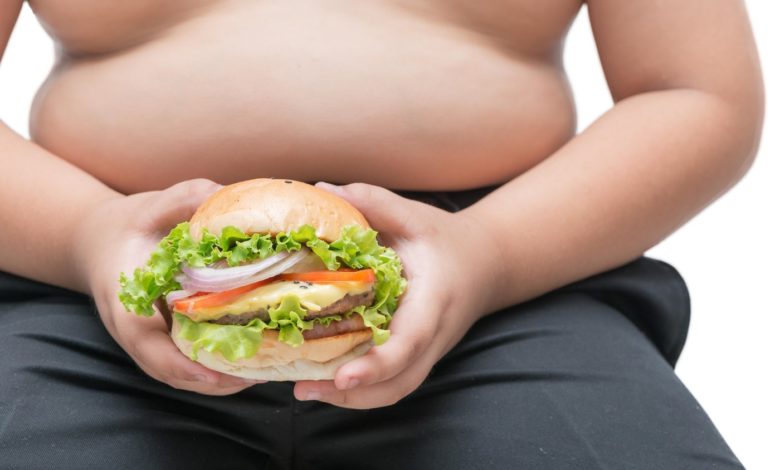
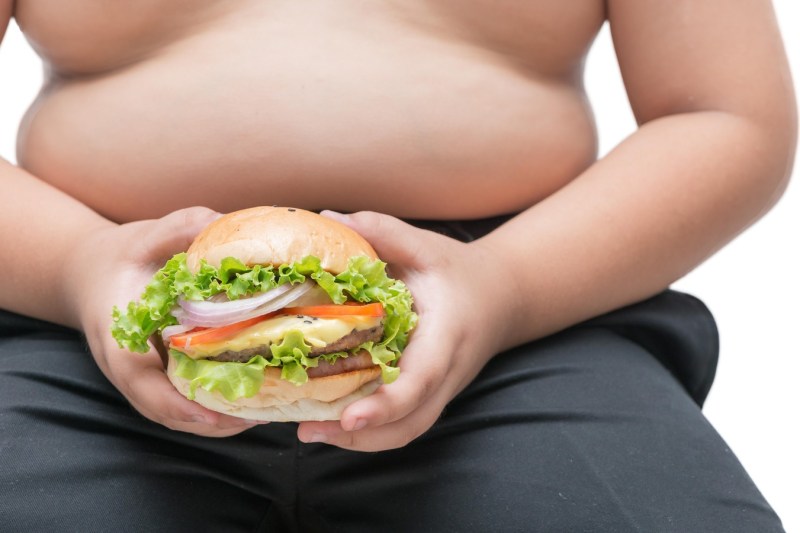
Obez child preparing to eat a hamburger, illustrative image, photo: Kwanchai Chai -ux / Alamy / Profimedia Images
Infantile obesity has increased to alarming levels, according to a report by scientists from the British Academy of Medical Sciences and at the National Academy of Sciences in Italy, who have launched an action to combat unhealthy living styles, the DPA Agency reports on Wednesday.
According to these experts, children's trajectories in terms of nutrition or physical activity are fixed from the first years of life “and it becomes difficult to change them after the age of 5”.
They argue that the first 1,000 days of life, from intrauterine life and up to the age of 2, are of importance “critical for development and health throughout life”, and have launched an appeal to act early to prevent children's obesity.
These actions include helping women start tasks at a healthy weight; Encourage breastfeeding, which is correlated with a low risk of childhood obesity and avoiding “speed recovery strategies” in children who are born with lower weight.
“The general objective must be achieving and maintaining a healthy growth trajectory that avoids excess accumulation in the early years,” according to Italian and British researchers.
Infant's obesity is a major problem in Romania too
In the UK 1.3 million children are obese and another 2.3 million are overweight, according to the authors of this new report.
The data of the Directorate of Public Health in Romania, published on March 12 on the occasion of the World Day to fight obesity, show that in our country 32% of boys and 28% of girls in the age group between 7 and 9 are overweight or suffer from obesity.
In Romania, the figures are also worrying at the beginning of adolescence: 22% of boys and 14% of girls between the ages of 11 and 15 are also facing excess weight: overweight or even obesity.
The authors of the new report drafted by researchers from the UK and Italy highlight how certain interventions “such as diet and physical activity, in single cases”, rarely work without taking into account other factors that can contribute to childhood obesity.
The report argues that the presentation of obesity as a “character defect” leads to stigmatization that can be counterproductive and can increase the risk of a diet and an unhealthy lifestyle, but positive messages regarding maintaining a healthy body weight could have better effects.
“An urgent challenge” for public health
“Infantile obesity has become an urgent challenge for public health, affects lives currently and accumulates problems for the future,” notes scientists in the new report.
They highlight how the levels of obesity in disadvantaged areas generate a “vicious circle” because obesity is correlated with reduced opportunities to have a job, which in turn becomes a risk factor.
The new report has been released in the context in which the British government is preparing to launch its 10-year-old health plan, which focuses on preventing diseases.
According to new proposals, food stores can be forced to fix targets to increase sales of products that do not lead to consumers' fattening.
Researchers call on food industry regulation
The authors of the new report argue that the “robust” regulation of the food industry is necessary rather than the basis on voluntary agreements, the evidence supporting the policies for taxing unhealthy products and the subsidization of healthier products.
“The first 1,000 days, including the intrauterine period, is an important window to straighten the children on a healthy trajectory,” said Professor Susan Ozanne, coordinating the report.
“Once obesity is reached, this condition is becoming more and more difficult to reversal. This is not about the power of each or social shame – it is about creating an environment for parents, carers and their children to support a healthy development from the beginning,” she added.