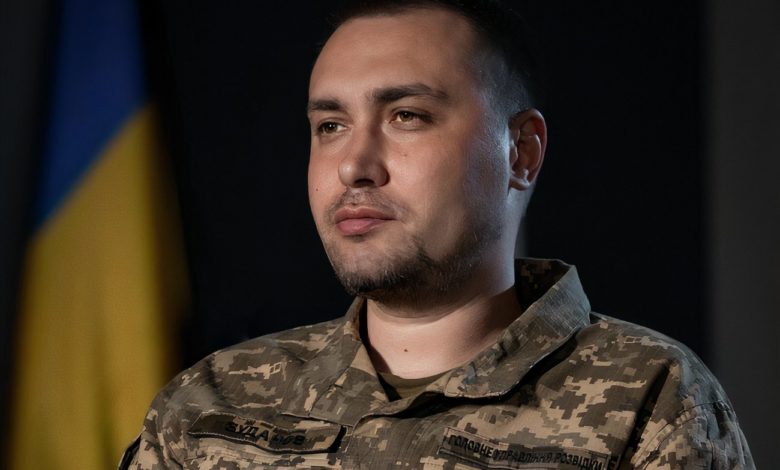
“Well, I’m sorry to disappoint you, but the Russian Federation does not depend so much on deliveries from Iran,” Budanov said. “In the end, only components come from Iran. This is mainly gunpowder. Yes, this process has slowed down a little … Let's say that you will seriously see this delay and slowdown. Shahed has already begun to produce in the Russian Federation.”
Budanov assured that Russia would also not help Iran, although it can do it purely technically. “Will she do this? No, will not do it. The explanation for this lies in the plane of geopolitics,” he explained.
The head of the GUR said that the technology of assembly of Shahed first came from Iran to the Russian Federation, and then from the Russian Federation to North Korea. As he noted, commenting on Russian military assistance to the DPRK, now the Russian Federation actively carries out technology transfers and establishes the production of weapons in the DPRK.
Context
The Telegraph on June 25, citing Western officials, wrote that Iran’s war against Israel could lead to a reduction in the supply of Iranian ballistic missiles to the aggressor country. Officials added that Russia will have to produce its own missiles or rely on deliveries from North Korea.
Colonel Ants Kiviselg, commander of the intelligence center of the Armed Forces of Estonia, in an interview with ERR, published on June 20, noticed that Israel attacked a drone factory in Iran, and Ukraine regularly strikes the production of the same UAVs in the Russian Alabug. He suggested that because of this, the intensity of Russia's use of drones may decrease.