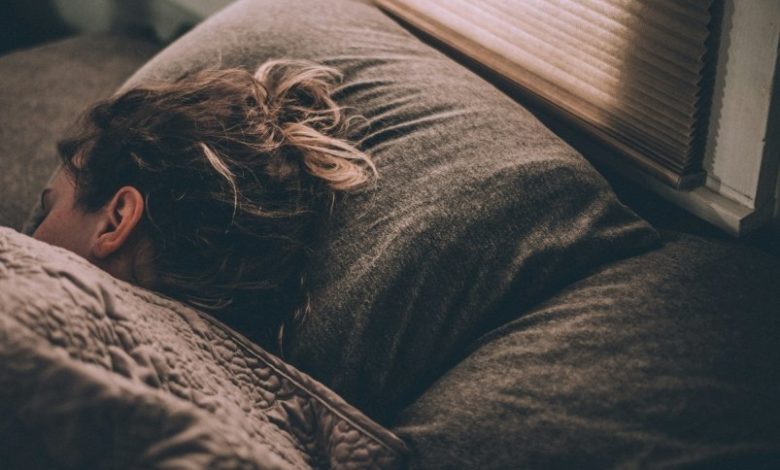
Before the appearance of electricity, everything was different: the day ended with a sunset, and at night no one spent eight hours under a row under a blanket. People really slept longer, about ten hours, but with interruptions, IA EAOMedia explains. The dream was divided into two parts: at first several hours – “first dream”, then an hour – two wakefulness and again a dream until morning.
Studies of historians, like Roger Crew confirmed: a two -phase dream was widespread throughout Europe and America. People went to bed shortly after sunset – about 9 – 10 pm. We woke up closer to midnight, and at this hour – two did anything: they prayed, read, melted the stove, just sat in silence, and then fell asleep again. All together gave the same 8 to 10 hours of sleep, but not in a row, but with a “pause” in the middle.

When electricity came to the houses, much has changed. The light became accessible at any time, and people began to go to bed later, and the system of two -phase sleep left, the usual “sleep from midnight to seven” appeared. But during this time, the daily rhythm of a person changed – the light began to interfere with the production of melatonin, we began to sleep less and not so deep. Interestingly, many scientists believe: such a “broken” dream, like our ancestors, can even be closer to the natural regime.