A new travel trend called coolcations (from the combination of English words cold and holidays) consists in avoiding the most popular summer directions in Europe in favor of cooler places – such as Nordic and Baltic countries.
For some, travels in July and August to Mediterranean countries, such as Italy, Greece and Spain, lost their splendor.
Instead, the growing wave of vacationers seems to prioritize summer trips to northern Europe to escape from the burning heat.
“If we go back to the Pandemic period, until 2022, and even until the summer of 2023, then southern Europe simply enjoyed great popularity,” said James Thornton, general director of IntrePid Travel, in an interview with CNBC.
“It was crowded, often expensive and you could observe various natural challenges – often resulting from climate change,” said Thornton.
As he assessed, in 2024 and 2025 the demand for traveling in the peak of summer to northern Europe increased.
A cool vacation in Scandinavia, Estonia and Iceland. A new trend is coming
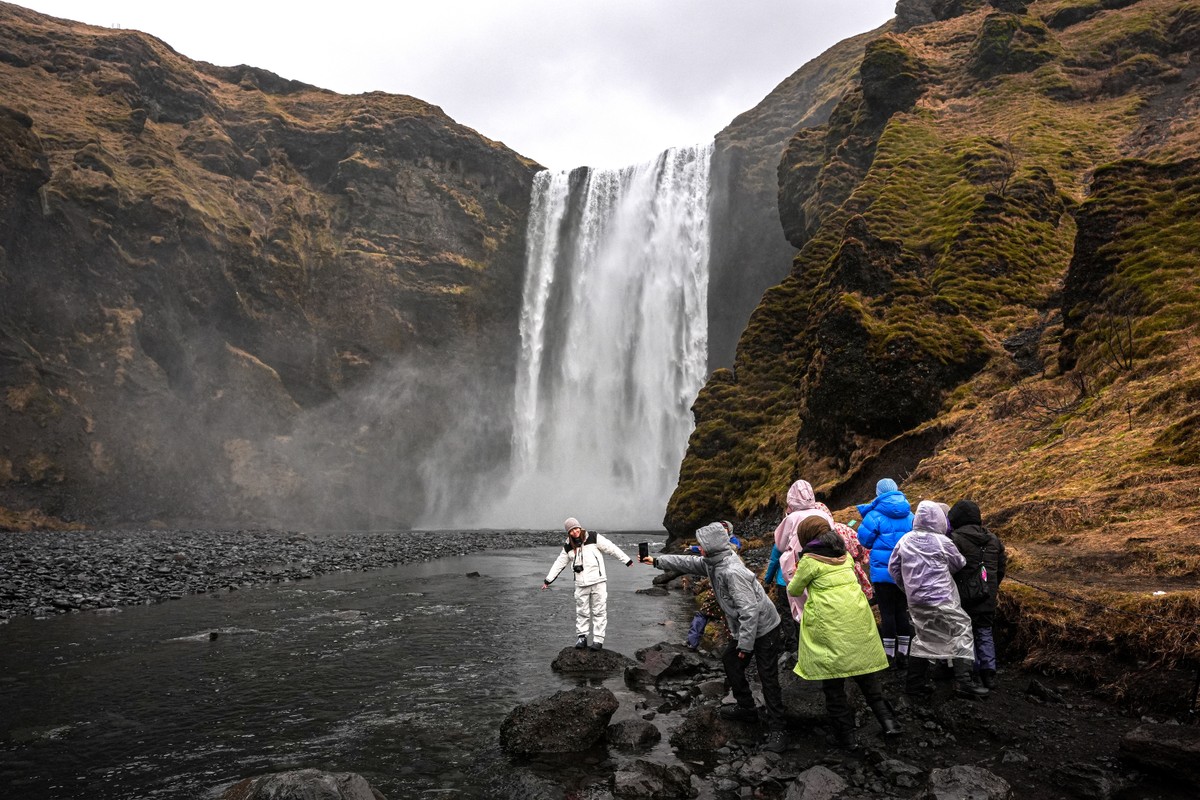
Intrepid Travel recorded 50 % Increased travel reservation to Iceland, Estonia and Scandinavia during the July-August, while the reservations to southern Europe moved to transition periods.
Intrepid Travel reservations to Italy in the period of April-June and September-October increased by 16 %, while reservations to Greece in the same periods increased by 37 percent. On the other hand, holiday reservations in southern Europe in July and August fell by 15 percent.
Thornton expects this trend to persist in the coming years. “It seems that the days of summer holidays in southern Europe can be counted,” he assessed.
Baby Boomers are fed up with heat
Interestingly, the two largest motorbreaks of the Coolcation trend are representatives of the generation of the Demographic Turtle (the so -called Baby Boomers) – born between 1946 and 1964 – and people traveling for the first time between 18 and 35 years old, said Thornton from IntrePid Travel.
“Growth has been largely from the generation of the Demographic Turtle, people aged 50 and 60. Children left the house, the mortgage has been repaid, they have more free time to leave and explore the world, and perhaps they are less affected by pressure of maintenance costs,” said Thornton.
“The second group is actually at the opposite end of the scale. They are people traveling for the first time (…), often powered by experiences more than having, and the reality of having a home … is less important or perhaps less achievable.”
The rest of the article under video material:
The climate sets trends in tourism. “Coolcations” are gaining popularity
Last year, Europe survived the warmest summer in history, and activists warn that record high temperatures in March can contribute to the occurrence of even sharper waves of heat and fires in the coming months.
“Trend» Coolcations “reflects the conscious decision of an increasing number of consumers to avoid the most intense summer heat and fires that occur in some parts of the world every year,” said CNBC Jenny Southan, CEO Globetrender, a trend forecast agency.
“Instead of completely avoiding places with high traffic on the Mediterranean, they travel in spring and autumn, while in July and August they choose places with a more moderate climate, such as Norway and Finland,” she added.
Holidays in Estonia
For North European countries, such as Sweden and Estonia, the developing Trend Coolcations is an economic opportunity.
The Estonian Tourist Council said: “We consider this rather a long -term trend, because other factors, in addition to temperature, will probably also affect consumers' behavior, such as excessive tourism in some popular resorts and the growing desire to escape into calmer places and re -merit with nature.”
Source: CNBC