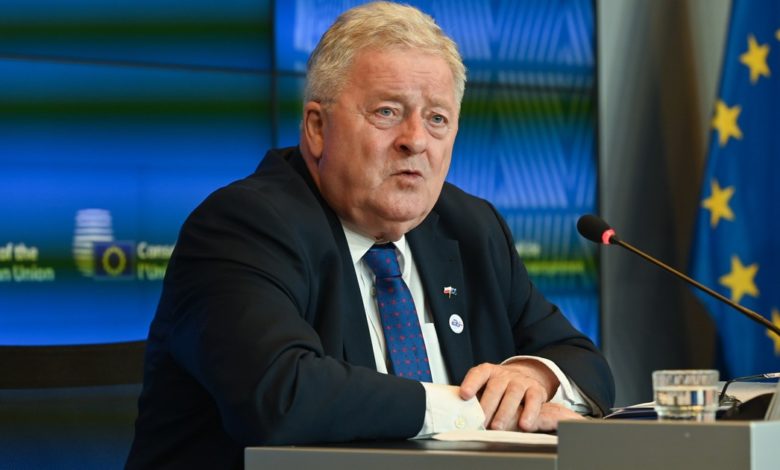
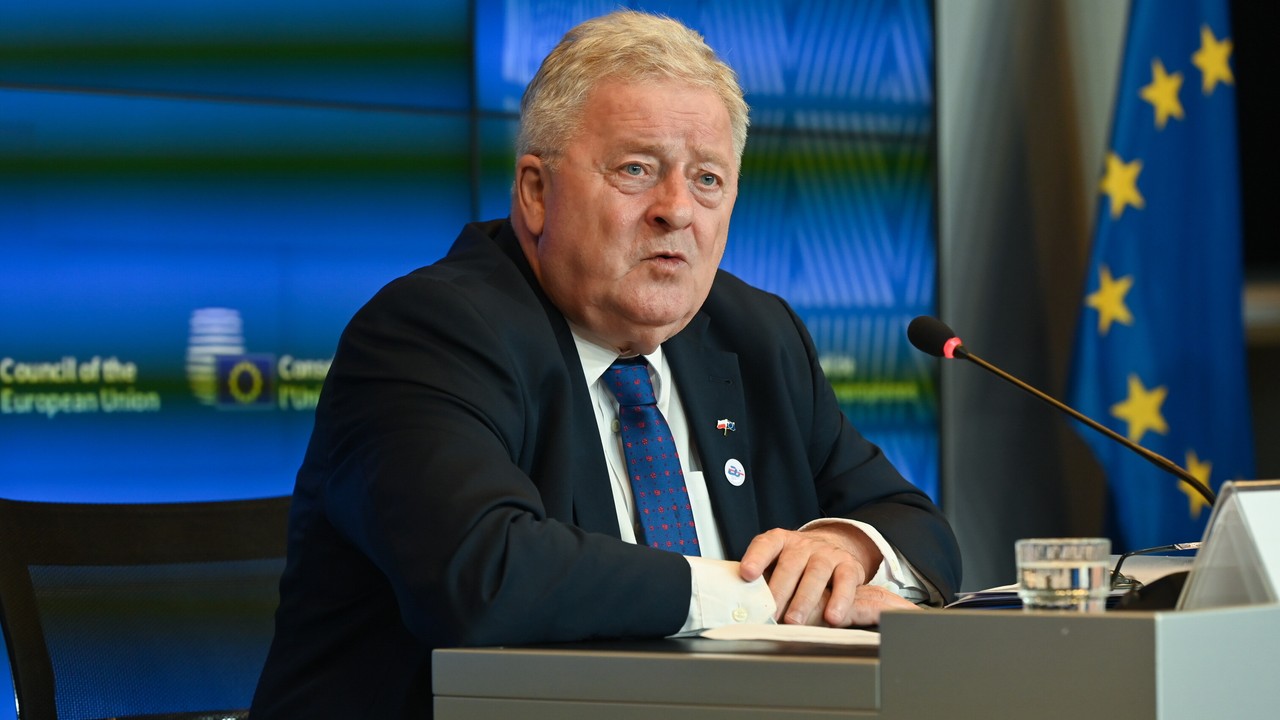
-We cannot agree that (…) tariff contingents are as high as in the period of trade liberalization (after the outbreak of the war-PAP) or even when this liberalization was limited in 2024-2025-said Siekierski at a press conference after a meeting of the heads of the department of agriculture of EU countries in Luxembourg.
After the start of the Russian EU invasion, she decided to abolish duties and amounts to import from Ukraine to support the economy of the country in the war.
Over time, these findings aroused the strong resistance of some EU Member States, especially neighboring Ukraine, which argued that trade was liberalized at the expense of their farmers and economies. Therefore, in June 2024, protective mechanisms were introduced, including amounts for the import of specific agricultural products particularly exposed to the negative effects of liberalization, including eggs and sugar.
Cooperation with Ukraine. Changes from June 2025.
It was decided from these cooperation frames to leave at the beginning of June 2025, when the principles of trade between the EU and Ukraine returned in fact to those that were in force before the war. They are regulated by the 2016 association agreement, which introduced free trade in the area of industrial goods, but left the amounts and duties to agricultural products, competitive for EU agriculture.
At the beginning of June, negotiations on the new contract began. The EU Commissioner for Agriculture Christophe Hansen said that the new agreement assumes higher amounts than those from before the war, but less liberal trade rules than those that were in force after 2022.
Siekierski also announced on Tuesday that – in addition to amounts and duties – another subject of negotiations between Brussels and Kiev is the issue of matching production standards to EU requirements.
– We ask our friends from Ukraine, they did something to match their production (…) to the requirements of Europe. (…) These are difficult challenges – said the minister.