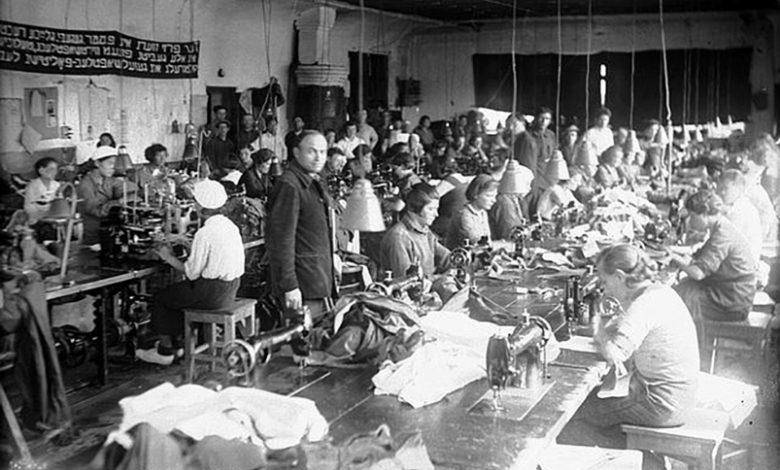
The sewing factory during the war sewed parachutes
Photo: Gosarchive EAO
June 25, 1943
The newspaper “Birobidzhan Star” (12+) published an article by A. Yasinsky “Schirpotreb from waste”, on the experience of the Birobidzhan Sewe Factory during the Great Patriotic War.

“The maximum use of all domestic production resources is the law for each enterprise in wartime. A great interesting experience has accumulated during the war at the Birobidzhan sewing factory.
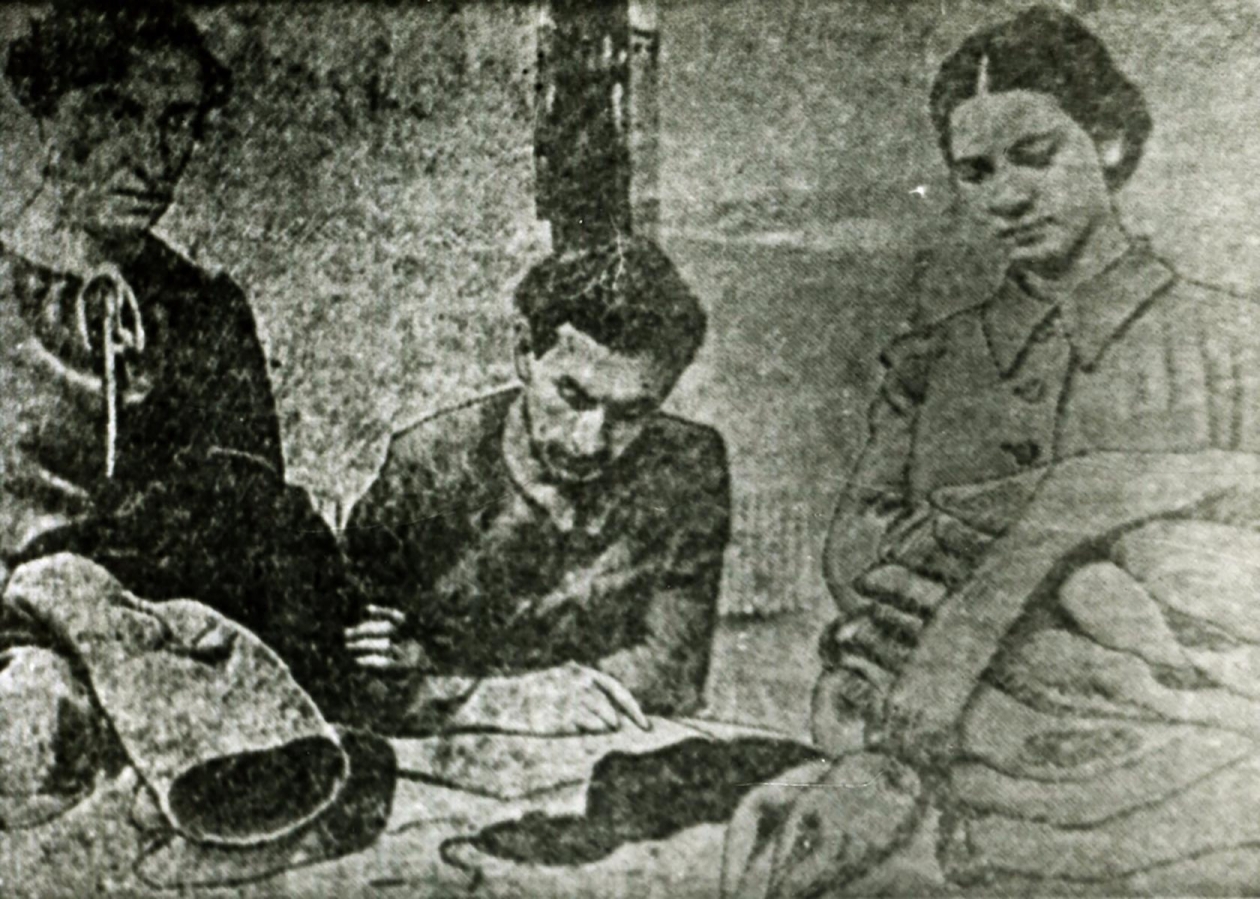
Sewing Factory 1943. Photo: Photo: Gosarchive EAO
At the factory, they learned to find the use of the slightest piece of material. Pieces of clothing, flaps remaining from restoration, falling away after a casual, small end waste of materials, no matter how small they are – everything is in progress. And now during 1941 and 1942. The factory issued a 685 thousand rubles in excess of its main plan of consumer goods for 685 thousand rubles.
Over the 5 months of this year, 48 thousand rubles were manufactured by 48 thousand rubles: there are cotton and summer mittens for working logging, preschool children, a scarf for tractor workers and workers, and hats of ear residues.
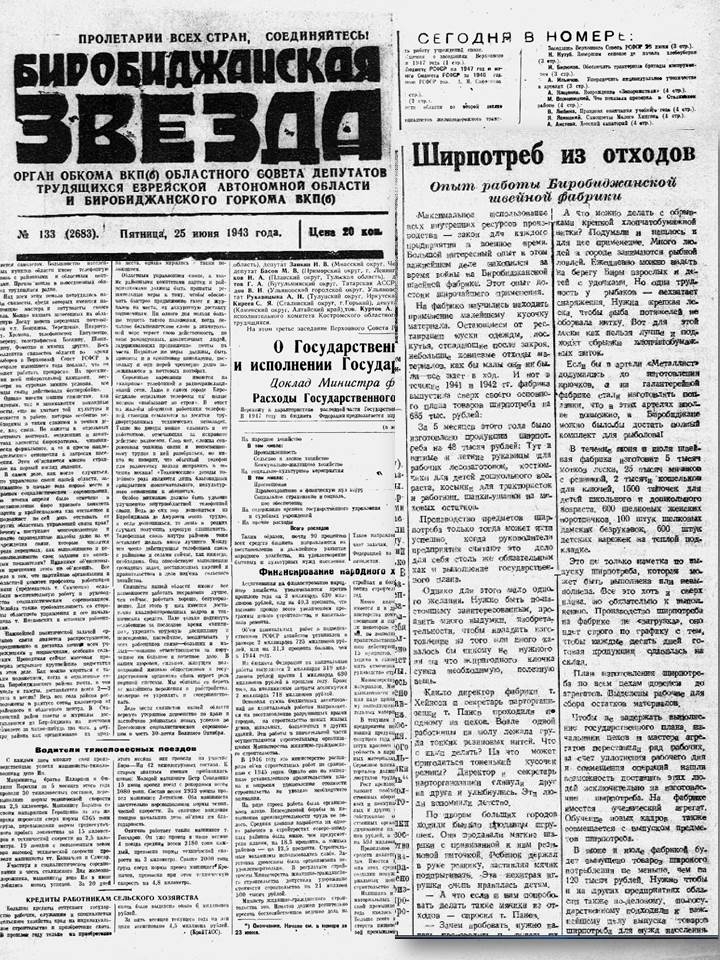
Cutting from the newspaper “Birobidzhan Star”. Photo: Photo: Regional Library
During June and July, a sewing factory will produce 5 thousand skeletons of fishing line, 25 thousand balls with an elastic band, 2 thousand purse for keys, 1.5 thousand slippers for school and preschool children, 600 silk women's collars, 100 pieces of silk ladies, 600 children's mittens on warm lining.
In order not to delay the implementation of the state plan, the heads of the workshops and the masters of the units rearranged a number of workers, due to the sealing of the working day and the combination of operations found the opportunity to put these people exclusively on the manufacture of consumer goods. The factory has a student unit. Training in new personnel is also combined with the release of consumer goods.
In June and July, the factory will produce wide consumption goods for no less than 120 thousand rubles. “
June 25, 1947
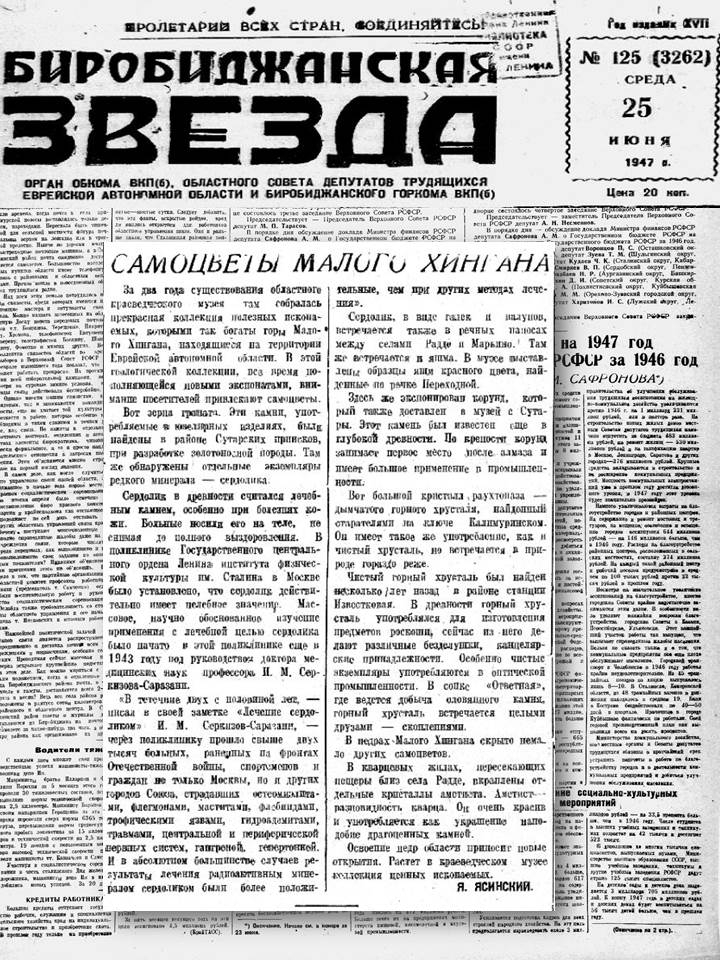
Cutting from the newspaper “Birobidzhan Star”. Photo: Photo: Regional Library
In the newspaper “Birobidzhan Star”, an interesting article by Y. Yasinsky “The Self -Coys of the Small Hingan” was published about the unique collection of valuable limits of the local history museum.
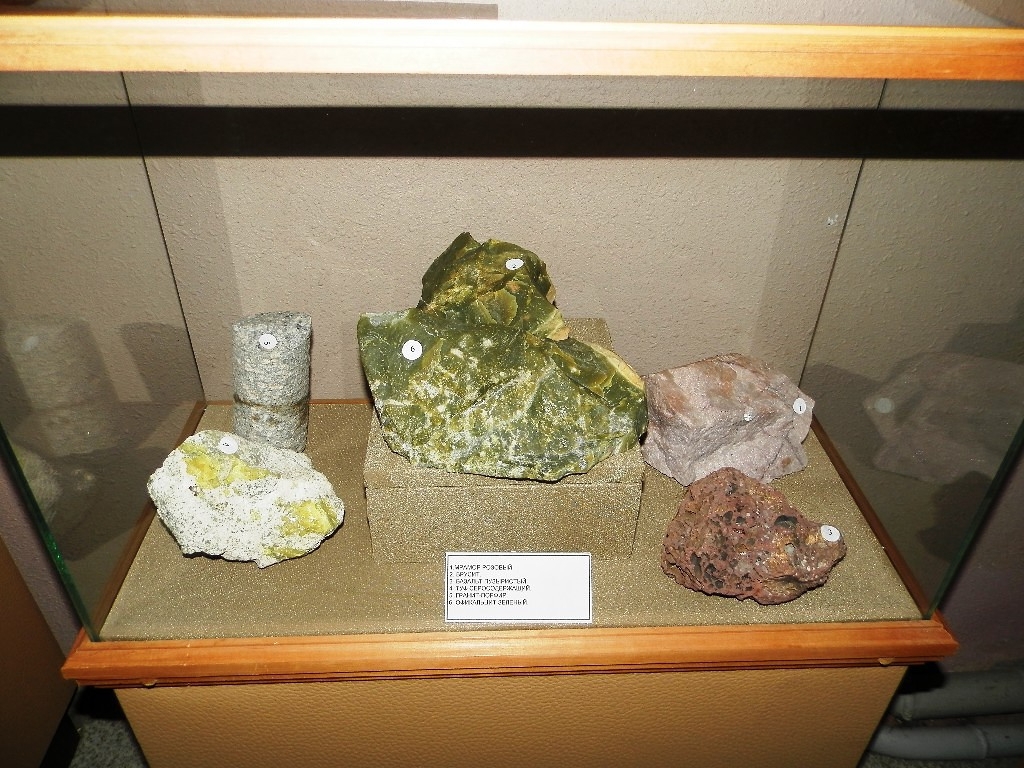
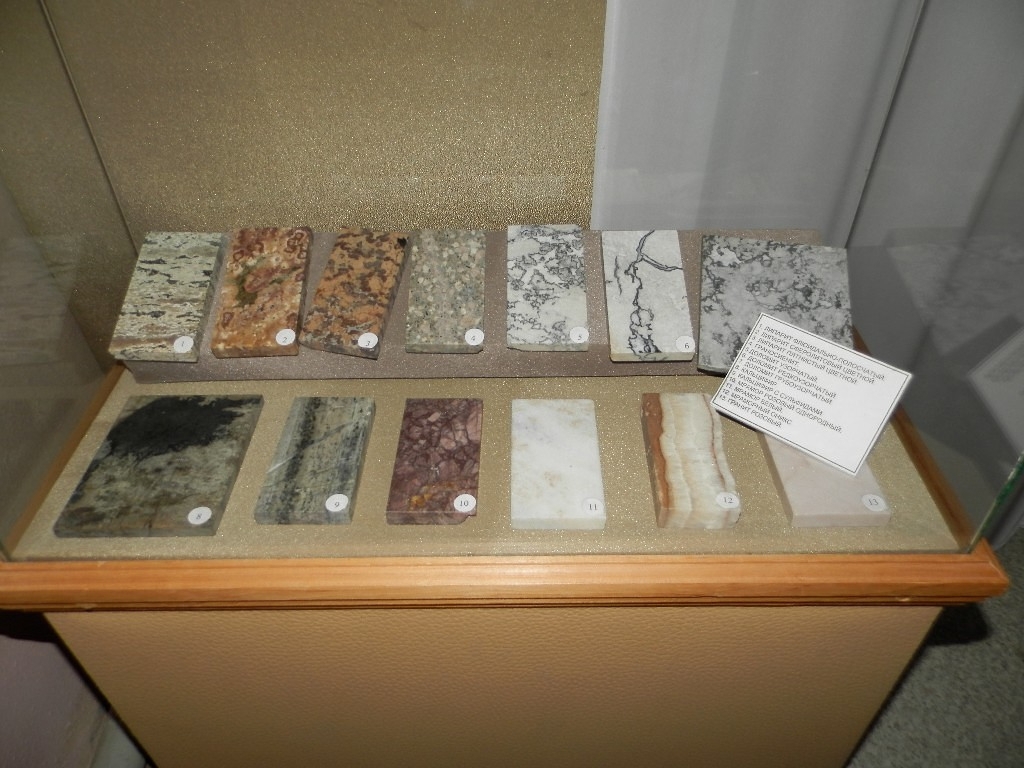
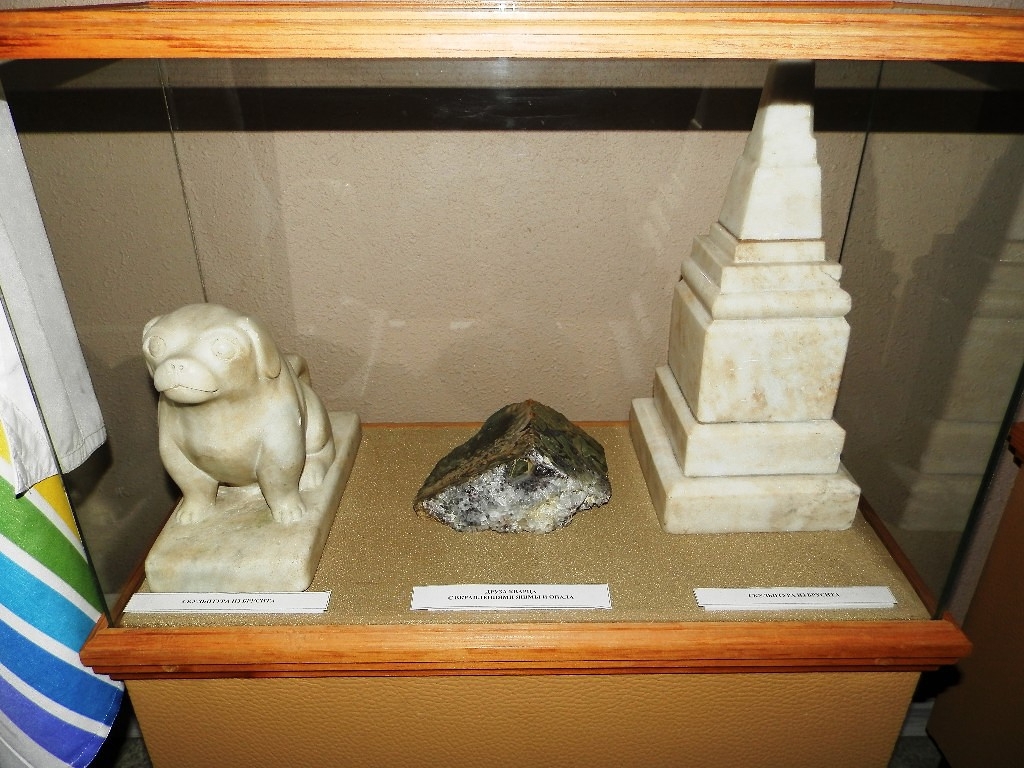
Over the two years of the existence of the regional local history museum, a wonderful collection of minerals gathered there, which are so rich in the mountains of the Small Hingan, located in the territory of the Jewish Autonomous Region. In this geological collection, all the time replenishing with new exhibits, the attention of visitors is attracted by gems.
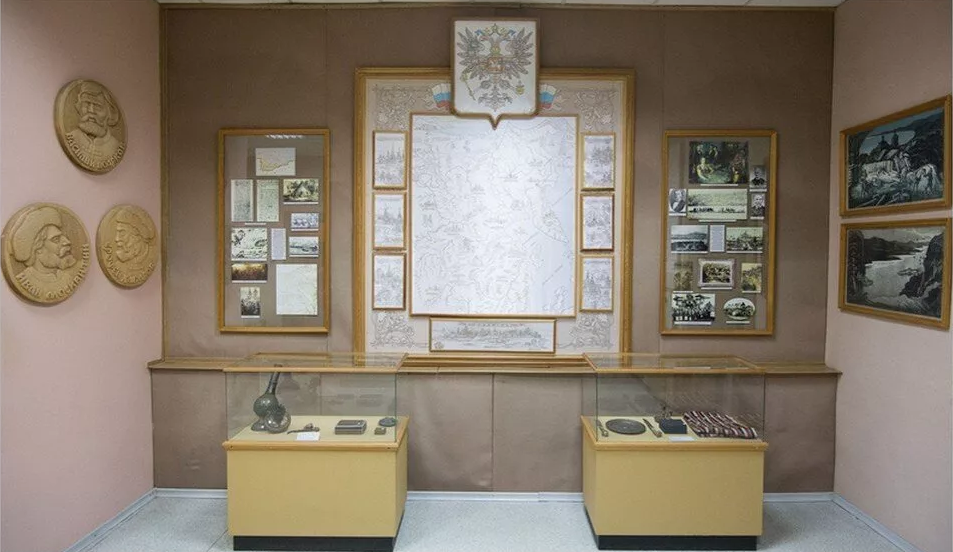
Exhibition of minerals. Photo: Local history museum EAO
Exhibition of minerals. Photo: Local history museum EAO
Exhibition of minerals. Photo: Local history museum EAO
Exhibition of minerals. Photo: Local history museum EAO
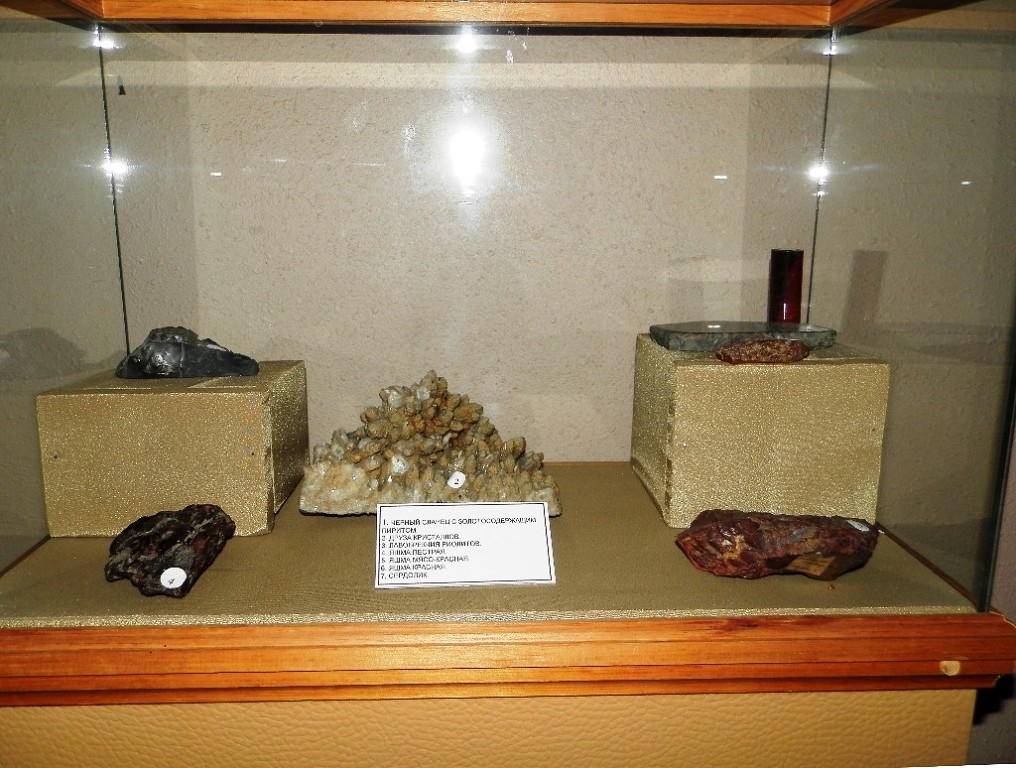
Exhibition of minerals. Photo: Local history museum EAO
Here are grain grenade. These stones used in jewelry were found in the area of the Sutarsky mine, in the development of a gold -bearing breed. There are also individual specimens of a rare mineral – a carnelian.
Cassolik in the form of Galels and boulders is also found in river sediment between the villages of Radde and Maryino. There is also jasper. The museum exhibits red samples of red color found along the transition river.
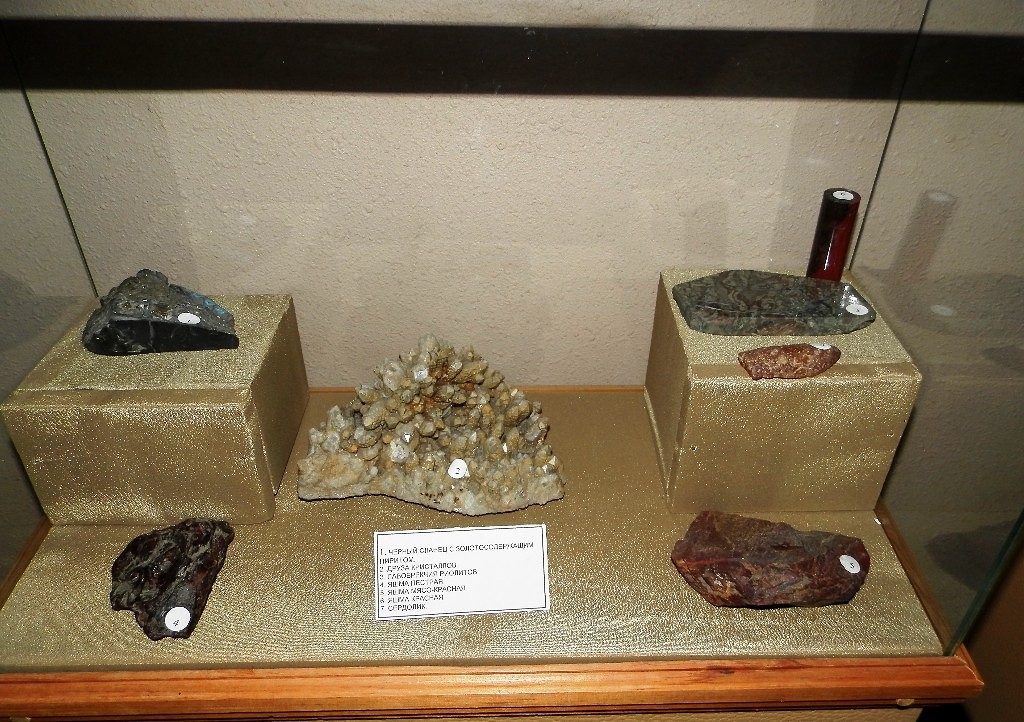
Exhibition of minerals. Photo: Local history museum EAO
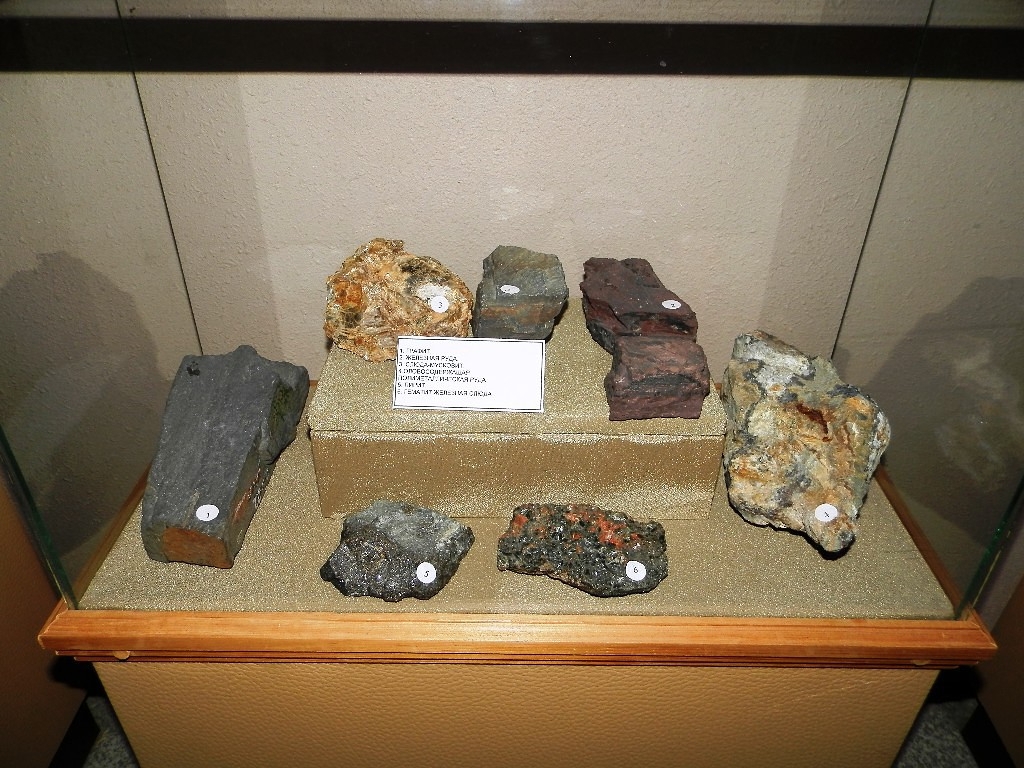
Exhibition of minerals. Photo: Local history museum EAO
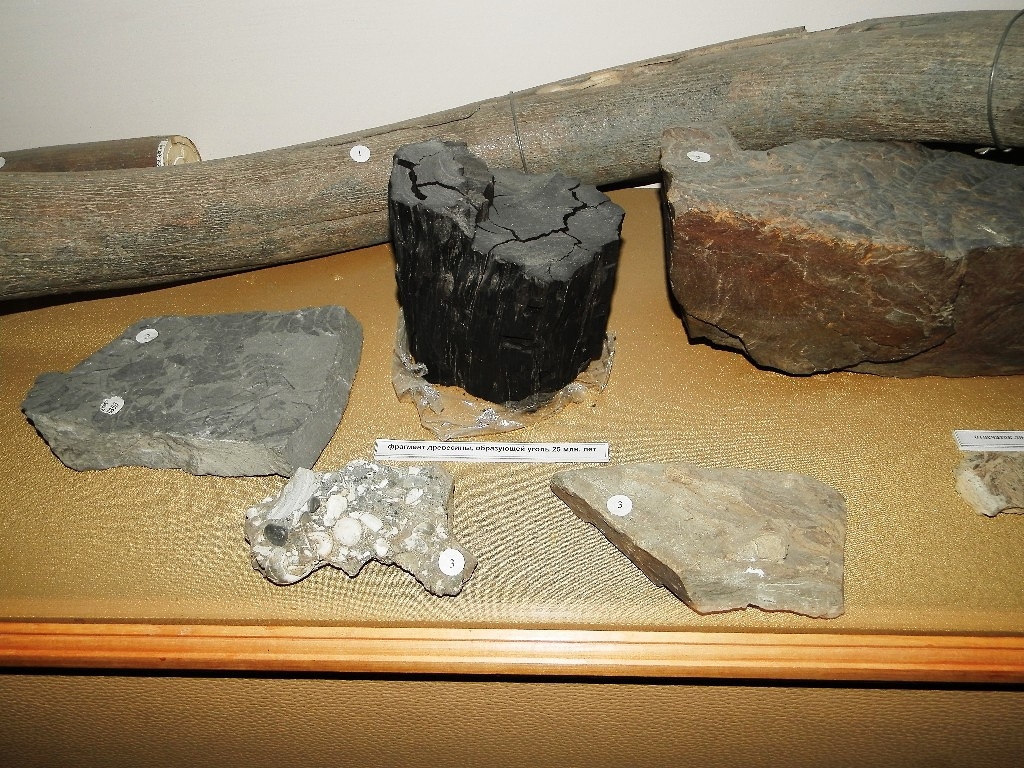
Exhibition of minerals. Photo: Local history museum EAO
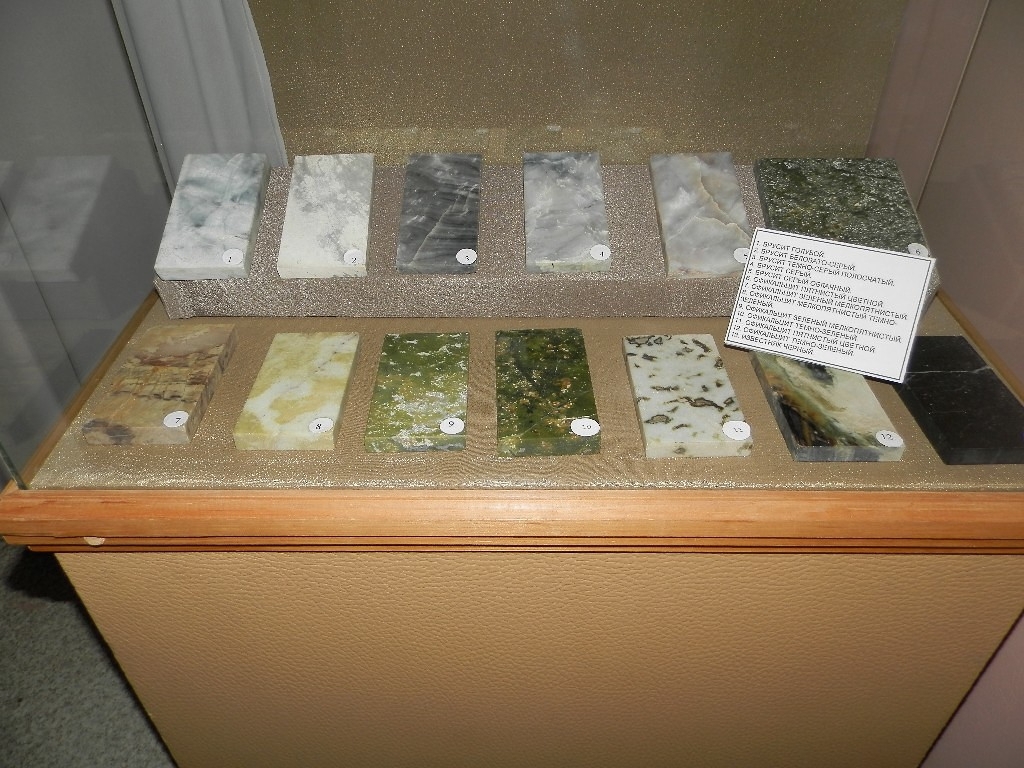
Exhibition of minerals. Photo: Local history museum EAO
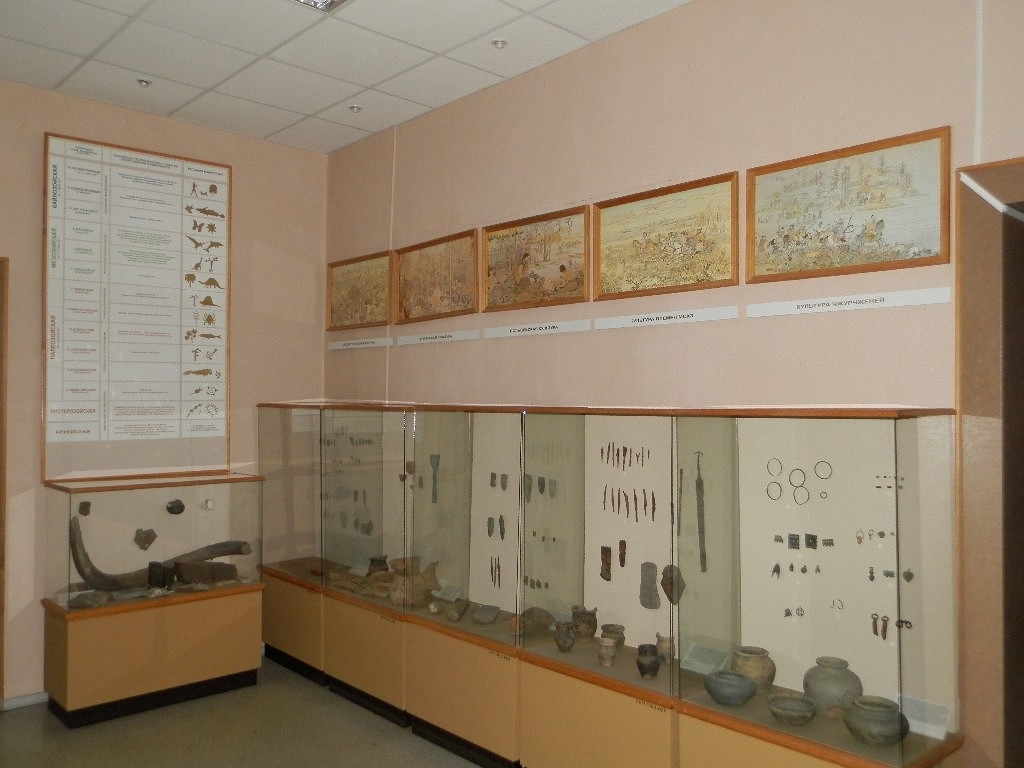
Exhibition of minerals. Photo: Local history museum EAO
Corundum is also exhibited here, which is also delivered to the museum from Sutara. This stone was known in ancient times. According to the fortress, Korund ranks first after the diamond and has great use in industry.
Here is a large crystal of rachtopaza – smoky rock crystal, found by prospectors in the Kalimurinsky vein. It has the same application as pure crystal, but is found in nature much less often.
Pure mountain crystal was found several years ago in the area of the Laemen station. In the hill “Return”, where tin stone is mined, rock crystal is found with whole Druz – accumulations.
In the bowels of the small Hingan, many other gems are hidden.
In quartz veins crossing the caves near the village of Radde, separate amethyst crystals are interspersed.
The regional museum of local lore today continues to collect this unique collection, begun in the 40s of the XX century.
June 25, 1971
The Plenum of the regional party committee discussed the state and measures to further improve the work of party organizations of state farms and collective farms of the region in the light of the requirements of the XXIV Congress of the CPSU. The plenum defined the tasks of party farm organizations and collective farms to mobilize the village workers on a fully increase in the yield of fields and livestock, for the unconditional fulfillment of state plans and socialist obligations of 1971 and the tasks of the five -year plan for the production and sale of all types of agricultural products.