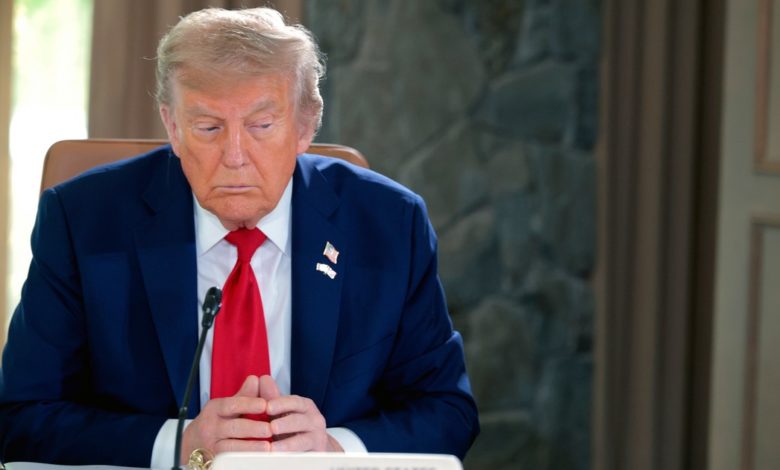
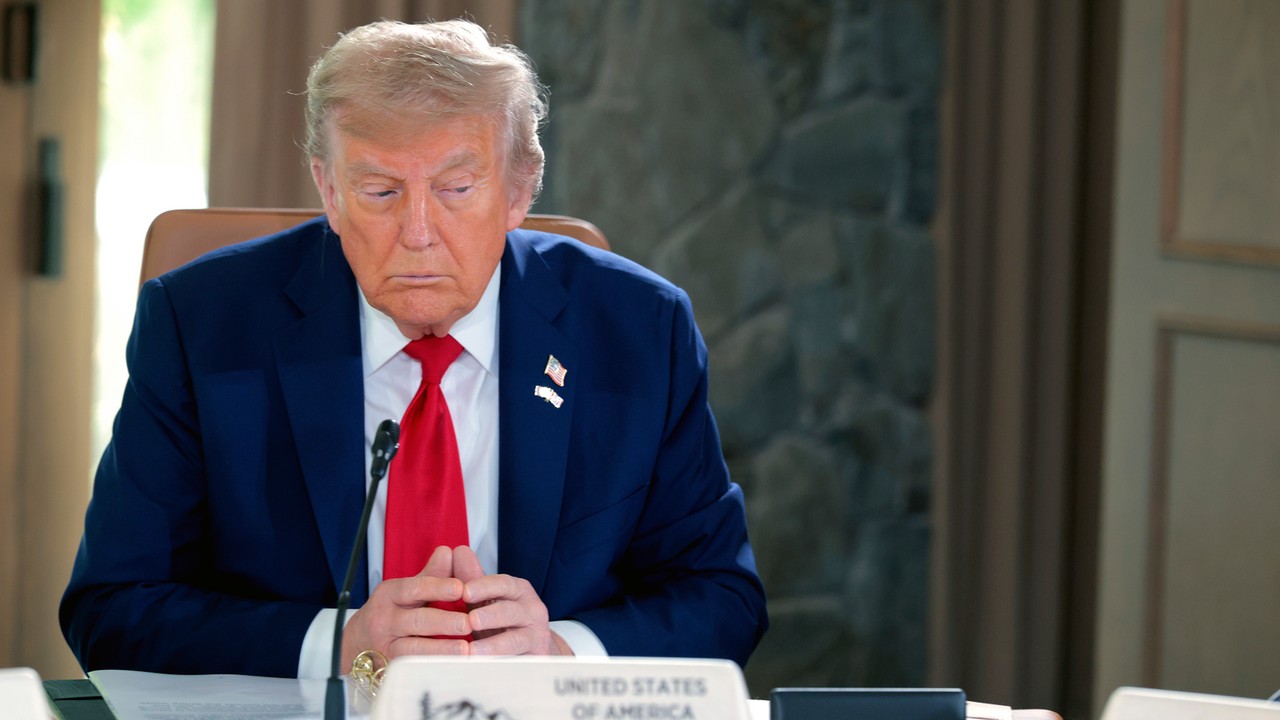
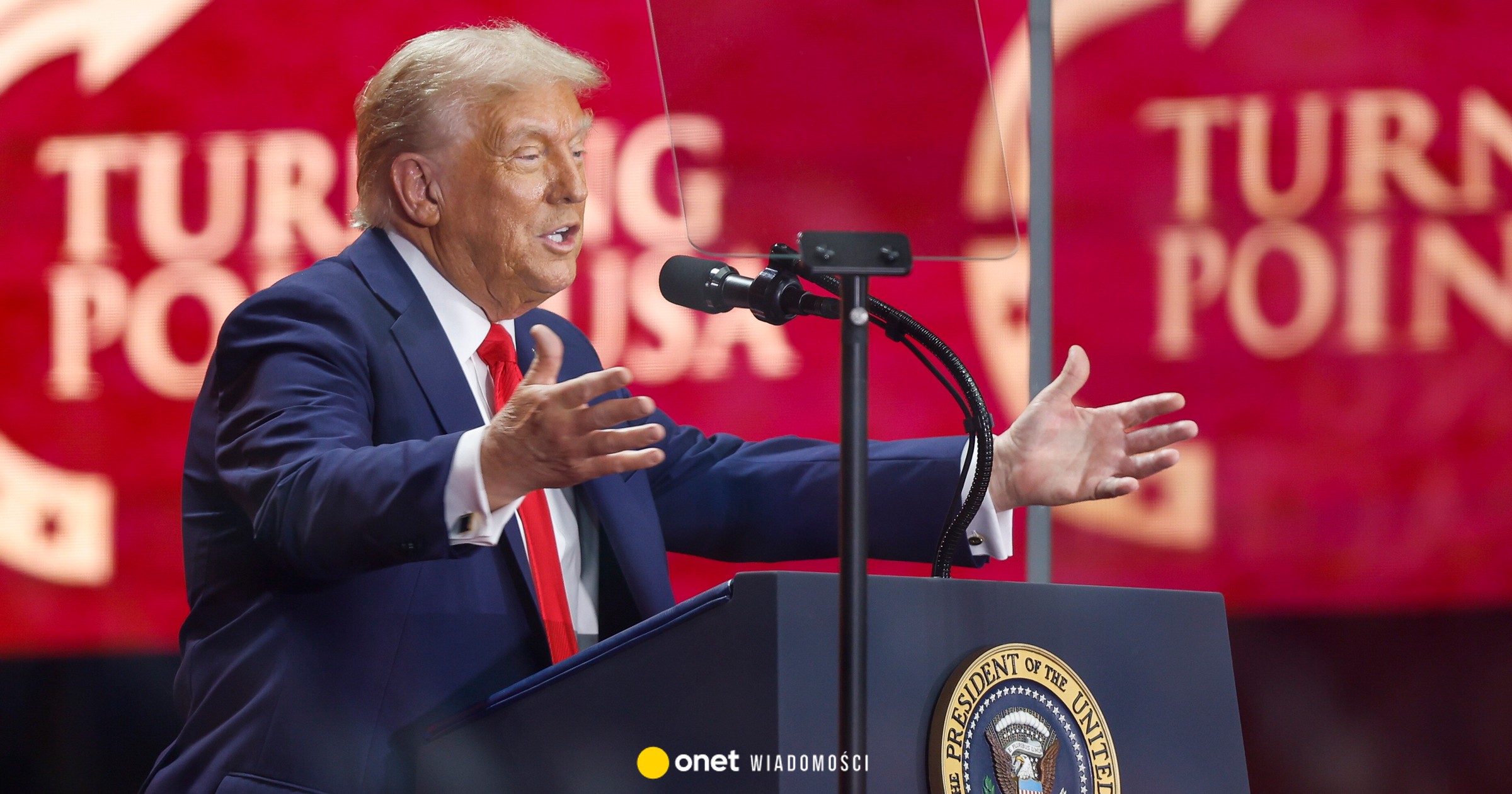
By decision to join Israel in the Saturday attack on nuclear objects in Iran, Donald Trump pulled the United States into a serious war in the Middle East. The fact that he can perceive these attacks as a limited military operation, not war, and to boast of its success does not change the basic fact – the United States joined the war of Israel with Iran.
The US involvement in conflict gave Tehran a justification for hitting energy facilities in the Persian Gulf and American bases and ships in the Middle East – not only now, but also in the future. It also created the risk of pulling the West into the pursuit of the prime minister of Israel Binjamin Netanyahu to change the regime in Iran. Trump and the whole US took a dangerous step into the dark.
The Western world was rightly united in the pursuit of depriving Iran of the possibility of developing nuclear weapons and demanding that it stop supporting radical allies in the region. Several weeks of Trump's diplomatic activities, however, do not create a reliable justification for the transition to military operations.
The damage caused by the American bombing of Iranian facilities in Ford, Natanz and Isfahanie are certainly significant. However, if Tehran still has some abilities or has hidden some of the high -enriched uranium stocks, he can now accelerate work on nuclear weapons and create a deterrent.
It is too early to predict Tehran's reaction. Israel's war revealed the weaknesses of the Islamic regime, both in the defensive and in the offensive. Iran knows that the attack on American facilities in the region will provoke further attacks. Limiting himself to strokes on Israel would only extend the war, which the next goal would be the Iranian regime himself. No matter how strong the desire to retaliate is, Iran no longer has good options. His leaders should withdraw and not escalate the conflict.
Unlimited Israel by a destabilizing force of the region
Oil prices can now rise rapidly. Investors will be even more concerned that Iran can block the Strait of the Ormus, through which a quarter of world trafficking of oil is transmitted by sea. It is not clear, however, whether the regime is able and whether he wants to introduce a lock. Regardless of what happens, alone The uncertainty related to the conflict will inhibit the global economy.
Continuation of the material under the video
The risk of escalation has increased significantly. Israeli-American attacks may initiate a series of events leading to the fall of the Islamic regime, but there is no guarantee that it will be replaced by something more acceptable to the United States, Israel and the West. This can lead to a vacuum. The neighbors of Iran are afraid that a state of 90 million inhabitants may fall, break down, which will lead to a repetition of the script from Iraq after the US invasion in 2003.
The countdown to the US attack began with Trump's decision from the first term to withdraw from the nuclear agreement with Iran. It was imperfect, but Iran applied to him. Diplomatic efforts to reduce Iran's nuclear ambitions have always been the best solution. Trump's administration allowed Netanyahu, who has long opposed diplomacy towards Tehran, move her aside and pull Trump into a war, which Israel wanted for a decade. Last weeks have shown that Unlimited like Israel is also a destabilizing force of the region.
The US president decided that Iran's weakness and the success of Israel are a unique opportunity to hit Iran. Perhaps concerned about the suggestions that he does not carry out his threats, and frustrated with the failures of peaceful activities in Ukraine and the Middle East, in combination of forces with Netanyahu he saw a chance for a quick victory. However, he took a huge risk, surprising his isolationist base and exposing the Middle East to further instability and crisis.
I’m Ashley Davis as an editor, I’m committed to upholding the highest standards of integrity and accuracy in every piece we publish. My work is driven by curiosity, a passion for truth, and a belief that journalism plays a crucial role in shaping public discourse. I strive to tell stories that not only inform but also inspire action and conversation.