Reshuffles in the first line. Zelenski prepares key changes in the Ministry of Defense and in Ukrainian diplomacy

The President of Ukraine, Volodimir Zelenski, announced a new wave of changes in the management of the state institutions, with an emphasis on the diplomatic body and the security structures. In parallel, political sources from the opposition talk about a possible rock at the top of the Ministry of Defense and a strategic reposition of the current minister external, writes focus.ua.
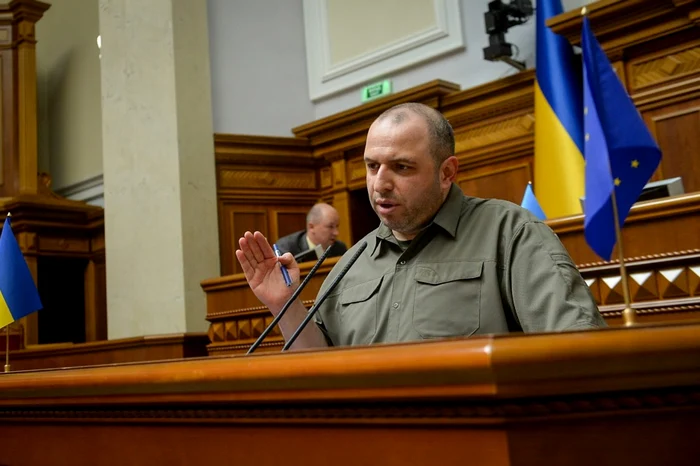
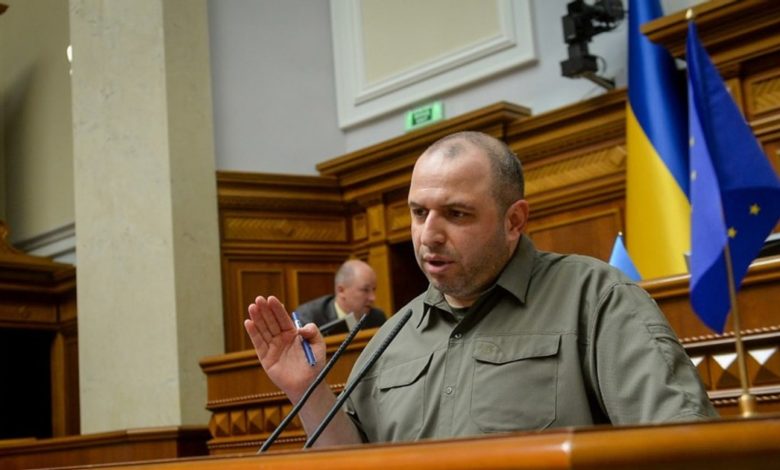
Defense Minstrul, Rustem Humorov, could be called Ukraine's ambassador to the United States/ Photo: PR
According to the deputy of Oleksei Goncearenko, a member of the formation “European solidarity”, the current head of the Security Service of Ukraine (SBU), Vasîl Maliuk, would take over the management of the Ministry of Defense. At the same time, the current minister, Rustem Humorov, could be called Ukraine's ambassador to the United States, one of the most important diplomatic positions for Kiev in the context of the war.
The information comes shortly after, in an official statement, President Zelenski confirmed the intention to operate “Changes in certain key positions” within the administration and the diplomatic corps. “It is a necessary stage to increase Ukraine's ability to act both externally, in relations with partners and in consolidating internal resilience,” said the leader from Kiev.
Zelenski said that in the next period there will be wide consultations with Ukraine's ambassadors from all over the world, after which conclusions regarding the transformation of the diplomatic service will be formulated.
The context of these statements is not by chance. Just a day before, Vladimir Putin resumed, in a triumphalistic tone, the imperial rhetoric, claiming that “where the Russian soldier steps, that territory belongs to Russia”, and reaffirming the idea that “the Ukrainians and the Russians are the same people.” President Zelenski's reply was not expected: “When the criminals announce their intentions without reservation, we have the obligation to respond with action.”
Thus Kiev is preparing:
-a new package of diplomatic measures to strengthen international sanctions against Russia;
-strengthening the legal and operational framework for sanctioning the persons and companies that collaborate with Moscow or carry out economic activity in the occupied territories;
-additional investments in military technologies, especially in the development and use of attack and recognition drones;
-High-level personnel changes to accelerate institutional reactions in a critical period.
Zelenski said that some measures will remain unpublished, including certain provisions given to the SBU management. Other decisions will be made in a meeting of the National Council for Security and Defense.
Against the backdrop of these movements, Vladimir Putin reiterated the Kremlin conditions for the “cessation of the war”: Ukraine's recognition of the results of the so-called “referendums” organized by Russia in the territories occupied in 2022. He also spoke about a possible meeting with Zelenski only “at the end of the negotiation”.
In reply, Kiev continues to reject any “negotiation” that involves the transfer of the territory and strengthens its position internationally. It remains to be seen whether these reshuffles will change the dynamics of the war or mark only an intermediate stage in a conflict that is played on multiple fronts-from Donbas to Washington.