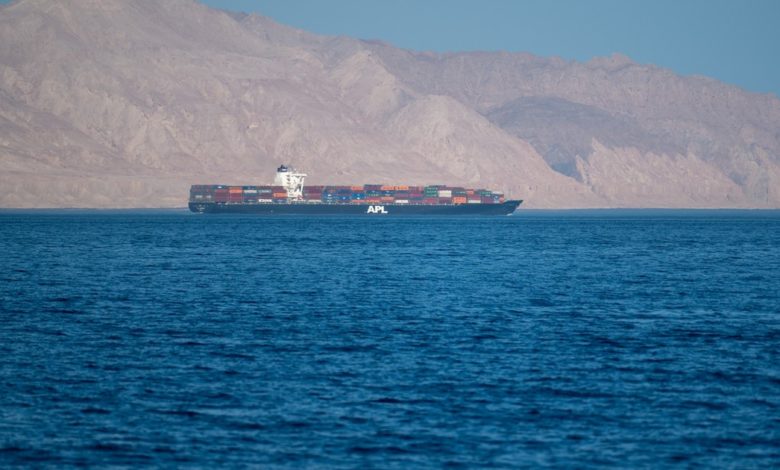
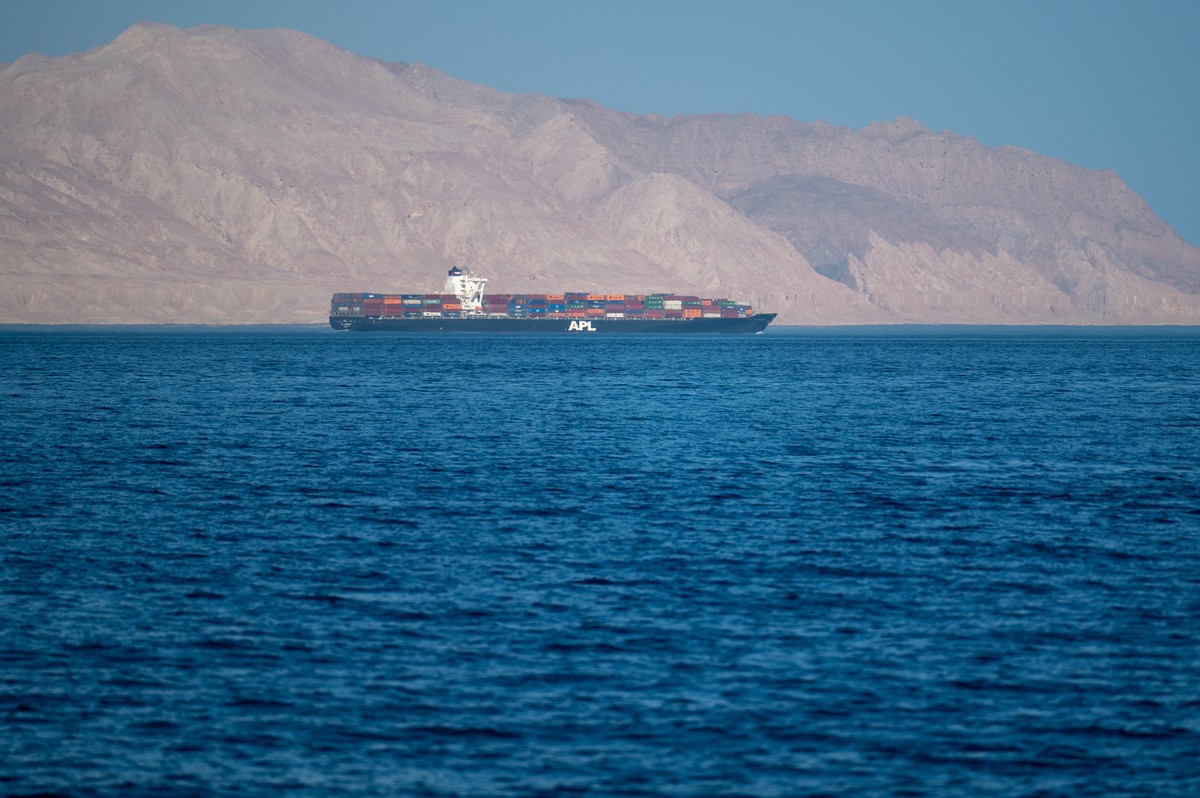
The Strait of Ormuz connects the Persian Gulf with the Bay of Oman. It lies between Iran and the Arabian Peninsula – more precisely the United Arab Emirates and Oman. Its northern coast and the main islands (Gheszm and Ormuz) belong to Iran.
As Rzeczpospolita writes, This strategic strait flows up to 17-20 million barrels of oil every day, which is responsible for about 20 percent. global demand and as much as 40 percent global sea transport of this raw material. For many countries of the Persian Gulf – Saudi Arabia, Iraq, Kuwait, Iran or Zea – this is the only way to export oil to global markets. As much as 80 percent This oil goes to Asia – mainly to China, India, Japan and South Korea.
- Fears about the blockade of the Strait of Ormuz by Iran. Poland has fuel for three months
Oil prices will soar up?
After the start of the Israeli operation “emerging lion” on June 14, Iranian agency Irinn, citing the statement of MP Esmail Kosari, informed that Iran was considering closing the Strait of the Ormus. These fears were still intensified after the US accession to military operations against Iran.
The Israeli offensive itself caused a sharp increase in uncertainty in the markets. Prices of WTI oil contracts jumped by 14 percent, reaching up to $ 77.6 per barrel. According to experts, the total blockage of the strait could raise prices up to $ 120-130, which would resemble levels from the beginning of Russia's war against Ukraine, as Rzeczpospolita writes.
- A wave of increases at gas stations is coming. Gasoline and diesel are more expensive through the conflict in the Middle East
The increase in oil prices would have far -reaching effects: global inflation, higher life costs and benefits for Russia, which – despite the sanctions – sells oil to Asia and uses these income to finance the war. We would like to remind you that in 2022, under the influence of similar shocks, gasoline prices in Poland exceeded PLN 7, and in places they approached up to PLN 8 per liter.
Experts warn against an economic disaster
Prof. Gerrit Heinemann from Germany warned in an interview with “Bild” that the closing of the strait would cause a crisis greater than Putin's pandemia and the actions of Putin combined. “All recently overcome problems would come back from day to day,” he said.
Iran has never yet decided to completely block Ormuz, although he threatened such a step many times – including in 2012 and 2019. During the war with Iraq in the 1980s, he tried to limit the movement of tankers, attacking ships and mining water in the region.
In the face of the escalation of the conflict in the region, the risk of real blockade is growing – and with it the specter of the global energy crisis, as Rzeczpospolita writes.