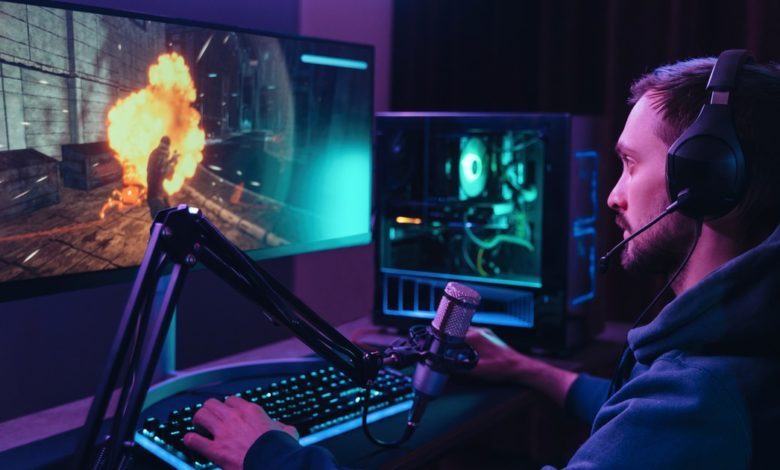
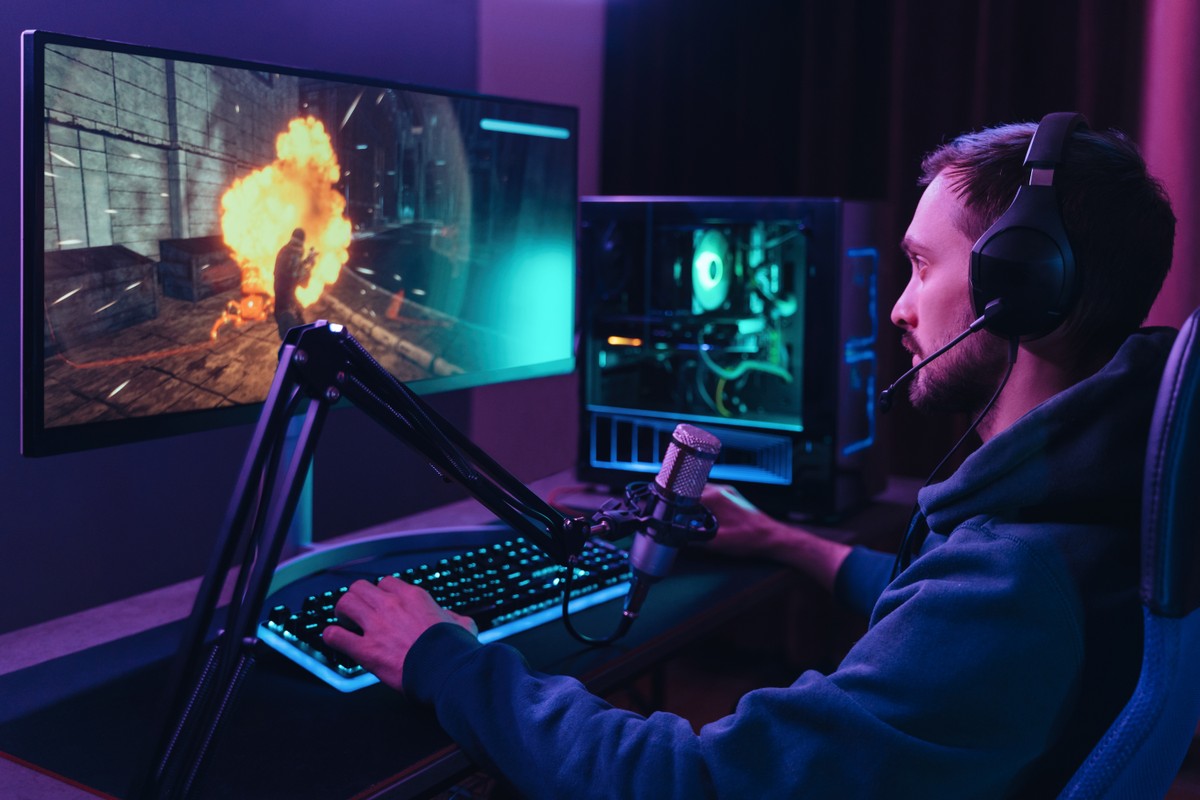
Night sessions in cafe, home tournaments, enthusiasm and common passion-this is what the beginnings of e-sport in Poland looked like. Professionalization came later.
– Everything took place as part of volunteering. At most, the keyboard, headphones, etc. could be “earned” on playing. – recalls Bartłomiej Czarnota, Category Manager at G2A.com, who began the adventure with gaming as an editor in one of the first Polish games about games. – We wrote lyrics, we went to tournaments. In this way we were building a network of contacts.
The breakthrough came around 2014. The successes of the teams, such as the legendary Virtus.pro, meant that e-sport broke into the mainstream and entered a higher level. Lucrative sponsorship and professional teams with large financial facilities appeared, which willingly invested in the creation of “gaming house” – places where players lived and trained like athletes.
The profession of a professional player is hard work
– At the peak, i.e. in 2015-2020, the best Polish players could count on earnings of the order 10-50 thousand PLN per month – recalls Czarnota and explains what the life of a professional player looked like. -At that time, many companies, like the one in which I work today, were strongly involved in the development of e-sport, sponsoring teams, co-organizing industry events and building a global network of influencers partnerships. These were golden times for e-sport, not only in Poland but also in the world.
– The day started in the gym, later analysis of the strategy at the table, tactical trainings, sparring with other teams. Six to eight hours of playing. It was full -time hard work with full facilities: a dietitian, physiotherapist, psychologist.
Relocation was also required. Players had to move to Gaming House, where they lived like a football team.
– There was no question of playing remotely – emphasizes Czarnota. – Players had to meet, live and function together to make them a harmonious team.
End of professional Eldorado?
The golden time of gaming began to end after the Covid-19 pandemic. -E-sport survived the boom during lockdown, but many brands later understood that the return on investment in E-SSPORT is not always as spectacular as promised-explains Joanna “Frota” Kurkowska, Trends researcher and Head of Strategic Research in ZAiKS Lab
The budgets began to shrink, and Poland – once a regional leader – has lost its position. Closed, among others E-sport Performance Center in Warsaw, and talents sailed to Dubai and Saudi Arabia.
Joanna Kurkowska emphasizes that the colossal jump in the pandemic in the industry had to be corrected, which resulted in reduction of full -time jobs. At the same time, there was an overparty of games. – About 19 thousand appeared on Steam in 2024. titles, while the average player plays a year in three to five games. Even very good productions die in a flood of new products. In addition, the cost of producing AAA games increased to hundreds of millions of dollars, which means that the failure of the project immediately translates into reduction of full -time jobs or the end of cooperation with subcontractors – he adds.
Dark career sides in gaming
Burnout, lack of support, hate and instability are the everyday life of many players. – It happened that people were simply thrown out of the team without warning – says Bartłomiej Czarnota. – There were no support systems. If you didn't have a plan B, you stayed with nothing.
Some began to look for new earning opportunities. “Dramas” and controversial, and even pathological content clicked better and better. It caught unfulfilled players.
-Influencers' agencies found an idea to cash this area. Then Freak-Fighty and earning on broadcasts, in which it was not about playing at all-explains Czarnota. – Some people saw that it attracts a larger audience and is better monetized.
Dream career or a blind alley?
Today, entering e-sport is much more difficult than a decade ago. – We have huge competition, overparty games and fragmentation of the stage – says Czarnota. – You have to be not only an outstanding player, but also the creator of the content, media personality and your brand's strategist.
The chances of breaking out are minimal, comparable to the paths of professional players. – It's like throwing peas on a key hole – explains the expert vividly. – You need to be as lucky as talent.
The expert emphasizes that the e-sport ecosystem has become a closed bubble, difficult to break through for players from outside. To exist, knowledge, networking and systems are necessary. Many faces in the industry, especially among influencers, have not changed for years, which hinders new talents and can be frustrating for people outside this group.
Entrance costs have also increased. Good equipment, fast internet, participation in tournaments, training camps – all these are even tens of thousands of zlotys. And the return on investment is unpredictable.
– If someone does not achieve results for several years, it can simply be depressing – admits Czarnota. – It is better to look for alternative paths in the industry then.
Working in gaming is not only e-sport
It is worth remembering, however, that e-sport is just a slice of a much larger world. Gaming is a roomy concept. It includes both competitive playing in teams and building worlds in Roblox or Minecraft, designing characters and levels, testing games, composing music, creating narrative, and even work in Helpdesk or in the organization of gaming events.
Niches such as Cozy Gaming (Games without Violence, conducive to relaxation, e.g. Animal Crossing, Stardew Valley), educational games, simulators or “work” in games – eg virtual store management or running your own social server are
– Today you can develop when creating games as an artist, designer, narrator or community manager – says Kurkowska. -And often these paths are more stable today than the e-sport itself.
Many former players or coaches who have finished their active career go smoothly to other roles in the industry. In addition to these roles in Gamedeva, these can be managerial positions in e-sports organizations, work in companies dealing with the distribution of games or other industry structures.
Bartłomiej Czarnota adds that players from his generation often become coaches, using their experience and strategic thinking, just like Filip 'Neo' Kubski or Wiktor 'Taz' Wojtas, who from the leading players went to coaching positions in known organizations. Thanks to their skills and knowledge about game mechanics, there were players can also make a valuable contribution to their creation.
Gaming develops professional competences
“Gaming taught me many things I use today,” says Joanna Kurkowska. – The ability to build a community, establish relationships, build a personal brand – all this is useful in marketing, social media, advertising. I saw many people who, thanks to Twitch, got a job in agencies as community managers, content creators, and even strategic advisers.
– The future belongs to designers, streamers, programmers and community creators – sums up the expert. – For them, the game is not a goal, but a tool. For creating, earning and telling about the world.
According to Czarnota, Gaming today is really for everyone – regardless of age, place of residence in the world or experience. – In my case it is a passion that over time turned into a professional path. The competences I have gained for years today pay off in the form of amazing possibilities in the world's largest marketplace with digital entertainment.