Anxiety encompasses the Arab Golf states due to the threat of nuclear contamination and reprisals by Iran

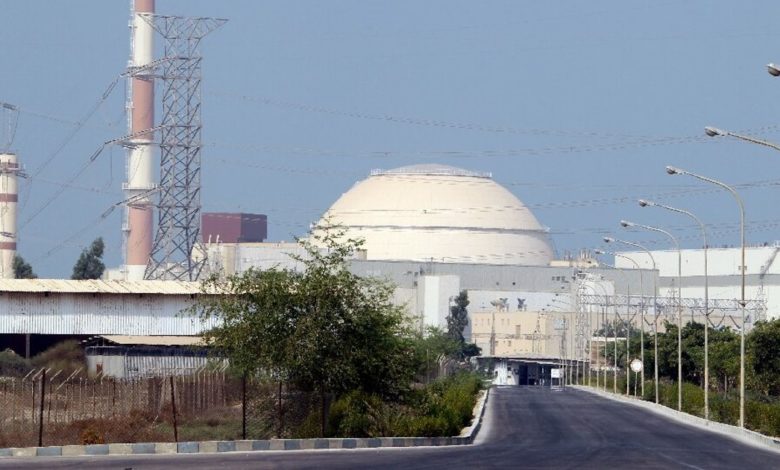
In the Gulf Arab states, concern about the possibility of contaminating the environment or reprisal attacks if Israel or the United States strikes Iran's nuclear installations over the Persian Gulf, CNN reports.
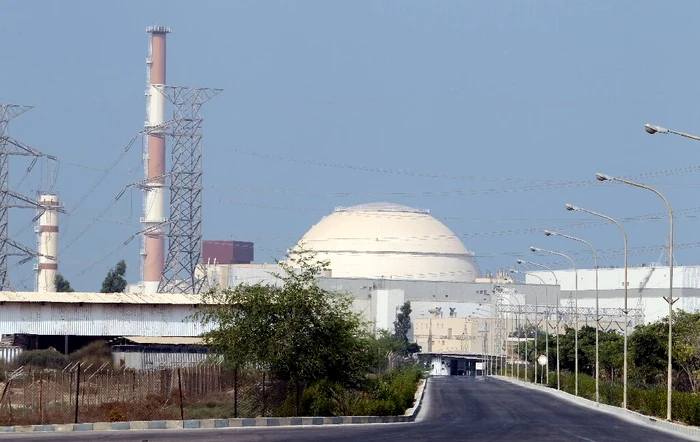
Central nuclear from BUSHER/PHOTO: X
The Gulf states look at the possibility of a conflict that exceeds the borders of Iran and Israel, with direct implications for their internal security. The risk of radioactive contamination and fear of reprisals from Iran in the event of attacks launched by Israel or the United States on Iranian nuclear installations feed a diffused anxiety in the region.
Instructions for population in case of nuclear incident
In Oman, the authorities discreetly began to distribute, through the messaging networks, instructions for the population in case of nuclear incident: staying in closed, exterior spaces, with stopped ventilation systems. Similar measures were also announced in Bahrain, where national warning sirens were tested and 33 emergency shelters were prepared, according to the official press agency.
In parallel, the press throughout the region publishes guides on how to manage radiation exposure, a sign that concern is no longer only at the level of authorities, but also of civil society.
“People are truly worried”says Elham Fakhro, an expert from Bahrain and researcher at Middle East Initiatives at Harvard Kennedy School. According to her, fears are concentrated not only around a potential radioactive cloud, but also on the possibility that Iran hit American golf targets, endangering civilians and affecting air traffic.
Strategically located on the southern shore of the Persian Gulf, the Nuclear power station in Bushehr – the only operational in Iran – is closer to the US Allied capitals, such as Manama, Doha or Abu Dhabi than by Tehran. An attack on it could contaminate an essential source for the existence of the approximately 60 million inhabitants of the bay: desalinated water.
Sheikh Abdullah Bin Zayed, the Foreign Minister of the United Arab Emirates, warned in firm terms on “The risks of reckless actions, with consequences that can overcome the region's borders.” A similar position was also expressed by Qatar, which reminded the fragility of the marine ecosystem and the interdependence of the states in the region.
Water is a vulnerable point in golf states
“If the Bushehr power plant is destroyed, the whole water becomes unusable. No water, without fish, without life.”declared the Prime Minister of Qatar in March, Mohammed al Thani, in an interview. In the absence of rivers or natural reserves, the countries in the area would remain without drinking water in just three days. It's not just a problem for Qatar, but for all coastal states: Kuwait, Emirates, Bahrain.
In fact, the Gulf Cooperation Council recently activated the Regional Emergency Management Center in Kuwait, with the clear mission to implement ecological and radiological protection measures.
In the background, the attack plans seem closer to a turning point. Sources from the US administration have transmitted to CNN that former President Donald Trump would consider a military option against Iran, although, officially, it remains open to a diplomatic solution – if the Iranian regime makes concessions. “Maybe I will do it, maybe no … no one knows what I will do,” Trump said in a recent statement.
Despite the increasingly tense rhetoric, in the big cities of Golf – Dubai, Abu Dhabi, Doha – does not reign. Attractive economic conditions, high salaries and political stability still provide a sense of safety.
“I'm not worried. I trust the safety measures here.”says an American established in Abu Dhabi. However, uncertainty about a possible American attack raises question marks: “If the US decides to hit, we do not know what next.”
An Egyptian resident in Dubai recognizes, however, that the general condition is an increasing tension. “They are all stressed. It becomes more and more real. It is no more hypothetical – the war seems close.“