“A truly good news”: NATO's Secretary General announces that the Alliance's expense target has been reached, after 11 years

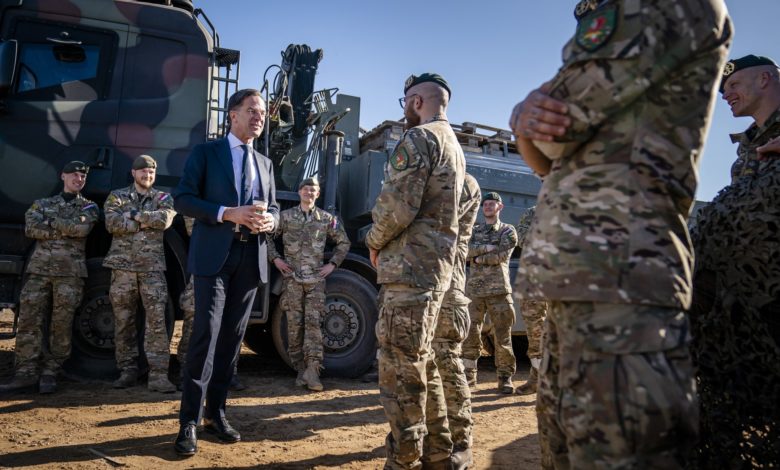
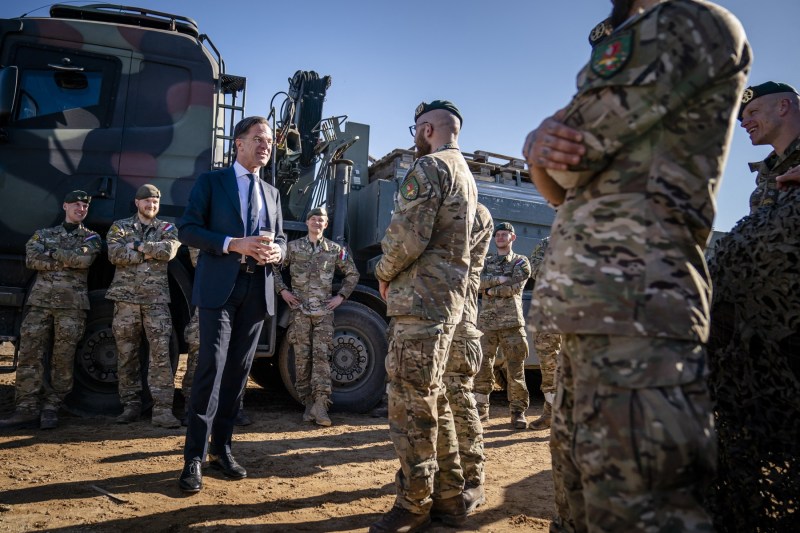
Mark Rutte on a NATO troops visit to Lithuania, photo: ANP Via AFP / AFP / Profimedia Images
The Secretary General of NATO, Mark Rutte announced on Tuesday that the Alliance has fulfilled the target of expenses set 11 years ago, of 2% of GDP defense expenses, in the context in which the leaders of the Member States are preparing to participate in the Hague Summit next week, the DPA agency reports.
Given that Portugal and Canada have committed to spend 2% of GDP for defense this year, the entire alliance now complies with the 2% target, Rutte said in Canada for the G7 summit. He called this “really good news.”
However, due to the pressure of US President Donald Trump, it is expected that the alliance with 32 members agree on a new defense target of at least 5% of GDP in the two -day summit, which starts on June 24.
The percentage allocated for military expenses would be 3.5%, while a percentage of 1.5% of GDP is targeted for other defense costs, such as infrastructure.
Trump threatened NATO that it will not defend the countries that do not spend enough
The US president has repeatedly criticized what he considers insufficient defense expenses of European and Canada allies, and has even threatened that the US will not defend the countries of the Alliance that does not allocate sufficient GDP for such expenses.
The only NATO member state that is not directly affected by Trump's requests is Iceland, as the island does not have its own army and is therefore excluded from NATO statistics on defense expenses.
Germany reached the target of 2% of GDP, set in 2014, for the first time last year. The only member country that has exceeded 3.5% of GDP Defense expenses is Poland.
The target of 2% of GDP for defense expenses was first assumed by NATO countries in 2006, but the global financial crisis that broke out two years later gave the plans.
The target was reassembled in 2014, after Russia invaded and annexed Crimea following an illegal referendum, and the pro-Russian separatists in Donbas immediately launched the armed conflict in eastern Ukraine.