“Extremely dangerous”. The risks that appeared as Israel liquidates one by one to those in the restricted circle of Ayatollah Ali Khamena

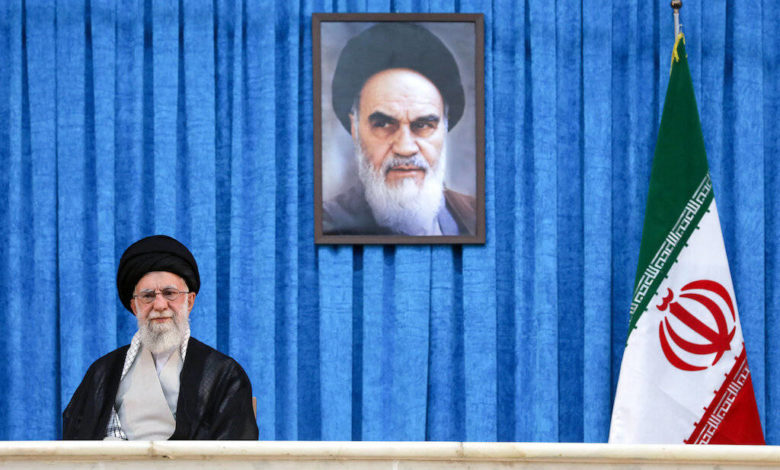
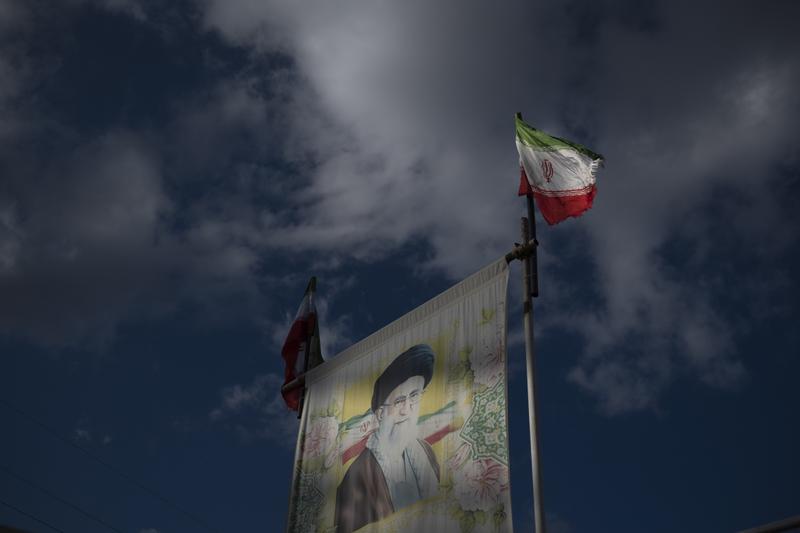
The supreme leader of Iran, Ayatollah Ali Khamena, 86, is more and more lonely. Several of his main military and security advisers were killed following Israeli air attacks, which created major goals in his narrow circle and increased the risk of strategic errors, explained for Reuters five sources that know how the supreme leader from Iran.
Most recently, on Tuesday, Israel announced that he killed the head of the Iranian army, Ali Shadmani, who had only four days, after his predecessor was liquidated by the Israeli forces on Friday. In fact, Israel beheaded the Iranian army even from the initial attacks, Khamena mourning that some of its most important generals were “martyred”.
One of the sources of Reuters, who regularly participates in meetings with Khamena, said the risk of calculating errors for Iran in terms of defense and internal stability has become “extremely dangerous.”
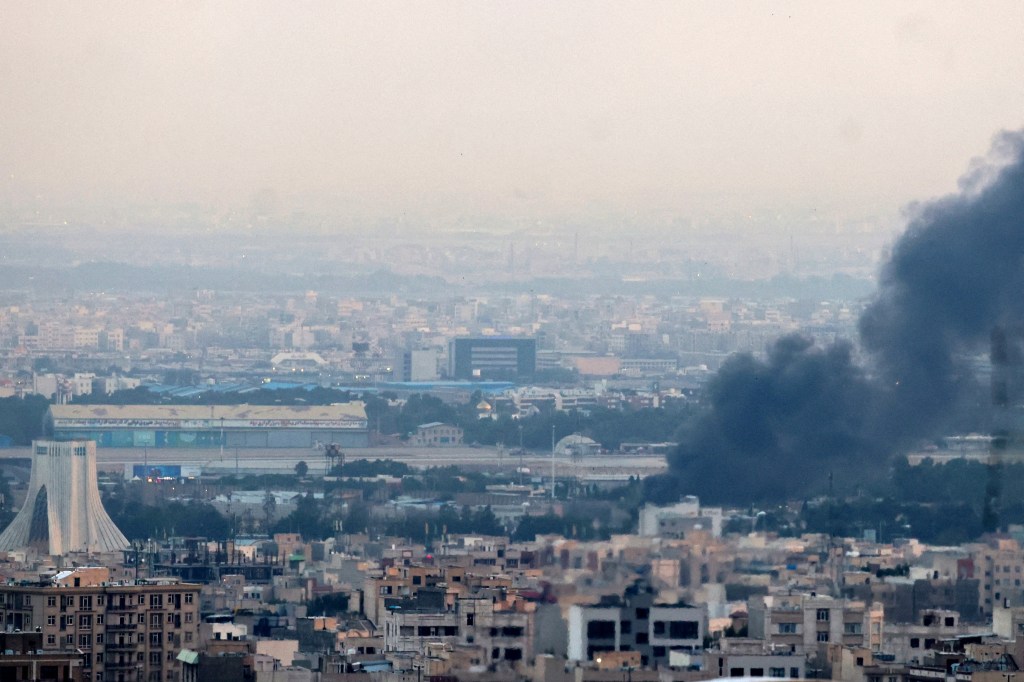 Live Israel-Iran war, fifth day: new wave of Iranian ballistic missiles in the morning, strong explosions were heard in Jerusalem and Tel Aviv / Trump: Tehran must be evacuated immediately / Israel says that he killed and the new Iranian army chief
Several high -ranking military commanders have been killed on Friday and so far, including Khamena's main advisers in the revolutionary guards, the Iran's elite military force: the general commander of the guards, Hossein Salami, the head of the Aerospace Department, Amir Ali Hajizadeh, who led the Iran's Ballistics program. Secrets, Mohammad Kazemi.
Who are those in Ali Khamena's restricted circle
These men were part of the restricted circle of the supreme leader, consisting of about 15-20 counselors, including commanders of the guard, clergy and politicians, according to sources, who include three persons participating or participated in meetings with the leader on important topics and two persons close to officials who participate regularly.
The informal group meets ad-hoc, when Khamene's office contacts the councilors he needs to gather at his residence in Tehran to discuss an important decision, all the sources said.
The members of this council are all characterized by unwavering loyalty to him and the ideology of the Islamic Republic, they added.
Khamenei, who was closed before the 1979 Revolution and mutilated in a bomb attack before becoming a leader in 1989, is deeply employed in maintaining the Islamic governance system and deeply unbelieving in the West.
Within the Iran's governance system, he holds the supreme command of the armed forces, the power to declare war and may appoint or dismiss high -ranking personalities, including military commanders and judges.
Main purpose: Survival of regime
Khamenei makes the final decision in important matters, but appreciates the advice received, carefully listens to various points of view and often request additional information from his advisers, according to a source that participates in meetings.
“Two things can be said about Khamena: it is extremely stubborn, but also extremely cautious. It is very cautious. That is why it has been in power for so long,” said Alex Valka, the director of the Think-Tank Middle Institute in Washington.
“Khamena is well positioned enough to do a cost-benefit analysis that fundamentally reaches a more important problem than anything else: the survival of the regime,” he added.
The emphasis on survival has been repeatedly tested. Khamenei mobilized the revolutionary guards and the Basij militia affiliated to stifle the national protests of 1999, 2009 and 2022.
However, although the security forces have always managed to overcome the demonstrators and restore the state order, years of western sanctions have caused a generalized economic precarity that, according to analysts, could eventually threaten internal stability.
The stake is total for ayatollah
The stake could not be greater for Khamena, who is facing a climbing of the war with Israel, which targeted nuclear and military objectives and their staff with aerial attacks, attracting Iranian reprisals, sources from within and analysts said.
The five people familiar with Khamena's decision -making process have stressed that other people from the inside have been targeted by Israel's attacks remain important and influential, including peak counselors on political, economic and diplomatic issues.
Khamenei designates such advisers to deal with the problems that arise, expanding their influence directly on a wide range of institutions in the military, security, cultural, political and economic fields, said two of the sources.
Operating in this way, including within the bodies nominally under the authority of the chosen president, Khamene's office is often involved not only in the most important state problems, but also in the execution of minor initiatives, sources said.
Is his son, Mojtaba, take over to take over?
His son, Mojtaba, has become more and more important in this process in the last 20 years, said the sources, creating a role that connects the personalities, factions and organizations involved to coordinate certain problems, the sources said.
Medium-ranking cleric, considered by some people approved as a potential successor to his old father (86 years), Mojtaba has built close links with revolutionary guards, which gave an additional influence within the Iran's political and security apparatus, the sources said.
Ali Asghar Hejazi, the deputy for political security business at Khamene's office, has been involved in sensitive security decisions and is often described as the strongest official in Iran's intelligence services, sources said.
Meanwhile, the head of Khamenei's office, Mohammad Golpayegani, as well as the former Iranian foreign ministers Akbar Velayati and Kamal Kharati and the former president of Parliament Ali in the carriers remain trustworthy diplomatic and internal policy, such as the nuclear dispute, the sources said.
The loss of the commanders of the revolutionary guards, however, decides the peak lines of a military organization that he has placed in the center of power since he became a supreme leader in 1989.
While the command chain of the army passes through the Ministry of Defense to the chosen president, the revolutionary guards are responsible only in front of Khamena, having the best military equipment for their air and maritime forces, which gives their commanders a major role in Iran.
Nor the killing of Nasrallah or Assad's fall did not fall well
While they are facing some of the most dangerous moments in the history of the Islamic Republic, Khamena is increasingly isolated and the recent loss of key people in the region, after the forces in the “Resistance Axis” coalition were hit by Israel.
Among the most important names in this regard are the head of Hezbollah, Hassan Nasrallah, who was personally close to the Iranian leader, killed by an Israeli air blow in September and Syrian President Bashar al-Assad, whose regime was demolished in December.
And Ayatollah Ali Khamenei could have had the fate of his friend Nasrallah if US President Donald Trump had not blocked an Israeli plan to kill the supreme leader of Iran.