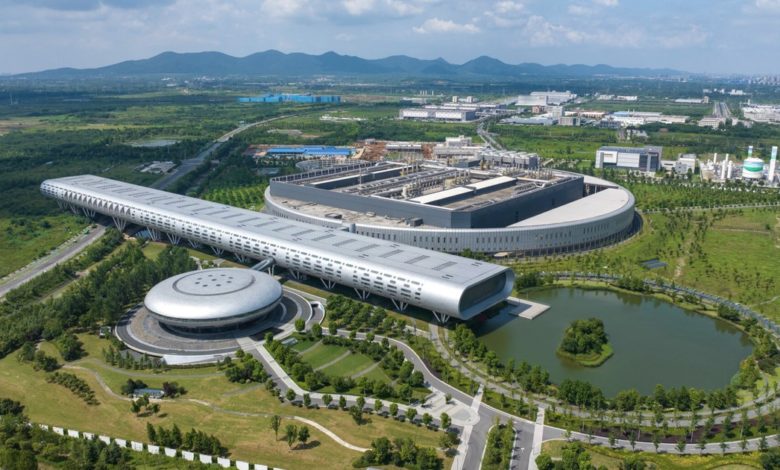
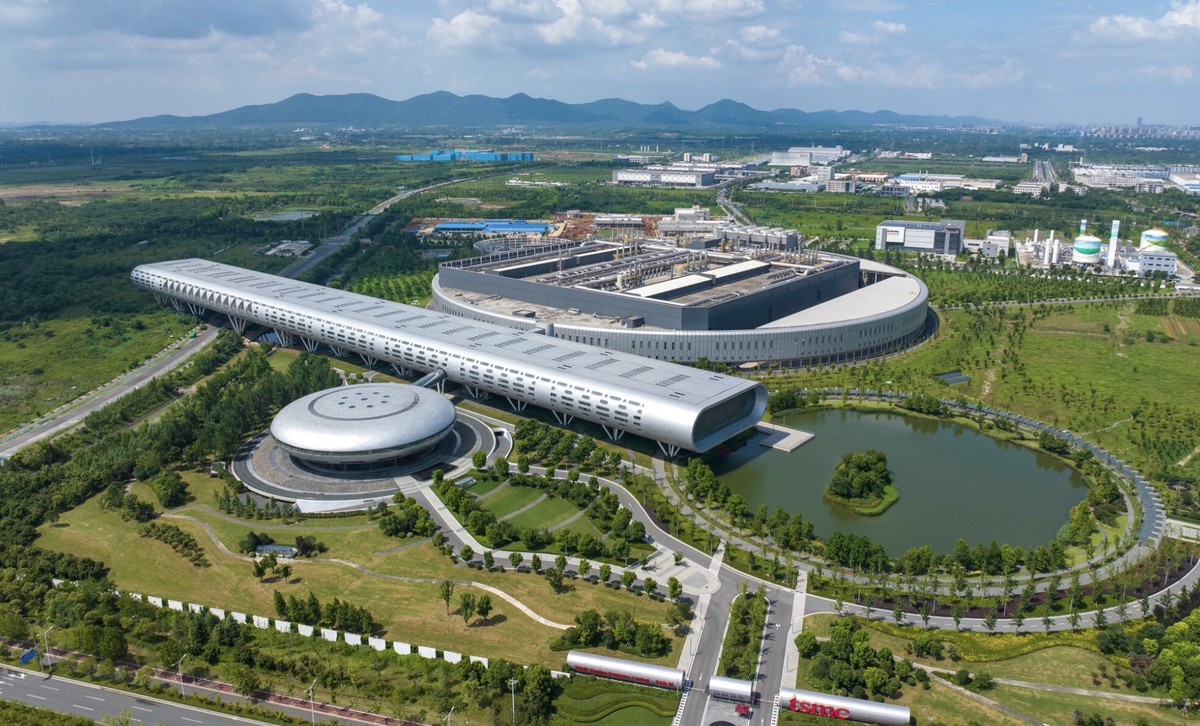
Taiwanese permits system has been in force for years, but The new entries strengthen the current restrictions and seal the gaps that Huawei usedby ordering TSMC production of AI cards systems. “It is a signal that Taipei screws the screw and introduces higher sanctions for celebrating the rules, following in the footsteps of Washington,” comments Ray Wang, a semiconductor market analyst for SCMP.
Direct impact on the revenues of Taiwan Semiconductor Co. will remain limited because The world's largest contract producer had to cut off Huawei and Smic from the latest technological processes before due to American licenses.
Nevertheless, the decision carries a symbolic weight. It shows that the government in Taipei is ready to formally copy American black lists and to exacerbate them. The market reacted calmly – TSMC shares gained 1.9 percent, and the company focuses on the expansion of factories in Arizona, where ultimately in 2028 the production of chips in the 2 nm process is to start.
Smaller Taiwanese companies designing integrated circuits and suppliers of components who maintained indirect relationships with Huawei or Smicu will feel much more. Each transaction will now require additional due diligence, which will increase the costs of compliance and extend the sales cycle. From the perspective of Beijing, Taiwan's move is “sales of own interests” and “flattering the US administration” – said Dziennik China Daily, cited by Asia Financial.
Taiwan closer to the USA
The export list puts Taipei in one line with Washington in the ongoing global war for chips. From 2022, the United States has imposed a wide license regime on the shipment of artificial intelligence and lithography technology to China, and The pace of American sanctions accelerated after the administration in Washington considered a key cut -off from advanced GPU and EDA tools. Taiwan now takes over most of the burden of enforcing these barriers.
The geopolitical background remains tense. In the first days of April, the Chinese People's Army conducted a series of maneuvers “Strait Thunder-2025a” around the island, exercising blockade and precise strokes, and On June 11, two Chinese aircraft carriers operated in the Pacific at the same time. Washington confirmed the iron “commitment to defend the status quo”.
For semiconductor supply chain, the consequences can be long -term. Deeper and deeper stratification of the market to the American-Tajwan and Chinese block accelerates the phenomenon of the so-called Friend-Shoring. TSMC and Samsung investments in the USA and the Japanese Rapidus project are building an alternative ecosystem for advanced nodes. At the same time, Beijing accelerates his own 28/14 Nm programs and acquires 5 Nm abilities thanks to mass production in SMICalthough without access to the latest EUV machines it will be difficult for him to catch up with the West in terms of technology.