Gallup's global data are quite brutal for leaders. They show that today only every fourth manager remains full of enthusiasm, and the involvement of the entire population of employees dropped in 2024 to 21 percent. – The lowest for a decade.
The Calm Health survey gives an even stronger signal. It shows that 65 percent respondents claim that it is the direct superior that shapes their mental well -being, but only 38 percent. He experiences real concern for their work-life balance. Therefore, since the leaders declare empathy and their subordinates do not feel it, the gap must be filled with something. Increasingly, it is artificial intelligence.
Check also: Is it still worth studying? Artificial intelligence and the future of mental work
The phone call to the boss today replaces the conversation with the bot
Remote work paradoxically conquers the indicators of commitment. It seems that she should increase the sense of isolation and of course there are people who need to work in the office, and at home they have a problem to focus, but in the Gallupa report Fully remote employees turned out to be … the most engaged group (31 percent)despite the fact that they are theoretically most exposed to loneliness, anger and sadness.
Unfortunately, leaders are often unable to “hug the word” even on the channel #random on slack or teams. Employees are therefore looking for an immediate support and support of support and They find them in a dialogue with a language model. He corresponds to a second and never makes an impatient impression.
But is such a therapy from the algorithm effective? Apparently yes, because this year's report “TOP-100 GEN AI USE CASE Report” by Harvard Business Review in the first position in the ranking of generative applications AI indicates “Therapy and emotional accompaniment”. Shift from purely technical applications towards psychosocial support is also The effect of record professional stress.
In practice, this means that chatgpt, character.ai or replica have become a digital equivalent of a friend from a friend from the desk next to. With one difference: they have infinite patience.
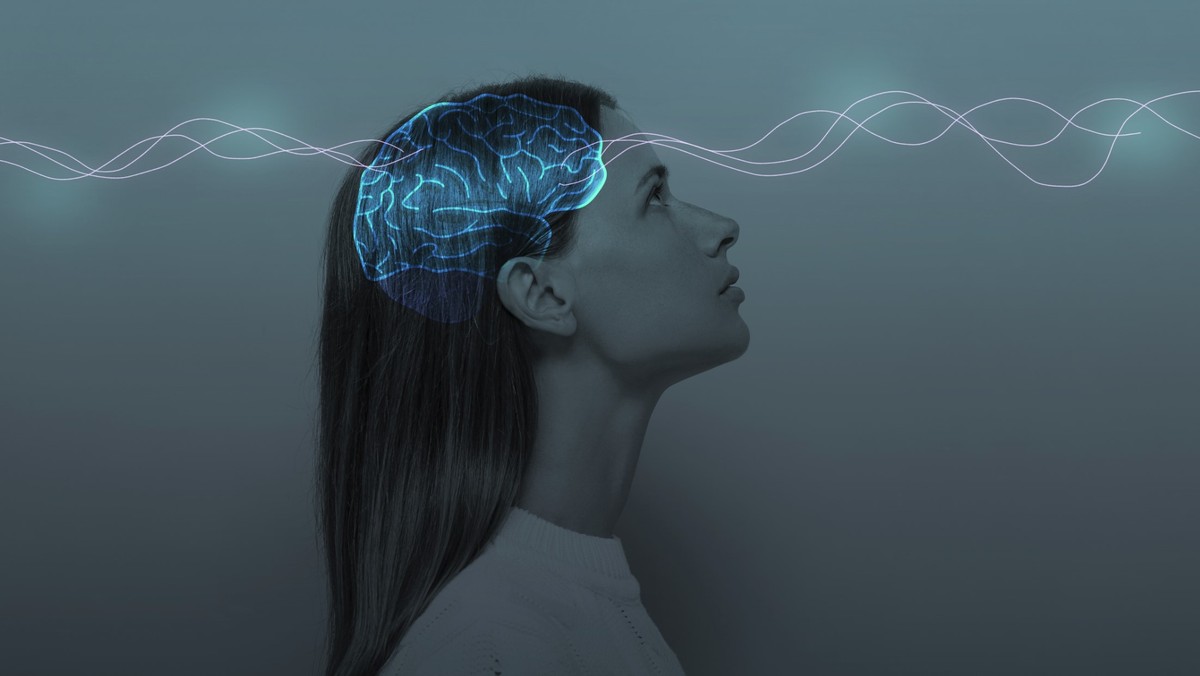
A series of six studies published by scientists Harvard Business School shows that A conversation with empathic chatbot can reduce the level of loneliness on a par with contact with a living man. The most important mechanism is the impression of being heard.
Importantly, the effect lasts at least a week, and users are willing to underestimate it. This explains why AI comrades become a daily ritual not only in private life, but also at work. All you need is one browser window to get an immediate, hierarchy answer.
See also: Salesforce in Poland without offices, but with real influence. This is how the giant works in the shade [WYWIAD]
The shadow of the other side. Dependence and deepening of loneliness
The optimistic picture is complicated when we look at people most drawn into this type of interaction. The MIT MEDIA LAB and OPENENAI study showed that the most die -hard chatgpt users who have personal, emotional conversations with AI, at the same time declare a higher level of loneliness and less offline relationship than the rest of the population.
A similar conclusion comes from a Chinese study for 428 replica users. The stronger the emotional dependence on chatbot, the more clearly limiting the interaction with the real environment. In other words: in contact with AI you can't overdo it.
British experts also warn that algorithms still do not provide nuance and can give harmful advice, which in extreme cases can be dangerous.
From the perspective of boom companies, AI therapists are, or at least should be a warning signal. Firstly, He undermines the myth that the weekly status on teams or Google Meet equals a sense of support. Secondly, he transfers a discussion of well -being from benefits (sports card, insurance) to the quality level of managerial relationships. And finally, thirdly – creates a new ethical risk vector, because if the organization does not determine the rules of using AI coaches, he may not notice that, for example, an employee with suicide thoughts “talks” with a model without appropriate fuses.
In workplaces, where there is a lot of stress, and can act as support, but it should not be the only option. Next to the prompts entered in chatbots, leaders should undergo training from listening, recognizing burnout signals and redirecting to professional assistance.
Technology has proved that it can simulate empathy on a scale that no HR team reaches. Simultaneously Synthetic empathy will not replace this authentic – Especially when a man is still sitting at the desk next to the desk who can simply ask: how do you feel today?
Author: Grzegorz Kubera, Business Insider Polska journalist