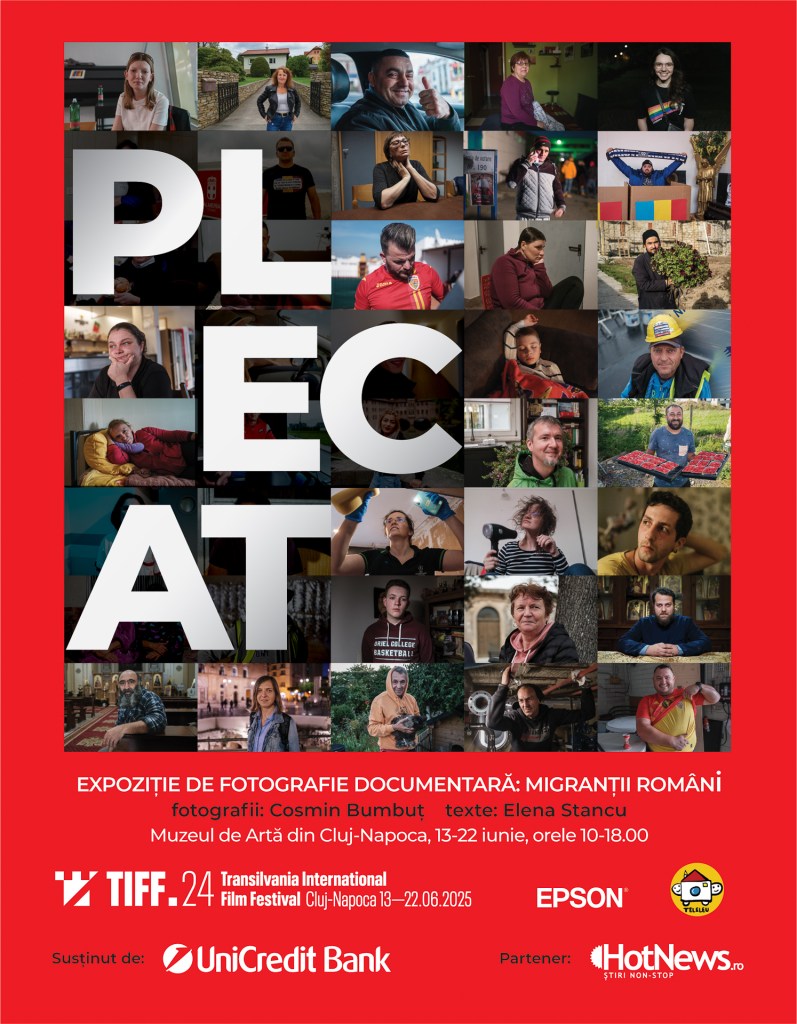
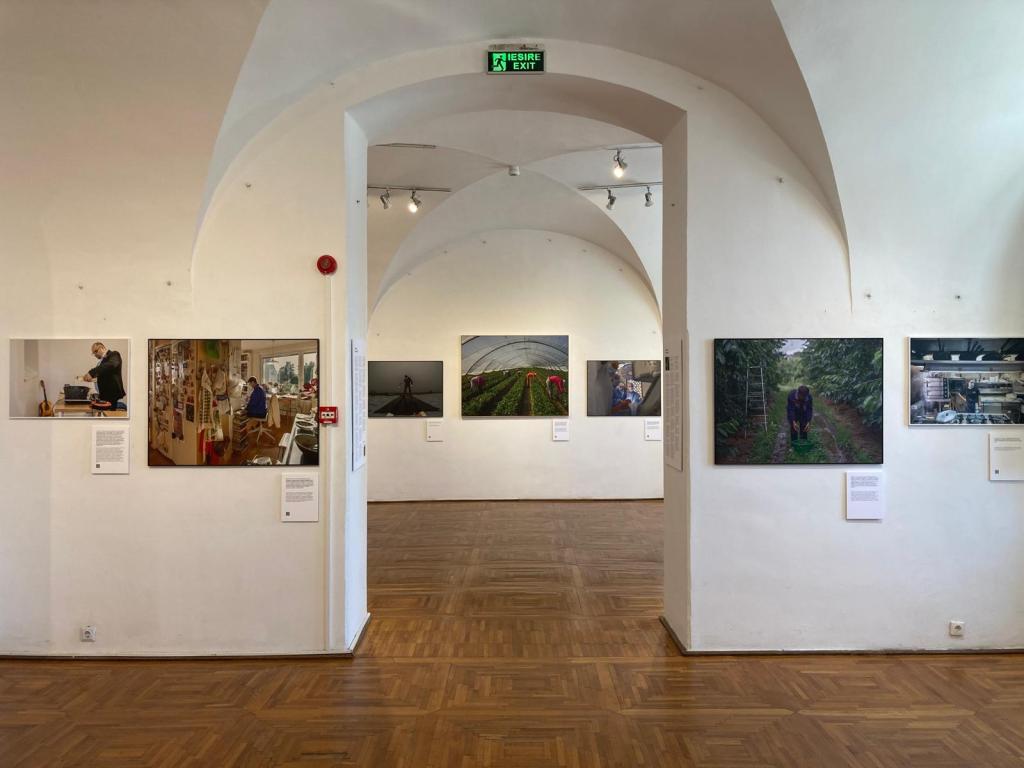
Our project on the Romanian Diaspora will be exhibited at the Art Museum in Cluj, between June 13 and 22, during the Transilvania International Film Festival (TIFF). The fact that a journalistic approach reaches a form of recognition that honors us-a sign that journalism can find its place in spaces of reflection, not just in the rush of the daily.
We have documented the lives of Romanians in the diaspora for six and a half years; From January 2019 until now we have traveled in 12 countries in Europe and published over 130 reports that address topics such as integration, European labor market, belonging, identity, trauma of migration, transnational families and children who raise without parents. Some of these reports have been published over time by Liberty, and the rest of Hotnews.
Our project – “departing” – follows what it means to live between the worlds and the way migration transforms not only individuals, but also the Romanian society.
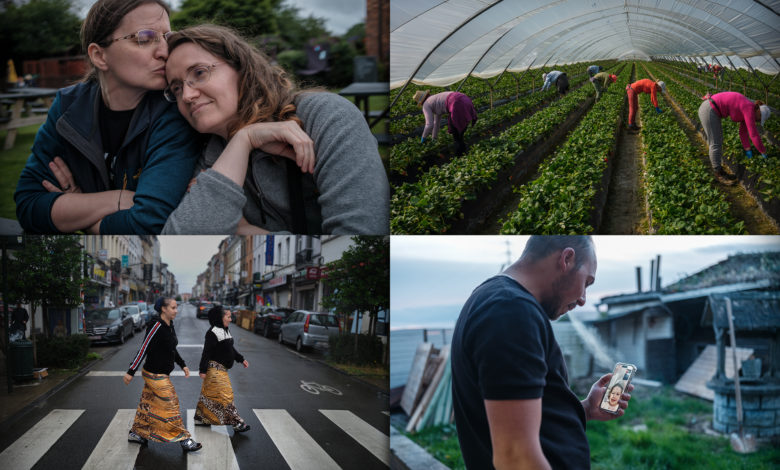
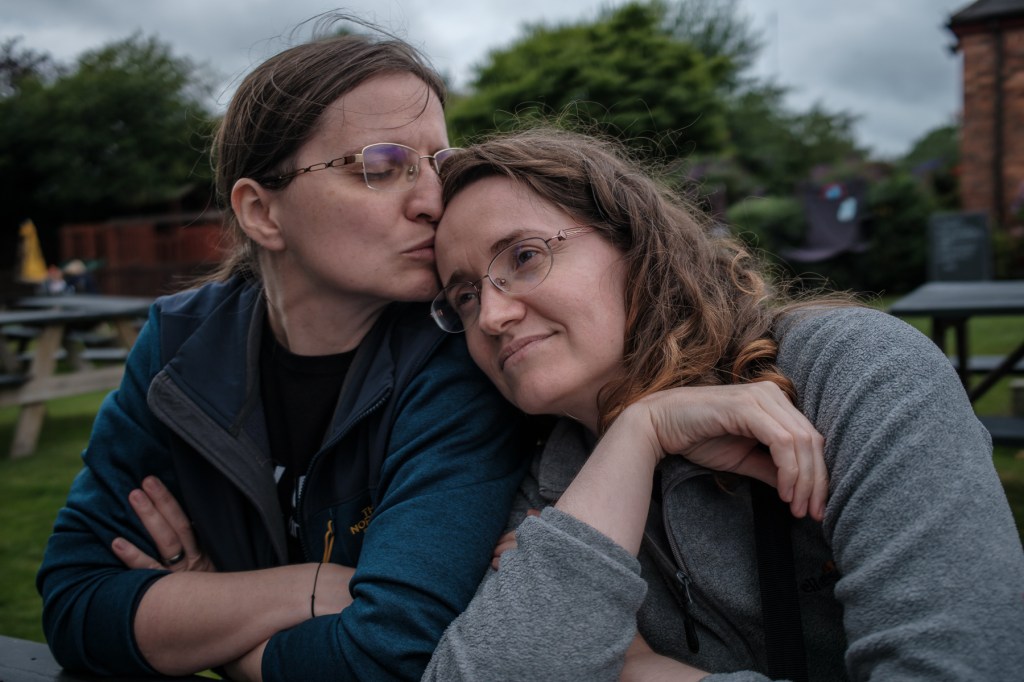
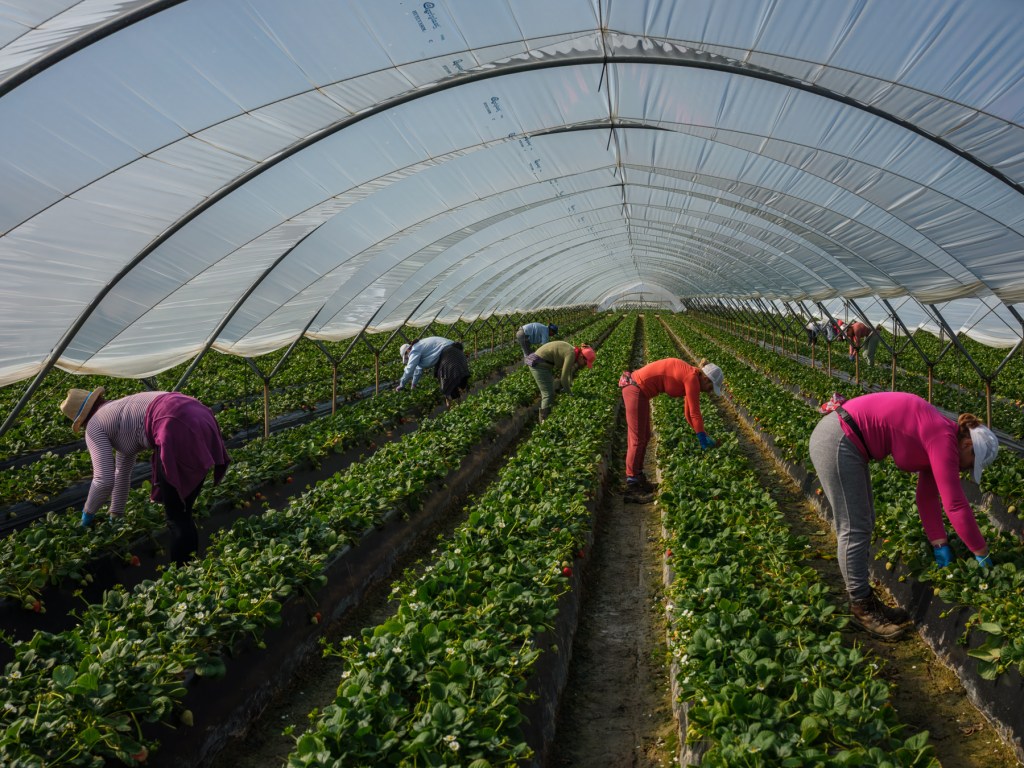
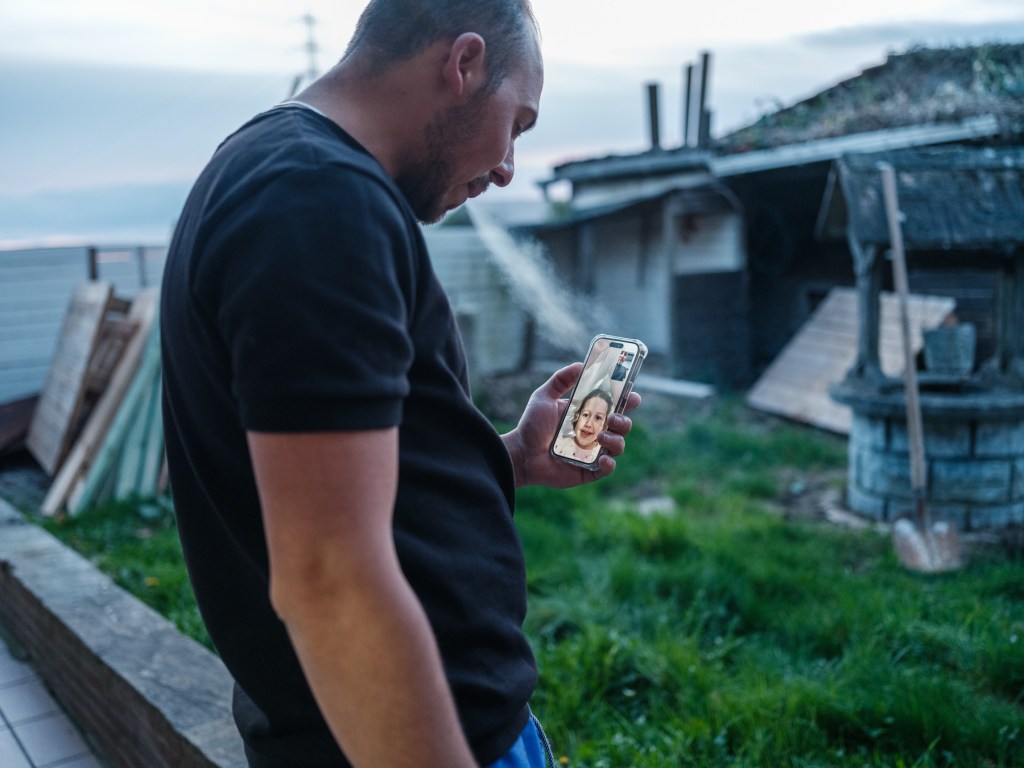
Ella Gligor, 40, and Crina Căliman, 38, moved from Romania to England in 2018, because they were discriminated against and their relationship was not recognized-Romania does not allow same-sex marriages. Ever since they came to England, they married, bought a house in installments and started renovating it. The photo was taken in the courtyard of their house in Tamworth, England, August 3, 2021The Romanian workers collect strawberries in a solarium in Palos from Frontra, Spain. None of the women will straighten their back before the ten pounds are filled with strawberries. Only then does the box get to the truck, where the chief of field charges the pallets. Women turn their backs only 15 times during a regular work day; On average, a worker collects 150 kilograms of strawberries a day. February 26, 2020Dorel Moise, 22, a Romanian who works under construction in Belgium, speaks on WhatsApp with his daughter, Alesia, 3 years old, who is waiting for him at home in Romania. Bellegem, Belgium, March 27, 2024
We were also “departed” in these years, far from friends and family-we live and travel in an author so that we can document this phenomenon directly in communities. We park in front of the houses where the Romanian migrants live or in the farms in which they work. We are there when they wake up, when they go to work, when they call their children on WhatsApp or sit for dinner. We live close to them, not as mere observers, but as witnesses present in their daily lives.
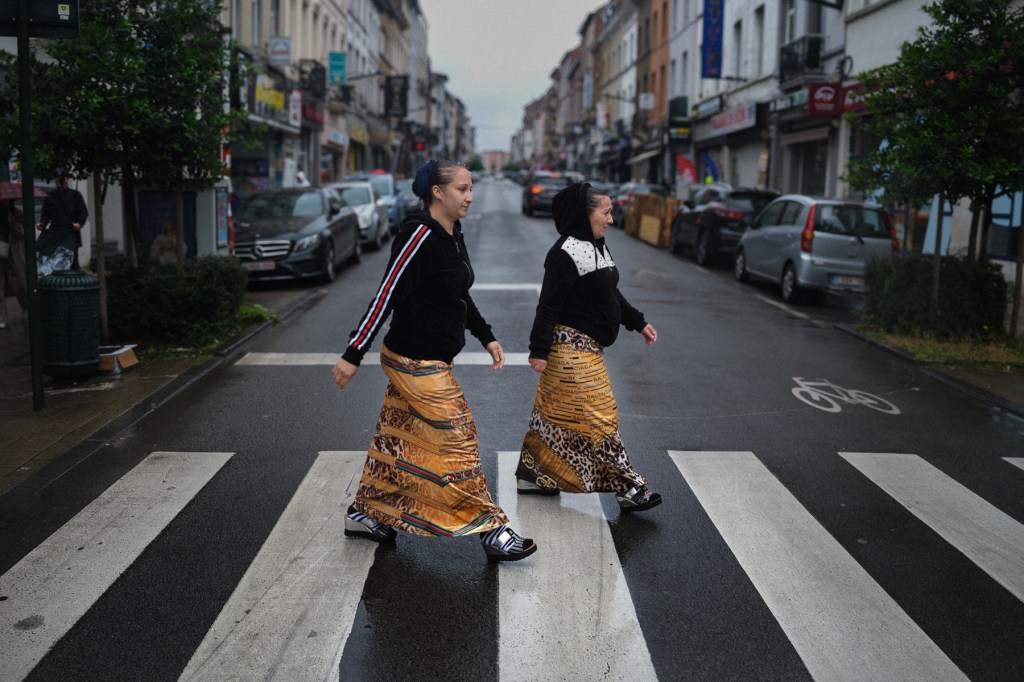
Cami and Gabriela take their children from school in the Molenbeek, Brussels neighborhood. They are part of a family of Caldări Roma from Mehedinți county, Romania, and did not have access to education due to racism. In Romania, the Roma are discriminated against and do not have real access to education, medical and social services, so many have to leave the country to be able to maintain their families. Belgium, June 18, 2024
This approach allows us to understand the experience of migration not only as a journalistic subject, but as a lived reality – physical, emotional and historical.
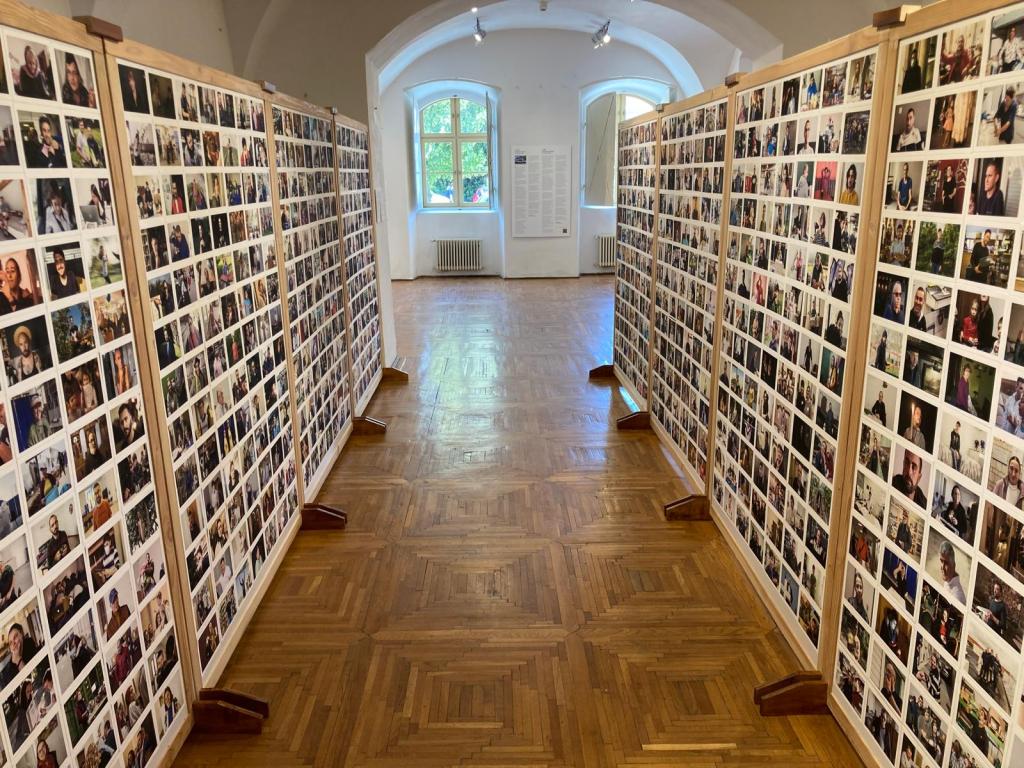
728 Romanians from the diaspora interviewed
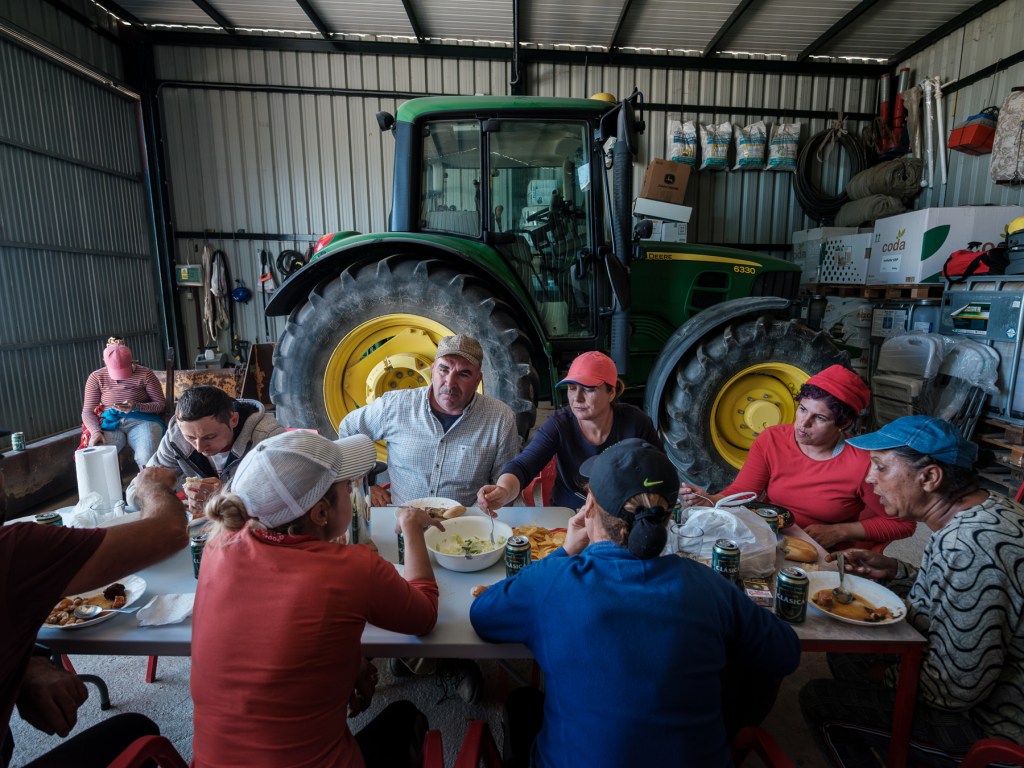
Party in the garage for agricultural machinery in a strawberry field where Romanian workers work: the Spanish owner brought fresh shrimps, and the Romanian workers bought small from the Romanian store. Palos from Frontra, Spain, Feb 11 2020
In these years I lived more the lives of the people I wrote and photographed than our lives. I met and interviewed 728 Romanians from the diaspora in the 12 countries in which we traveled. We know exactly the figure, because one of the elements of the exhibition will be an installation of 8 panels with the portraits of these people. There will be many other installations, photos and texts. It was difficult for us to work on this exhibition, because it is difficult to edit such a large amount of material.
People's portraits at the Cluj ExhibitionPhotos with Romanians in the Diaspora in the 12 countries where Teleleu traveled
We call it an exhibition, but what we invite you to look at and read is a chapter in our contemporary history, because the stories of Romanian migrants are our recent history.
Maria Buciuta, an 18-year-old Romanian in Portugal, is cleaning in a luxury home in the Algarve area. Maria made thrombophlebitis due to standing hours-14-15 hours daily to wash, rubbing baths, polishing terraces, beds and running from one house to another. August 7, 2020
Romanian migration is one of the most important contemporary social phenomena. Nearly 6 million Romanians live outside the borders, one fifth of Romania's workforce. In the early 2000s, the “strawberries” and “bodies” were the first big waves of migration. Today, the diaspora has been diversified: IT-you, researchers, construction workers, naval electricians, doctors, artists, musicians-people who are looking for a better future. Those who leave carry with them longing, hopes, anger, shame, ambition. Those who remain with them absence: children raised by grandparents, parents who die alone.
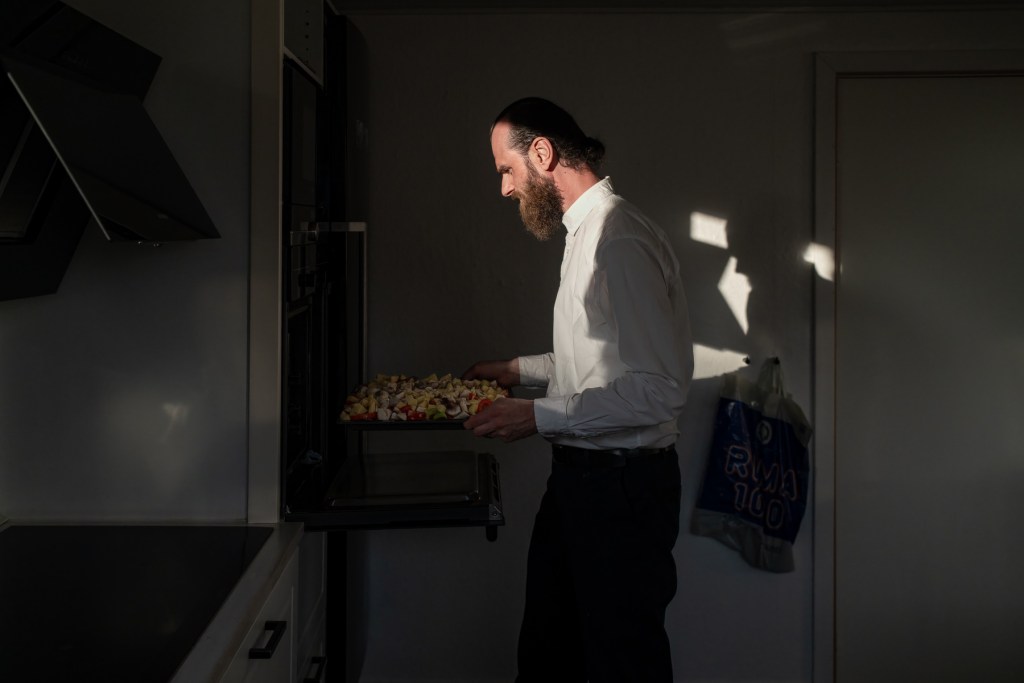
Gabriel Bodescu, 40, established for 12 years in Denmark, is the priest of the Romanian community in Skagen and works as a welding at a company that produces marine wind turbines. The photo was taken in the kitchen of his house in Fjellerad, Denmark, where he was preparing his dinner. May 20 2023
These are the stories about the Diaspora that are missing from the public conversation. When we talk about the votes of the departed Romanians, we do not look at their lives and needs. The elections of 2024 and 2025 brought the Romanian migrants to the forefront, and the society reacted with incarnation and polarized. It was spoken of “radicalization”, instead of talking about longing, poverty, abandonment, identity crises and migration traumas.
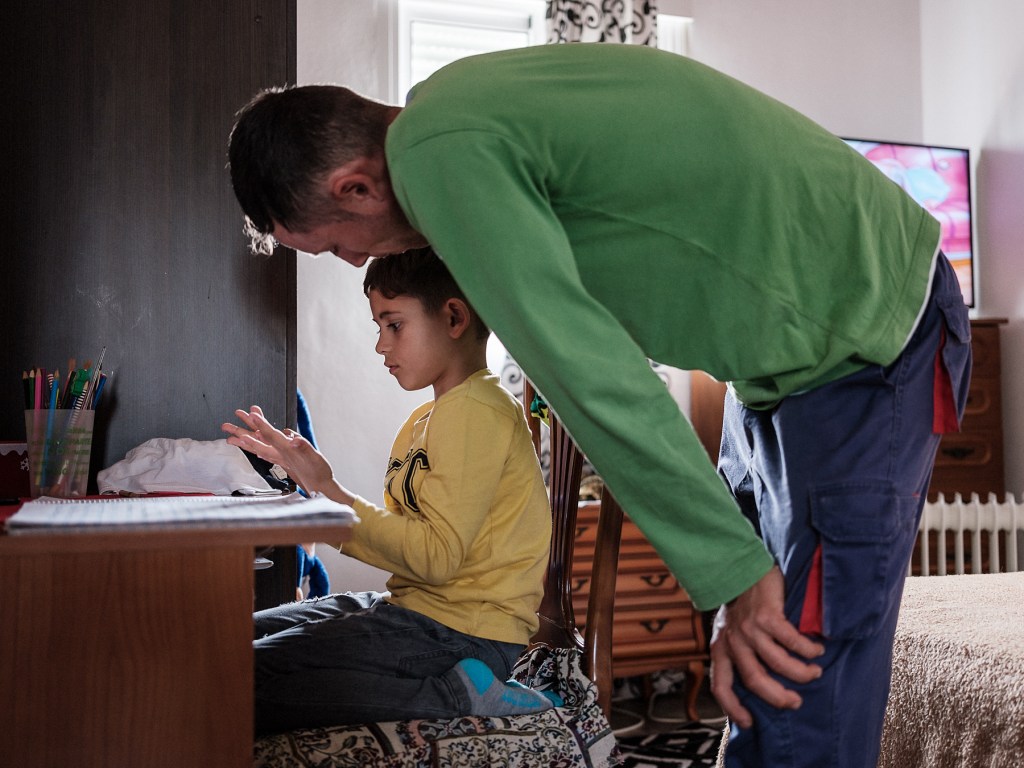
Adi, 34, Romanian worker, helps his son, Andrei, 6 years old, in Palos de la Frontra, Spain. Adi is the head of field (Enccargado) at a strawberry farm in Palos at Frontra and lives with their wife and son in a field on the outskirts of the city, in the house offered by the owner of the Spanish farm. He came to Spain without documents in 2005 and spent a few months sleeping in a Fiat Punto abandoned with three other young Romanians. He ate food stolen from supermarkets and, when he was left without clean clothes, stole socks and linen from shops. Adi worked without documents until a Spanish employer helped to obtain his documents. Palos from Frontra, Spain, Feb 12 2020
Millions of personal stories we don't know
There are millions of historians of Romanians who do not know, because we have never had the interest in recovering our recent history: the confusion of the 1990s, the poverty that mutilated families in the early 2000s, the first waves of migration in Spain and Italy, the first generation of children left alone at home, whose second generation are in Romania, In Romania in 2012, when the financial crisis felt strongly there, then they went to Germany, England and the Nordic countries after 2014, when the restrictions on the labor market imposed on Romania and Bulgaria were raised with the EU accession.
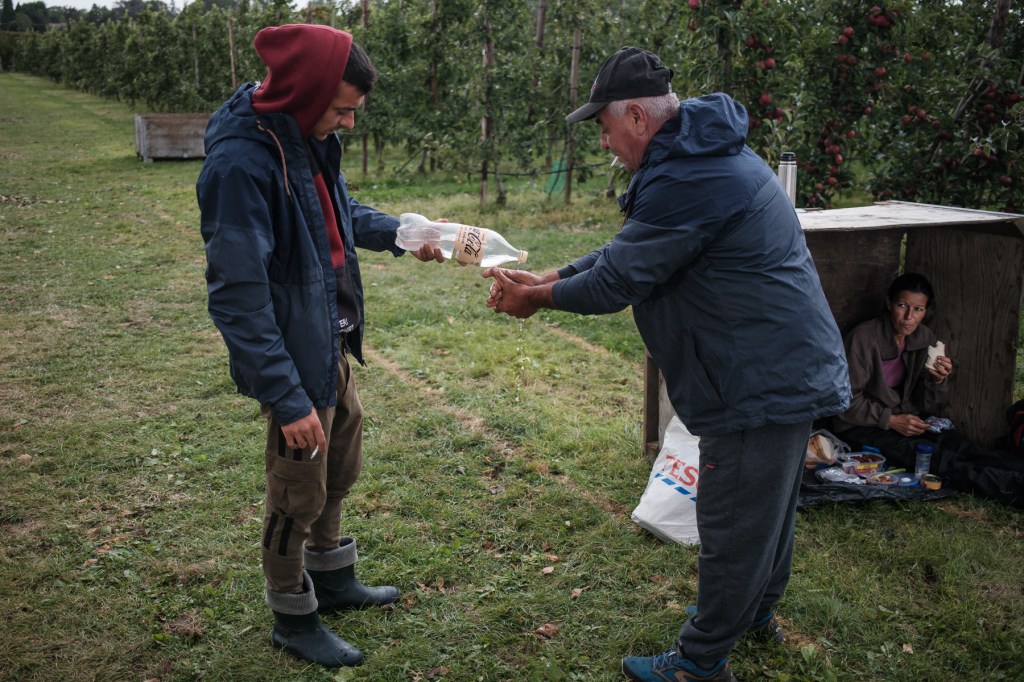
Alin Tălăban, 25 years old, helps his father, Relu, 48, to wash his hands in the lunch break at the Old Parsonage Farm in Cobham, Kent. Holded by rain in a basket for apples, his mother, Paula Tălăban, 48, eats a sandwich. Since 2015, the family of Romanians are working a few months every year on the same apple farm and lives in one of the 18 caravans where Romanian, Bulgarian, Poles and Ukrainian workers are housed. The Tălăbanii are from Dăbuleni, a village in the south of Romania famous for the watermelon. In Romania they cultivate melons and grow pigs, but their business is not registered, a common situation for Romanian farmers. Paula, Relu and Alin have no medical insurance with them in the country and will not receive a pension, and the first employment contract in their lives have signed it in England. September 28, 2021
The “Departing” project is a living archive of Romanian migration. It is a fragmentary chronicle of a deep transformation, still in progress, which redefines the connection between Romania and its citizens, departed or remaining. It is the largest documentary project on this phenomenon and the most personal I have ever worked on.
The stories of Romanians in the diaspora published by Hotnews can be read here.
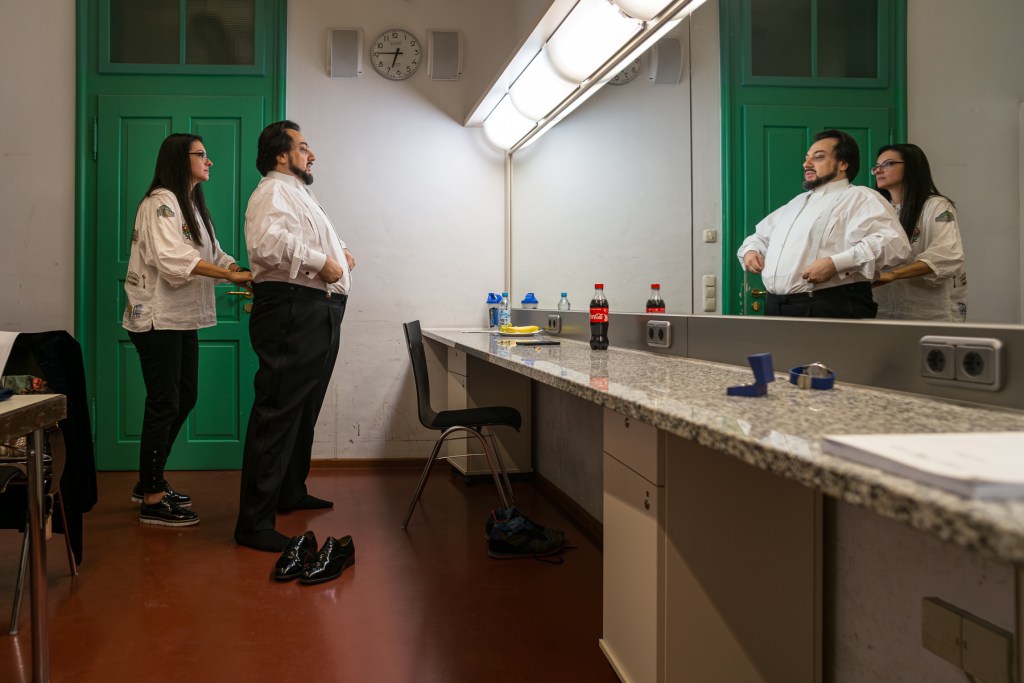
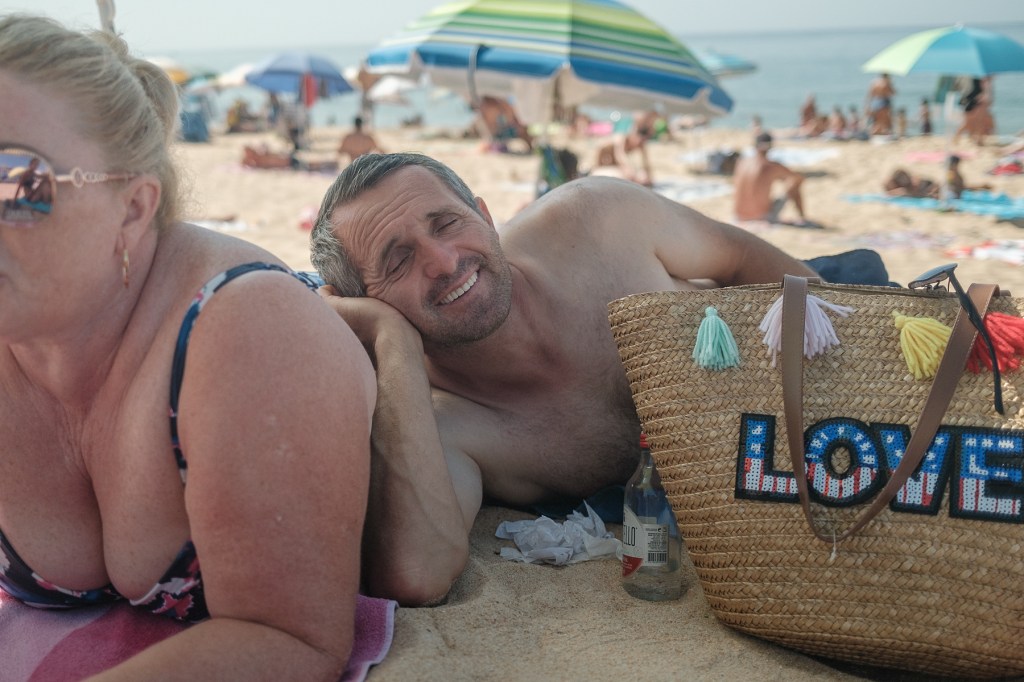
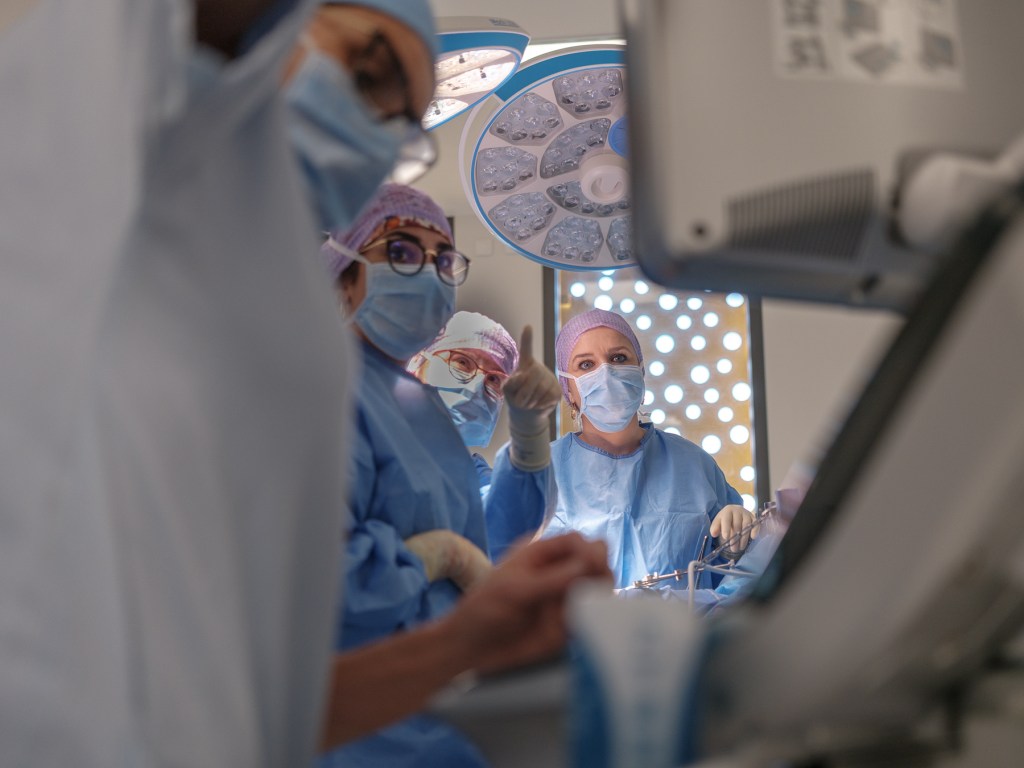
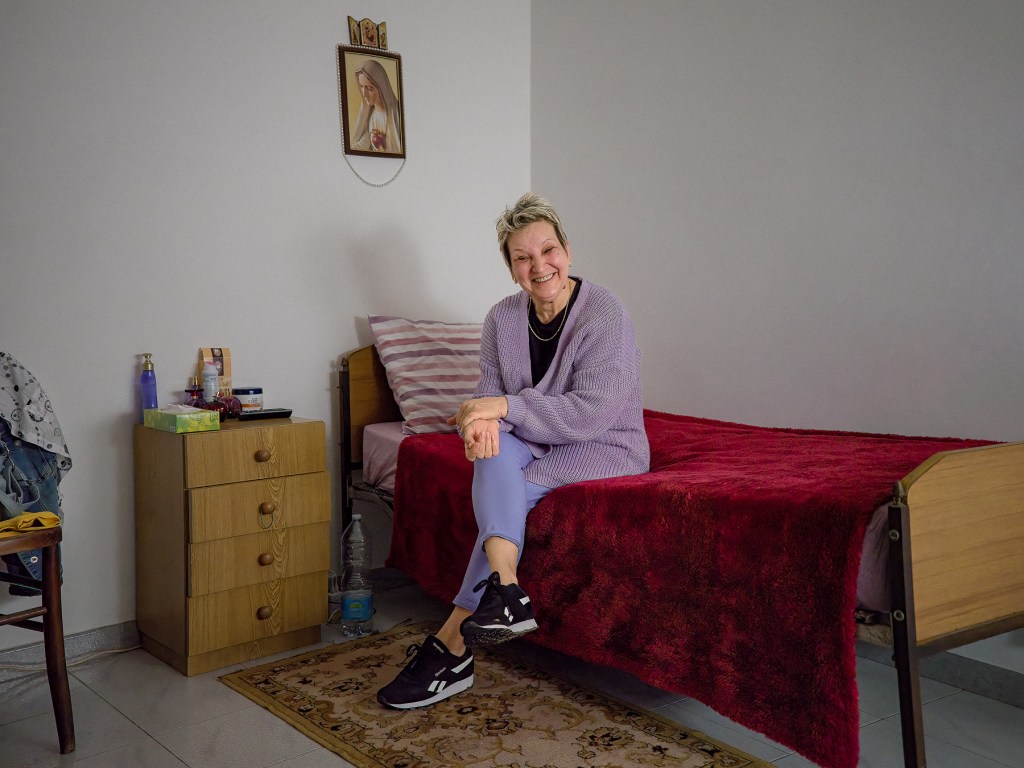
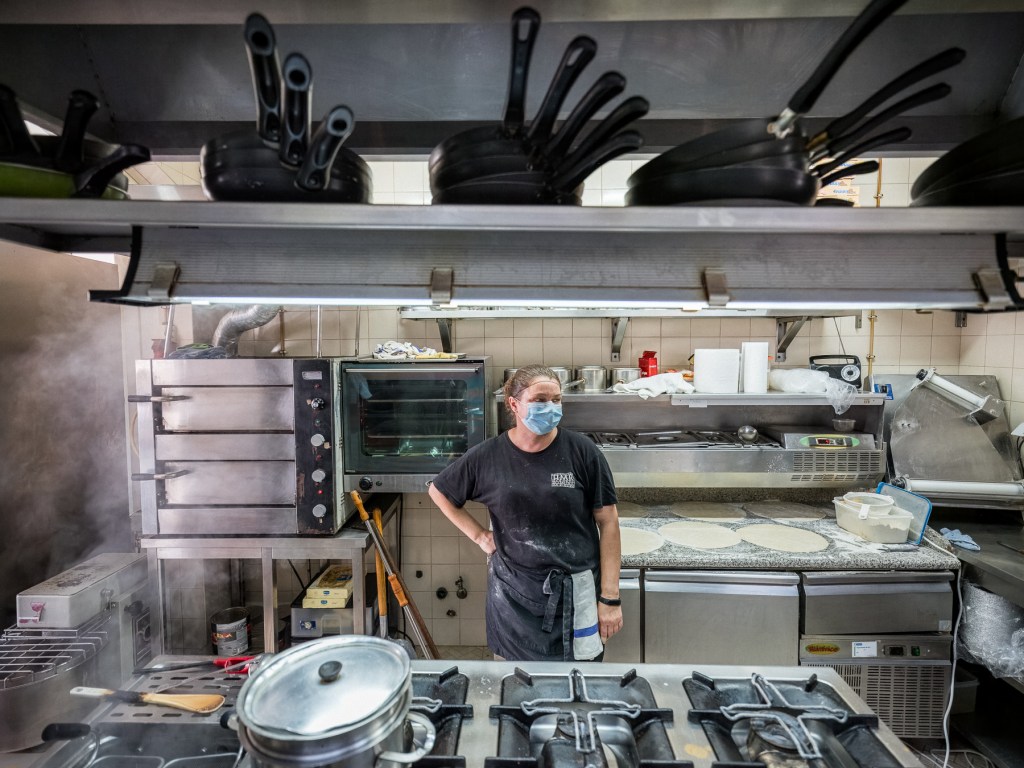
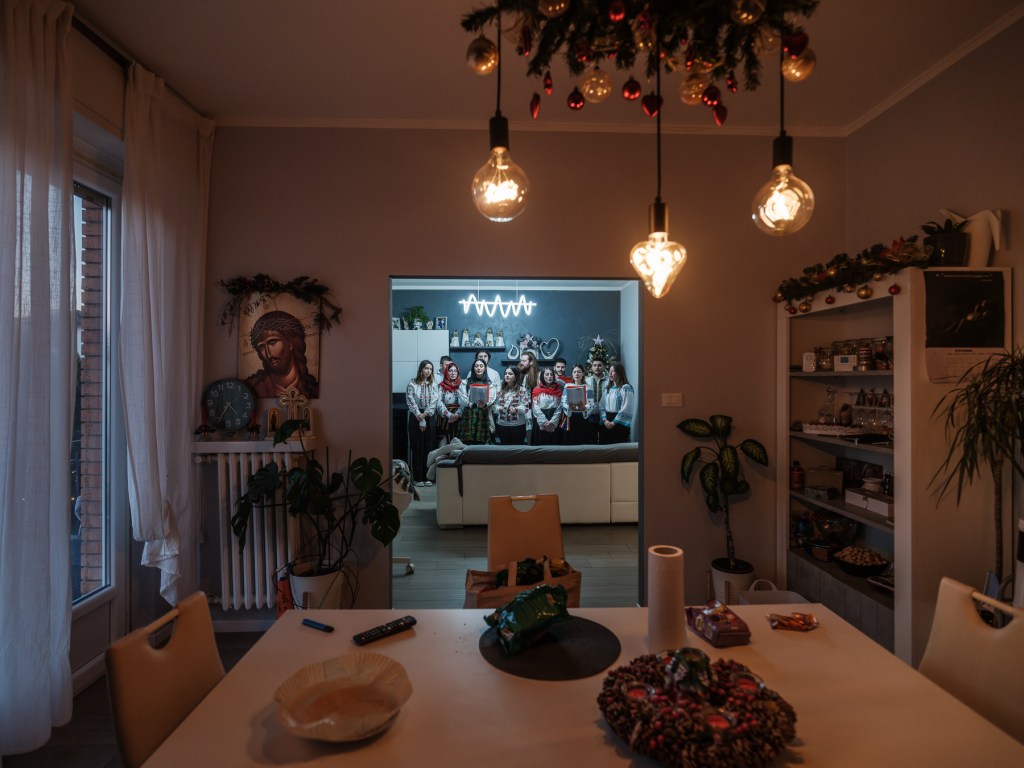
Florina helps her husband, the Romanian baritone George Petean, to prepare for a show at Prinzregentheater in Munich, Germany. October 13, 2019Maria, 48, and Mihai Buciuta, 43, went once to the beach in the summer of 2020, although they live near the ocean. Maria works from Monday to Sunday in cleaning in luxury residences in the Algarve region, Portugal, and Mihai works at a telecommunications company in Almancil. Quarteira, Portugal, August 9, 2020Olivia Sgarbură, 43, oncologist surgeon, in the operating block at the Regional Cancer Institute in Montpellier. 15 years ago, when he was a resident doctor, Olivia Sgarbura went in search of a place to learn more; Today he lives in France and is one of the important names in European oncological surgery. November 26, 2024Eugenia, 54, cares for elderly in Italy. The photo was taken in the house of a 94 -year -old from Leverano, Lecce province, in the room where Eugenia is staying. The Romanian left the country to escape from an abusive relationship-she was afraid that her husband would kill her. Italy, May 3, 2022Rocsana Oșan, 42, a Romanian immigrant from Lagos, Portugal, reopened her restaurant only for deliveries, after six weeks during the pandemic. April 29, 2020A group of young people carol at the house of a family of Romanians in Forlì. They are between 20 and 30 years old and were born or grew up in Italy, where one of the largest and oldest Romanian communities in the Diaspora. Their identity is modeled primarily by the Italian school and society, but they also want to keep elements of their Romanian identity. So, for Christmas, they go to carve in Romanian – even if they speak in Italian, who is, in reality, their native language. December 24, 2024
I’m Ashley Davis as an editor, I’m committed to upholding the highest standards of integrity and accuracy in every piece we publish. My work is driven by curiosity, a passion for truth, and a belief that journalism plays a crucial role in shaping public discourse. I strive to tell stories that not only inform but also inspire action and conversation.